
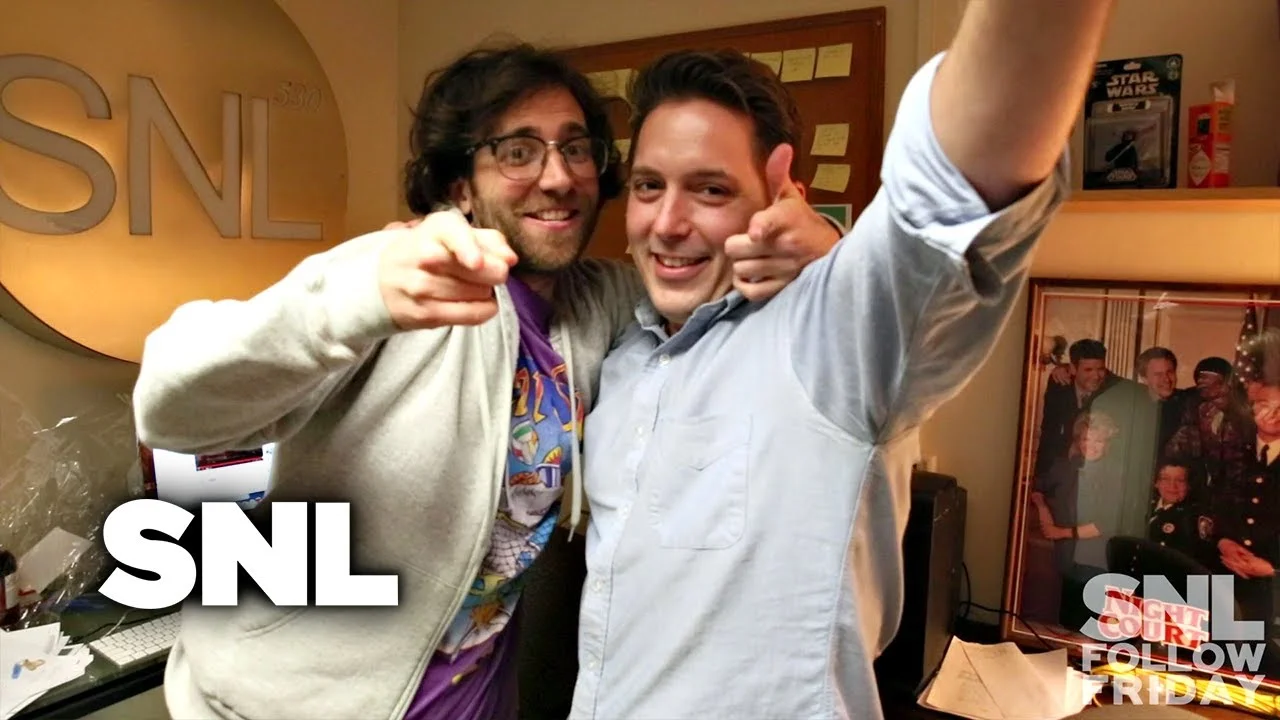
In Praise of SNL's Kyle Mooney and Beck Bennett

Kyle Mooney and Beck Bennett are the funniest, smartest comedians to be on Saturday Night Live in a long time. (At least, that's my humble and accurate opinion.) They both have a great ear for the ridiculous and a talent for satire that's not cruel. Here are some examples of their work.
Reality House
We've come to take it for granted, but, as Kyle and Beck's deadpan voice-overs and bogus one-on-ones with the camera make clear in this sketch, reality television is a ridiculous, boring genre. (I love the furniture-throwing at the end.)[embed]https://www.youtube.com/watch?v=rnEiMaqQL4I[/embed]
Cool (with Ryan Gosling)
I think my favorite part of this satire of Friday evening 90's network sitcoms?is Kyle Mooney's flat "Doug?" voice and the laughtrack. (Ryan Gosling is a great 3rd man.)[embed]https://www.youtube.com/watch?v=a6I9u3wjn-A[/embed]
March Madness (Ariana Grande)
This is one of those completely silly skits that just works because of the earnest stupidity of Kyle and Beck. My 6 year-old thinks it's hilarious, and I agree. (It doesn't hurt that Ariana Grande is one of those celebrity guests who knows how to play the straight man.) My son's?favorite line: "And we'll bring the FROGS!" My favorite line: "We'll probably just bring 'em."[embed]https://www.youtube.com/watch?v=Dm1xYZp2GXo[/embed]
Mr. Riot Films
Here's my question: is the man with the hardhat a plant, or did they actually ambush him?[embed]https://www.youtube.com/watch?v=6XIQBeqL7kM[/embed]
Kyle vs. Kanye
I think the self-involved and self important emotional tone is just?perfect.[embed]https://www.youtube.com/watch?v=Sgs81IOU0m4[/embed]
Comedy Club
The eyeroll and then the teary-eyes--it's so painful and so funny.[embed]https://www.youtube.com/watch?v=ZWMlr11pJow[/embed]
Baby CEO
Are his movements perfect, or what?[embed]https://www.youtube.com/watch?v=KxbG0WtNKNs[/embed]Love these guys.
Click?here‘to subscribe to updates from this blog.
(Old Testament Law on Friday, Saturday Night Live on Monday. Fox and hedgehog, remember....)
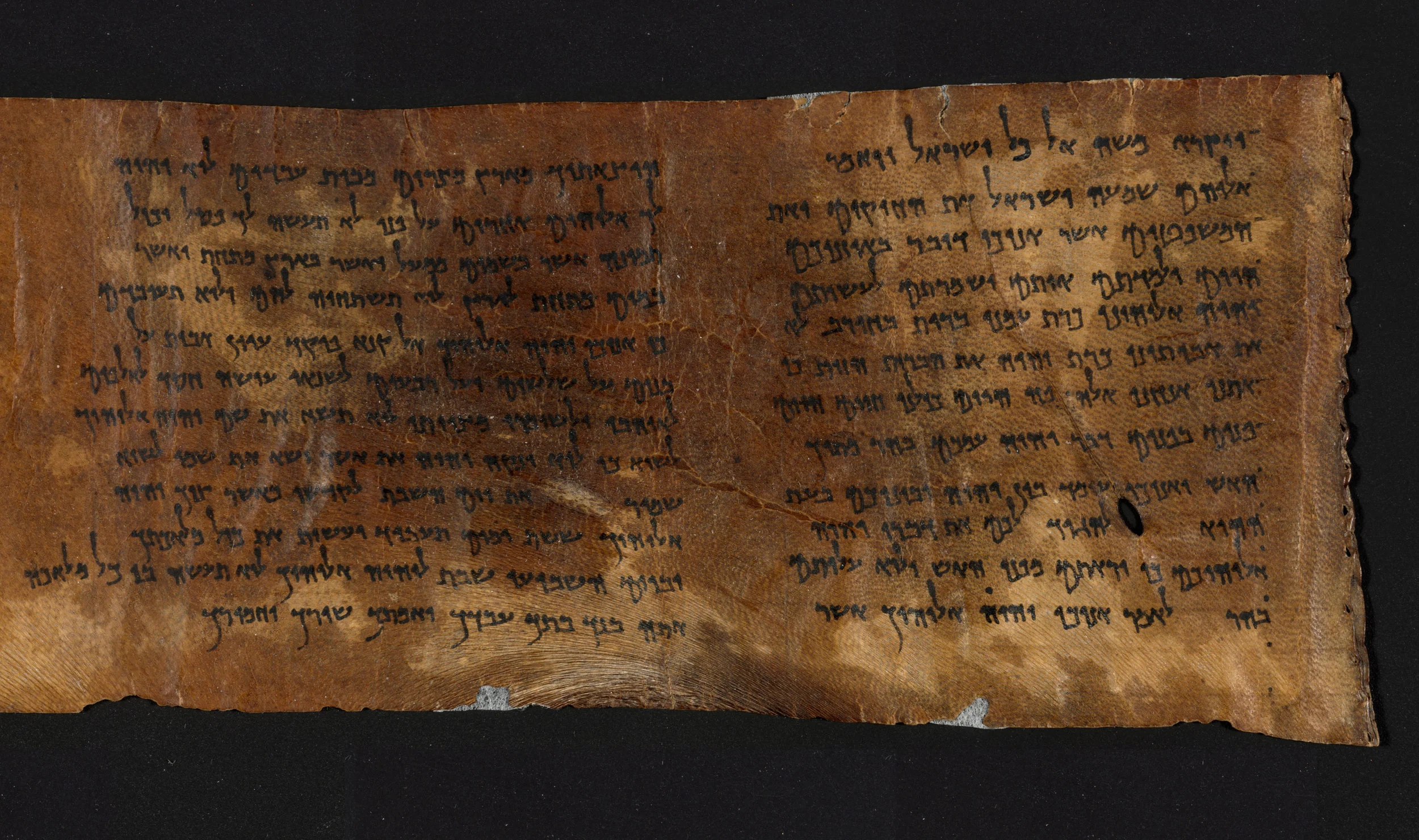
Does Old Testament Law Apply to Christians?

Does Old Testament law apply to Christians? A large portion of the first 5 books of the Bible (Genesis, Exodus, Leviticus, Numbers, and Deuteronomy) is dedicated to laws governing how?Israel was to live, eat, and worship. Should Christians follow those laws?
The Old Testament is Obsolete, Right?
I've heard and read something like the following argument countless times:No sane person thinks that there is any problem wearing clothes made of?different fabrics [Leviticus 19:19], nor would any sane person‘think capital punishment appropriate for a child who curses his parents [Leviticus 20:9]. Since we don't abide by these or many other Old Testament laws any more, isn't it clear that modern Christians shouldn't?abide by ANY Old Testament laws?Unfortunately it's not that simple. Here's the problem:The Old Testament, while containing some laws that no longer apply to Christians, also contains the Ten Commandments and other components of the ethical foundation of the teachings of Jesus. For example, Leviticus, the book everyone loves to ridicule, contains beautiful ethical teachings:Did you know that "Love your neighbor as yourself" comes from Leviticus? (Leviticus 19:18.)Rather than being obsolete, the Old Testament contains much that is more relevant than ever for the people of God. But, it also contains elements that no longer apply. Which is which? How do we know which parts of the Old Testament law we should follow, and which are no longer binding on God's people?
The Epic of Eden
Sandra Richter, Professor of Old Testament at Wheaton College, has an excellent book on the Old Testament called?The Epic of Eden: A Christian Entry into the Old Testament, which?I highly recommend to anyone interested in learning more about the Old Testament. In the epilogue to the book she includes some Frequently Asked Questions, one of which is?What Role Does the Law of Moses Play in the Christian's Life?? (pp. 225-229) I found her answer so helpful that I publish it below, with permission from her publisher. I've added my own remarks throughout.
What Role Does the Law of Moses Play in the Christian's Life?
Most everyone recognizes that simply abolishing the entire Mosaic law contradicts the New Testament (what do you do with the Ten Commandments?). Most equally recognize that imposing the law in its entirety on the Christian also contradicts the New Testament (what of God‘s instructions to Peter in Acts 10 to embrace unclean foods as clean?). So most have concluded that there must a middle-of-the-road position. The most enduring approach to defining this middle-of-the-road position has been the attempt to somehow delineate the law according to moral? versus civil? (or ethical? versus ritual?) categories. The claim is typically that the moral/ethical features of the law are still in force for the Christian, but the civil/ritual features are obsolete and can be put safely aside. For example, some would claim that the Ten Commandments can be cataloged as moral? and are therefore still binding, but the law requiring tassels on the four corners of a person‘s garment is to be catalogued as civil/ritual? and is not (Num 15:38-39). The problem with this sort of delineation, however, is that in Israel‘s world, there was no distinction between the civil/ritual and moral/ethical aspects of the law. All of these laws were deemed as the imperatives of God‘s divine will. Moreover, to honor your father and your mother? (Exodus 20:12) was both a moral expectation and the civil requirement of a patriarchal society to provide for the elderly of one‘s clan. And proper worship in a theocracy was an expression of both a moral/ethical and civil/ritual expectation. So what to do??[Emphasis mine. One of the mistakes we make in reading the Bible is to put?our own categories on top of it. As Professor Richter points out, unlike us the ancient Israelites did not divide the world into the sacred and the secular, the religious and the legal: it was all one. --AF] ?In the end, most assume that the Mosaic law is generally annulled as regards the Christian but hold onto those aspects of the law that are either reiterated by Christ (a good idea) or those that generally just seem right? (obviously not a satisfactory response to the question). [We see this all the time: people decide what's right beforehand and bring that decision to the Bible. Here's the problem, though--Where and how do we decide what's right? What are the sources we use to decide what's right? Aren't we in danger of just blessing whatever feels good to us, or whatever the dominant culture tells us is right? The reason for the Mosaic Law in the first place was to give Israel a way of knowing right and wrong that was distinct from the surrounding pagan Canaanite cultures. --AF] Although I cannot offer a complete solution to the conundrum, let me at least contribute to an answer.First, it is important to realize that as covenantal administrations change, so do the stipulations of those covenants. So, yes, the rules can and do change. And they change according to the will of the suzerain. [The suzerain is the king making the covenant, as she explains earlier in the book. For the Israelites, their king was the Lord. --AF] Hence, the first question we want to ask is, how does Jesus (our suzerain and mediator) change the rules with the new covenant?? We find the answer to that question as we read through the Gospels. Here Jesus regularly calls his audience back to the intent of the Mosaic law. Was the sabbath created for man, or man for the sabbath (Mt 12:10)?? Is adultery the problem or unbridled lust (Mt 7:27)?? Is it more important that a person keep themselves ritually clean, or serve a neighbor in need (Lk 10:30-37)?? So one thing Jesus tells his audience is to look beyond a legalistic adherence to particulars and see the goal of the law. This is clearly articulated in interactions like Matthew 22:36-40:
?Teacher, which is the great commandment in the Law??? And he said to him, ?You shall love the Lord your God with all your heart, and with all your soul, and with all your mind.? This is the great and foremost commandment. The second is like it, You shall love your neighbor as yourself.? On these two commandments depends the whole Law and the Prophets.
Galatians 5:14 says the same: For the whole Law is fulfilled in one word, in the statement, You shall love your neighbor as yourself.? Thus, whereas the detailed message of the Mosaic law embodied the love of neighbor and God in concrete, time- and culture-bound expressions, Jesus finds a way to articulate the transcultural and all-embracing message of that same law to a new audience. [Emphasis mine. I think this is a perceptive analysis of the ethical teaching of Jesus. --AF] Moreover, he makes it clear that this message is still binding upon us new covenant adherents as well.We also read that Jesus redefines the major institutions of Israel‘s theocracy: the temple and the theocratic government. The temple is first re-defined as Jesus?own body, and then as the individual believer and the church (Jn 2:19-21; Eph 2:19-22). Jesus is identified as the final sacrifice (Heb 9:24-26) and as the church‘s new high priest (Heb 2:17). Thus, with the new covenant we learn that Israel‘s temple cultus is obsolete. [A "cultus" is a system of worship. --AF] And if this theocratic institution is obsolete, I believe it is safe to conclude that the complex processes dictated by the Mosaic law that directed the function of this institution (e.g. the design and d?cor of the building, the cleanness of priest and worshipper, sacrifice, mediation and the calendar of cultic celebration) are now obsolete as well. This means that in the new covenant the specific Mosaic regulations regarding these issues are annulled: our buildings of worship are no longer required to bring sacrifice, the laws of clean and unclean? are abrogated, the mediation of human priests is unnecessary, and the holidays of Israel‘s cult have become a mere shadow of what is to come? (Col 2:16-17). [Emphasis mine. Did you get that? Because the Temple is obsolete for Christians (the entire book of Hebrews is essentially about this topic), then it follows that all the Old Testament laws pertaining to Temple worship are also obsolete. --AF]And what of Israel‘s theocratic government?? Keep clearly in your mind that Israel was a nation that was directly ruled by God. Yahweh was enthroned in the temple in Jerusalem, between the cherubim,? and carried out his ordinances by means of his officers, the prophet, the priest and king. Israel was a political entity with national territory. Its citizenry were, exclusively, the people of God. Foreign oppression, drought and famine were God‘s communiqu‘s that his people had somehow broken covenant; national prosperity was the sign that they had kept covenant. Thus the nation of Israel could justly go to war in the name of Yahweh, slaying Ammonites, Moabites and Edomites to defend the national boundaries of God‘s kingdom. But Jesus makes it clear that his only throne will be in heaven (Mk 16:19; Heb 8:1; etc.). And as we‘ve seen, the new citizenry of his kingdom will come from every tongue, tribe and nation. As opposed to the land of Canaan being the Promised Land, now all of the recreated earth is. Thus, in the new covenant there is no longer any single nation that can lay claim to being the people of God? nor any single piece of real estate that is promised to them.[Emphasis mine. This is HUGE. Whereas before Jesus you had to be a member of Israel to be part of the people of God, now the church--the new Israel--is open to people of all ages, nations, and races. --AF] There are new officers for this new kingdom too. Even a cursory glance at Ephesians 4:11, 1 Corinthians 12:28 or 1 Timothy 3 lets us know that apostles, prophets, evangelists, pastors, deacons and teachers have replaced the prophet, priest and king of the Mosaic covenant. The only title that survives into the new covenant is that of prophet,? but even this office is substantially transformed. Thus the very literal political realities of Israel‘s theocracy are abrogated by the new covenant, and I believe we can safely say that the complex list of laws and regulations that governed the theocracy are abrogated as well. [Update: This is why capital punishments for crimes such as blasphemy and sorcery, etc., no longer apply: those rules were part of the Old Covenant theocracy. The offenses‘themselves are still sinful, but now that we live under the New Covenant of grace and no longer under the Israelite theocracy, the way the people of God deal with those offenses has changed. --AF]?Then, of course, there are those aspects of the Mosaic law that the writers of the New Testament specifically address as being changed or terminated. A few examples would be the necessity of circumcision (1 Cor 7:19), the regulations of kashrut (Acts 10:15), the rabbinic restrictions regarding the sabbath (Mt 12:1-9) and even divorce (Mt 19:3-9).In sum, I think we can identify at least three categories of Mosaic law which, in their specific expectations, no longer apply to the Christian: those involving the regulations of Israel‘s government, those involving the regulation of Israel‘s temple, and those laws that the New Testament specifically repeals or changes. I would still argue that the values that shaped these regulations express the character of God and therefore must be attended to by the Christian, but the specifics of their application are no longer our responsibility. Thus my contribution to the conundrum named above is that rather than attempting to delineate the law of Moses based on categories foreign to that law itself (?more/ethical? and civil/ritual?), perhaps we should address the question through a lens that is more native to both Old and New Testaments?Jesus? redefinition of certain major institutions of the Mosaic covenant. And for all the Mosaic law, be it superseded or not, we need to recognize that we can (and must) still learn a great deal about the character of God through these laws, even if we can no longer directly apply them to ourselves in this new covenant. [Emphasis mine. Rather than being irrelevant to the church today, even those Old Testament laws that have been abrogated by the New Covenant have much to teach us about the Lord. --AF] So rather than thinking in terms of the Mosaic law as being obsolete except for what Jesus maintains (as has been the predominant view), perhaps we should begin to thing in terms of the law being in force except for what Jesus repeals.
Taken from The Epic of Eden?by Sandra L. Richter. Copyright (c) 2008 by Sandra L. Richter. Used by permission of InterVarsity Press, P.O. Box 1400, Downers Grove, IL 60515-1426. www.ivpress.com.
Click?here‘to subscribe to updates from this blog.

How to Remember Names

"How do you remember names?" I'm?naturally good with names, but I also work at it. Even if you're one of those people who says, "I'm just terrible with names!" it's possible to get better. Here?are 4 steps I take after meeting someone that help me remember names.
1. Repeat the Name Multiple Times Right Away
When I meet someone, I focus on his or her name, and then repeat it, and then often repeat it again.
"Hi, I'm Andrew.""I'm John Doe.""John Doe? Nice to meet you."Blah, blah, blah. Then, at the end of the conversation:"It's John Doe, right? [Pointing to myself:] Andrew. Nice to meet you."
Repeat the name several times, and then repeat it again at the end of the conversation.
2. Write the Name Down Right ASAP (With Context Clues)
I've written before about how I carry a small pocket notebook and bullet pen?with me all the time.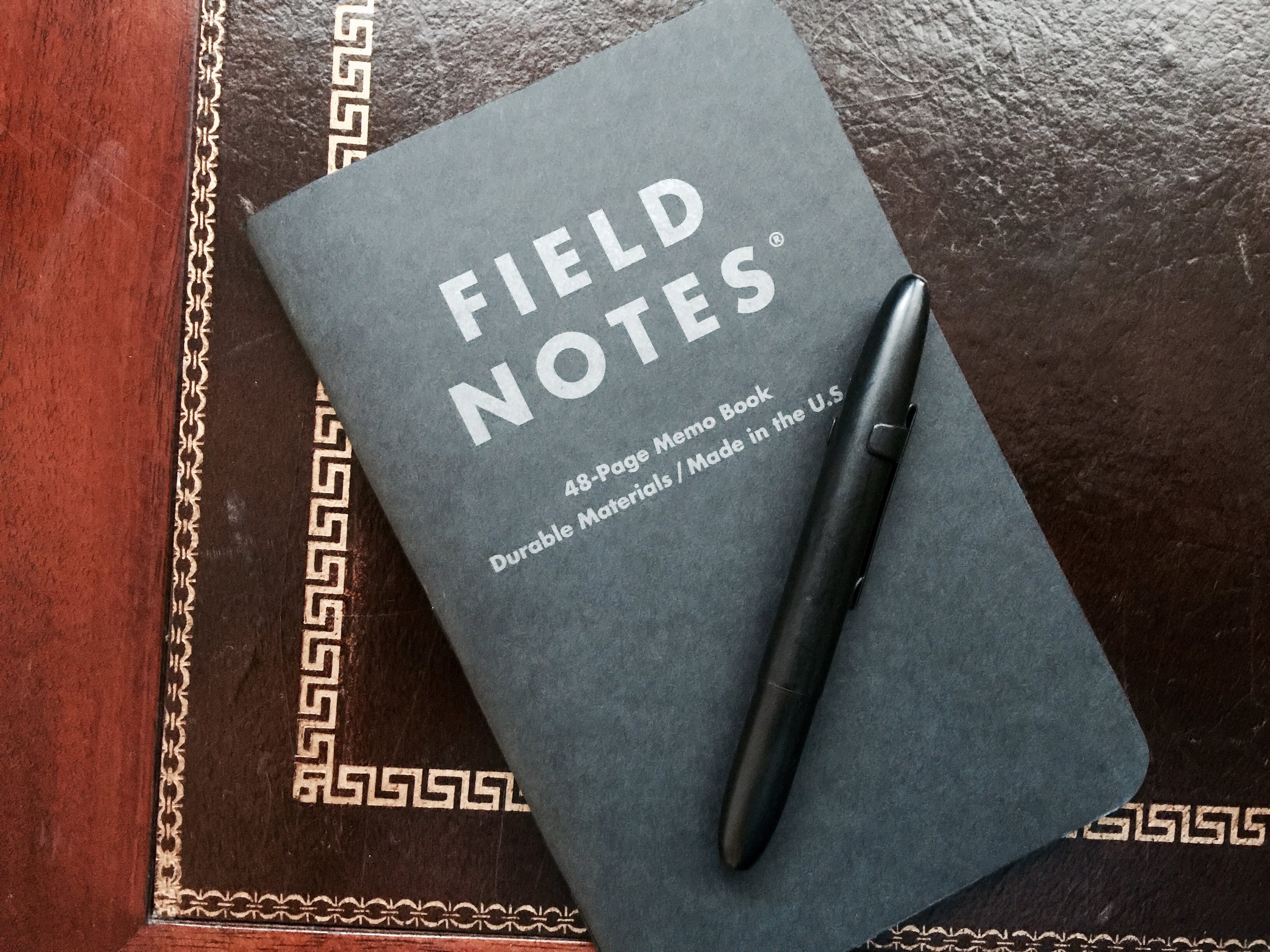 When I meet folks, I try to write down their names and relevant details ASAP. For example, after meeting John Doe, I might write:
John Doe. Likes elephants. Went to Notre Dame. Kid in 1st grade.
The more context, the better. The hardest names to remember are the names with no context. When I meet a group of people all at once, their names--and faces--blur in my memory.
3. Use Facebook as a Face Book
I dislike Facebook, but the one reason I haven't yet deleted my account is because I use it to match faces with names. ASAP after meeting people for the first time, I'll use Facebook to help me connect names and faces.
4. Be Bold (and Unapologetic)
I'm at the point now that I don't feel badly if I don't remember someone's name. I'll take a risk and try to call someone by what I think is his name, but if I'm wrong, I'll just say, "I'm sorry--I don't remember your name."It's like removing a band-aid--it's best to rip it right off. Then, I start at step #1 and repeat.
!["3 Words To Transform Any Relationship" [VIDEO]](https://images.squarespace-cdn.com/content/v1/5d70f59aefca59000162e4e6/1568657605350-JKAP1GHVWT1UDZN0EDS6/image-asset.png)
"3 Words To Transform Any Relationship" [VIDEO]

I was interviewed on the front steps of my church a few weeks ago by Jane McGarry of Good Morning Texas, and the interview aired this morning on WFAA Channel 8 (ABC) in Dallas. We did the interview in one take, and the good folks at GMT aired it in its entirety. I'm grateful for the opportunity to share a message I really believe in: 3 words that can transform ANY relationship. [Click the link below to see the 3 minute video.]http://www.wfaa.com/entertainment/television/programs/good-morning-texas/soulful-stoop-munger-place-churchs-rev-andrew-forrest/224681060
Click?here‘to subscribe.
New Plans for This Blog

Since I started this blog on New Year's Day?2014, I've been asking myself these questions: "Who am I writing?for? What am I trying to achieve?" I've read the experts and I know that I'm supposed to have a specific topical focus and a specific audience for this blog. Here's what I've decided.
My New Purpose for this Blog
I've decided that I'm going to be writing for one reason only: to learn how to write, and on deadline. Ideas aren't my problem--I have plenty of ideas--my problem is consistently applying the seat of my pants to the seat of my chair. My problem is the discipline?of writing.I want to learn the discipline of writing in the same way that I've learned the discipline of preaching. I preach about 46 original sermons a year. Preaching a few good sermons is relatively easy; what's very difficult is to preach week in and week out, to preach when you've had a week of funerals, to preach when you're tired, to preach when you feel as if you've already said everything interesting about Christmas Eve, to preach when you feel as if you aren't prepared--that's what's difficult, and it's that discipline that I've been learning when it comes to preaching. It's‘that discipline I need when it comes to writing.
My New Schedule
I will publish a new post at 5:00 AM 3 times a week: Monday, Wednesday, and Friday. After I keep up that pace for a month, then I'll see about publishing more frequently.
The Fox and the Hedgehog
The Philosopher Isaiah Berlin, drawing?on?a line from the Ancient Greek poet Achilocus, wrote a famous essay in 1953 entitled "The Hedgehog and the Fox." The basic idea is that the fox knows many things, but the hedgehog knows one big thing. (Berlin's essay applies this formula to Tolstoy (fox) and Dostoevsky (hedgehog).) Foxes have a variety of interests; hedgehogs have one stubborn idea.
My New Topical Focus: Fox and Hedgehog
I'm going to follow my interest wherever it takes me (like a fox) while always writing in the service of The One Big Thing (like a hedgehog).What's that One Big Thing? You'll have to read to find out.
Click?here‘to subscribe.

I'm Hiring - Come Work With Me!

Want to work with me? I'm?hiring an executive assistant. See details below.
Job Description
I'm looking for an executive assistant who will protect my time and give me the space to do the work that?God created me to do.Location:??Munger Place Church, Dallas, TXEssential duties?include the following, plus other duties as required or assigned:
- Calendar Management?(pastor and church): Maintain pastor‘s and church calendar, responding to all meeting requests, gathering relevant background materials. Confirm all appointments.
- Email/Voicemail Management?(pastor and main church account): Open and screen incoming e-mail and listen to voicemail, respond on pastor‘s behalf when possible, and forward to others when appropriate.
- Errands:?Run errands in own vehicle as needed/requested. This will include routinely picking up mail and copies from Highland Park UMC multiple times weekly.
- Pastoral Office Management:? Provide administrative services such as preparing correspondence and reports for pastor, processing bills for payment, receiving and directing visitors, and procuring supplies for office.
- Organization:? Organize, maintain and revamp as necessary church filing systems; maintain both hard and soft copies of marriage, baptism and other important records.
- Meetings:?Assist pastor in preparing for meetings and events by providing agendas, support and background information. Attend designated meetings (with or in place of pastor), taking notes and minutes of relevant discussions, and as appropriate, interacting in ways that solve and prevent problems. Keep track of next actions as agreed in meetings, and follow up with others to ensure these items are accomplished.
- Church Activities:? Assist as needed in church activities.
- Other:
- Assist building services in keeping the church buildings uncluttered, organized, neat and orderly, bringing problems to attention of building technician.
- Be proactive within prescribed limits in foreseeing and resolving problems, as well as conducting business in ways that avoid issues.
Working Hours:??Usual hours will be Monday-Thursday 8:30-5, Friday 8:30-noon; however, these hours may be revised as needed when attendance is needed at church activities or events.We Require?a committed Christian who is comfortable working in a United Methodist Church environment, with the following qualifications:
- At least 3?years of responsible office experience required
- High school diploma required, college preferred
- Must be a self-starter who is responsive and has a high level of initiative and follow-through, who can anticipate needs and efficiently get things done, as well as a desire for constant improvement in performance and efficiency.
- Excellent oral and written communication and listening skills, as well as good spelling, grammar, punctuation abilities.
- Highly organized and detail-oriented, capable of learning and using David Allen's GTD (Getting Things Done) system
- Excellent interpersonal and relational skills, including the ability to deal cordially and efficiently with others without being pulled into any issues or complaints they present.
- Professional attitude, appearance and demeanor, maintaining grace under pressure.
- High degree of discretion with confidential information.
- Excellent computer proficiency with MS Office Suite, email, and ability to learn and use Arena church database
- Ability to juggle multiple tasks and shift priorities as necessary, while maintaining a positive, can-do spirit.
- Capable of functioning both independently and as part of a team.
- Good driving record, current driver's license and own vehicle, for running errands
- Physical abilities to see, hear, speak, sit, stand, walk, lift/carry up to 10 lbs., fine motor skills and ability to move about as necessary.
We provide?competitive pay and full benefit package, generous holiday schedule, and a fun, supportive and collaborative work environment!TO APPLY, please email the following to?jobs@hpumc.org,‘specifying Exec.Asst. in subject line:
- Resume & cover letter/email
- Salary requirement
- Your religious/church affiliation (HPUMC or Munger Place membership not required)
No calls, please.

A Framework for Understanding the Bible

I'll be the first to admit that the Bible is a difficult book. One of the reasons it's difficult is that it's not really even?one book, but rather a collection of books. (That's what "bible" actually means: a?collection of books.) Over and over again people will say to me, "I'd like to read the Bible, but I just don't understand it." I hope the following simple framework helps you get a little more clarity and understanding.
All of History in?3 Acts
The Bible tells the story of the great drama of History in 3 acts, with a prologue at the beginning and an epilogue at the end.
Prologue
Subject: Beginnings. Adam to Abraham. The Prologue tells us why the world is the way it is. After a beautiful beginning ("And there was light....") the story quickly becomes a story of blood and betrayal: Cain kills Abel, and we've been killing our brothers ever since.Scripture: Genesis 1-11
Act 1
Subject: Israel. The Lord's plan to save all of humanity begins with one man--Abraham--and it culminates in one of Abraham's descendant's: Jesus of Nazareth. Act 1 is about God's chosen people Israel, and Israel's slavery, exodus, kingdom, exile, and return.Scripture: Genesis 12-Malachi
Act 2
Subject: Jesus. Act 2 is all about Jesus, from his birth to his death to his Resurrection.Scripture: Matthew, Mark, Luke, and John
Act 3
Subject: The Church. Act 3 is about how the church is God's means to redeem the world. It begins with a small group of disciples in Jerusalem on Pentecost Sunday and?it's still going, right up to and including the present. We are living in Act 3.Scripture: Acts-Revelation 20
Epilogue
Subject: Forever and Ever Amen. The Epilogue is about History's culmination, when Jesus returns and all the bad things come untrue and evil is finally ended.Scripture: Revelation 21-22
Conclusion
I realize that the above doesn't answer most of our good questions about the difficult parts of scripture, but it does give us a framework within which we can at least get our bearings when reading scripture. Keep reading--it's worth it.
Like this post? Click?here‘to subscribe.

Saturday

What happened on Saturday?Jesus was crucified on Friday, and he was raised on Sunday.But what happened on Saturday?Nothing.Nothing happened on Saturday.In many ways, we live in a Saturday world. Saturday is about waiting. Saturday is about the promise of a better future that hasn't yet come. Saturday is about the hope that God will do something, but still not seeing it.We live in a Saturday world.But Sunday is coming.
Like this post? Click here to subscribe.
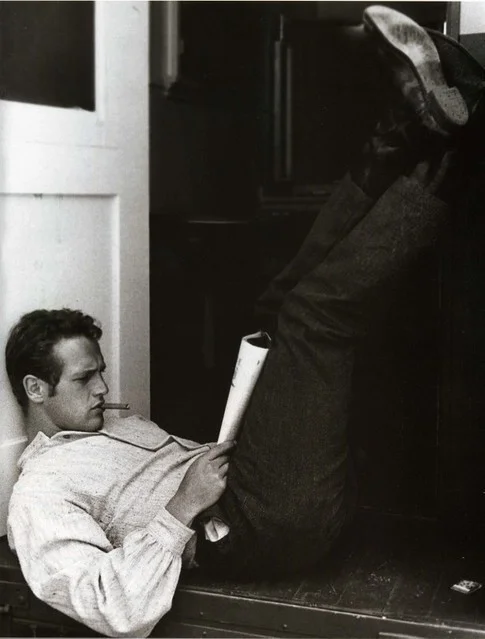
My 2015 Reading List

I set a goal to read 50 books in 2015. In September, I revised my goal down to 40?and I hit it! What follows is my reading list for 2015, in chronological order. (Click here to see my post on the best 6 books I read last year.)
My Ratings
??????life-changing and unforgettable?????? excellent???? worth reading??? read other things first??? not recommended The Class Meeting: Reclaiming a Forgotten (and Essential) Small Group Experience,?by Kevin Watson. Clear, simple book about the most important building block of the Methodist movement. ??? Notes from Underground, by Roger Scrunton. Novel about the dissident movement in communist Prague in the 1980s, and the way freedom was a betrayal and a disappointment for the movement's ideals. Scruton is a very interesting philosopher and thinker. ??? Outliers: The Story of Success,?by Malcolm Gladwell. I wrote about?Outliers in my Best Books of 2015 post. ???? You'll Get Through This: Help and Hope for Your Turbulent Time, by Max Lucado. ??? Blink: The Power of Thinking Without Thinking, by Malcolm Gladwell. My least favorite of the Gladwell books. ?? David and Goliath: Underdogs, Misfits, and the Art of Battling Giants,?by Malcolm Gladwell. Some really interesting stories of turning weaknesses into strengths. I think his reading of the David and Goliath story in 1 Samuel 17 is right on. ??? Meeting God in Mark: Reflections for the Season of Lent,?by Rowan Williams. Typically well-written insights from the former Archbishop of Canterbury. ??? Mark: the Gospel of Passion (the Biblical Imagination Series),?by Michael Card. I like his creative, faithful thoughts on the Gospels. ??? The Tipping Point: How Little Things Can Make a Big Difference,?by Malcolm Gladwell. The stuff on "connectors," "mavens," and "salesmen" was helpful to me. ??? The Culture Code: An Ingenious Way to Understand Why People Around the World Live and Buy As They Do,?by Cloture Rapaille. I think the basic premise--that different objects mean different things to different cultures--makes sense, but I think he really stretches to make some of the points he does. ? The Radetzky March, by Joseph Roth. I wrote about?The Radetzky March?in my?Best Books of 2015?post. ???? The Epic of Eden: A Christian Entry Into the Old Testament, by Sandra Richter. I LOVE this book, which provides a cohesive vision for understanding the Old Testament. Highly recommended for anyone who has trouble making sense of‘the Old Testament. ??? Every Man a King, by Bill Kauffman. Vulgar, convoluted, with a ridiculous plot: I hated this book. (This 1 star review on Amazon does a good job capturing what I disliked--I didn't write that review.) ? Seabiscuit: An American Legend, by Laura Hillenbrand. Good, not great. A story about a horse can only be so captivating, and I much preferred?Unbroken, which I wrote about last year. ??? Little Failure: A Memoir, by Gary Shteyngart. Really funny, particularly the parts about this Russian Jewish immigrant learning to be a good American. ??? To Live Is Christ to Die is Gain, by Matt Chandler. Based off his sermon series. ?? Faithful: a Theology of Sex by Beth Felker Jones. ?? Autopsy of a Deceased Church: 12 Ways to Keep Yours Alive, by Thom S. Rainer. ?? The Martian, by Andy Weir. Might be a good movie (haven't seen it), but not a great novel. ?? Simplify: Ten Practices to Unclutter Your Soul by Bill Hybels. Important topic, but I didn't find the book all that helpful. ?? Crazy Busy:A (Mercifully) Short Book about a (Really) Big Problem, by Kevin DeYoung. Helpful, particularly the chapter on acedia. ??? An Unhurried Life: Following Jesus' Rhythms of Work and Rest, by Alan Fadling. I wrote about An Unhurried Life?in my?Best Books of 2015?post. ??? Kristin Lavransdatter, by Sigrid Undset. I wrote about?Kristen Lavransdatter?in my?Best Books of 2015?post. ????? Do Not Live Afraid: Faith in A Fearful World, by John Indermark. ?? Unapologetic: Why, Despite Everything, Christianity Can Still Make Surprising Emotional Sense, by Francis Spufford. Although Mr. Spufford and I would disagree on a number of issues, his sincere devotion and creative approach won me over. Recommended for someone who might want to think about the Christian faith from an unconventional starting point. ??? The Searchers: A Quest for Faith in the Valley of Doubt by Joe Loconte. I really like Professor Leconte's reading of the Emmaus story. ??? The Thirty-Nine Steps, by John Buchan. ??? Thriving in Babylon: Why Hope, Humility, and Wisdom Matter in a Godless Culture, by Larry Osborne. Book never really lived up to the promise of the title. ?? How (Not) To Be Secular: Reading Charles Taylor, by James K.A. Smith. People I respect were enthusiastic about this book, and though it offers some helpful insights into Taylor's work, in general I thought it was poorly written, full of academic jargon and convoluted sentences. If it were not for the fact that I think Taylor's insights into our secular age are worth hearing, I would otherwise give this book a lower rating. Very disappointing. ??? Accidental Pharisees: Avoiding Pride, Exclusivity, and the Other Dangers of Overzealous Faith,?by Larry Osborne. ?? The Jesus Cow: a Novel, by Michael Perry. What do I say 2 stars means? Right: "read other things first." Exactly. ?? Compassion Without Compromise: How the Gospel Frees Us to Love Our Gay Friends Without Losing the Truth, by Adam Barr and Ron Citlau. Honestly, I don't remember anything about this book. I don't know if that's my fault or the authors'. ?? The Life-Changing Magic of Tidying Up: The Japanese Art of Decluttering and Organizing, by Marie Kondo. This lady is weird--we're supposed to talk to our clothes and books?--but I actually kinda liked this book. ??? The Heart and the Fist: The Education of a Humanitarian, the Making of a Navy SEAL, by Eric Greitens. ?? The Great Christ Comet: Revealing the True Star of Bethlehem, by Colin Nicholl. First of all, this is physically a beautiful book: hardback, with glossy illustrations on nearly every page. An exhaustive study of the topic. ??? The Hunger Games,?by Suzanne Collins. I wrote about?The Hunger Games?in my?Best Books of 2015?post. ??? Catching Fire, by Suzanne Collins. Better than?Mockingjay,?worse than?The Hunger Games. ?? Creativity, Inc., by Ed Catcall. I wrote about?Creativity, Inc.in my?Best Books of 2015?post. ???? The Means of Grace: Traditioned Practice in Today's World, by Andrew Thompson. Good, clear summary of ways people have learned to connect to God. ??? Mockingjay, by Suzanne Collins. Not a good book. But, to be expected: wrapping up complicated plot lines neatly is difficult. ?
My 2016 Reading Goal
Once again, I‘ve set myself a goal of reading 50 books this year. What about you?do you have a reading goal for the year?[Here are my?2013?and?2014?reading lists, respectively.]
If you love books, click?here‘to subscribe to my blog updates, delivered right to your inbox.
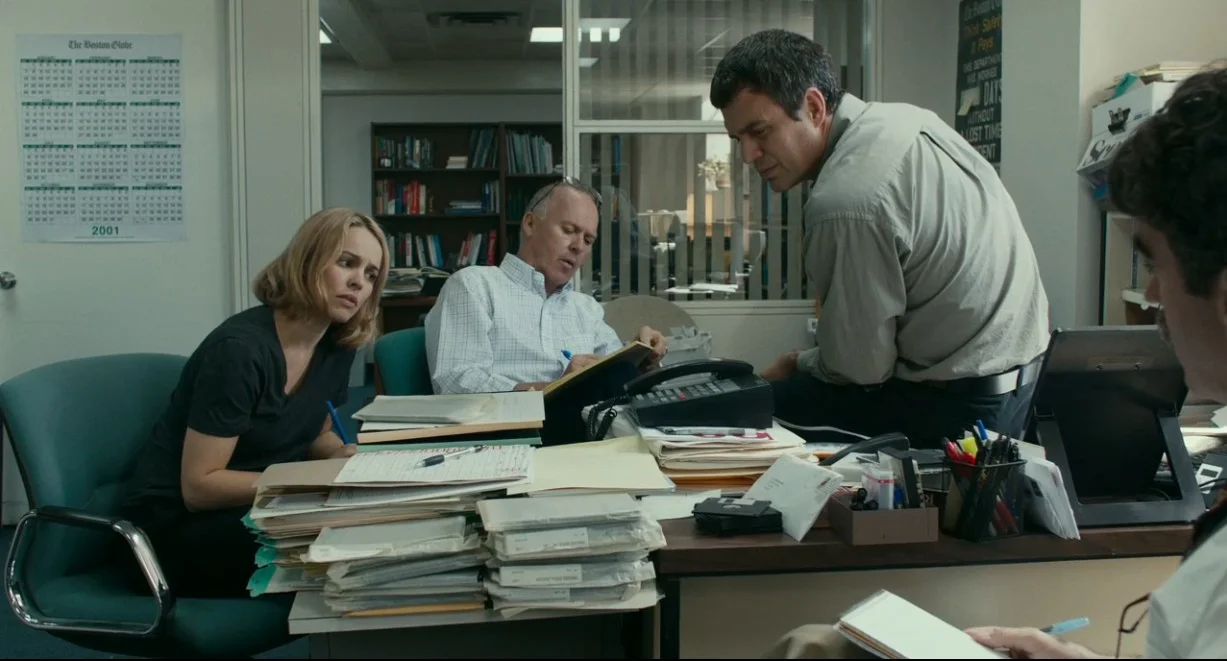
My Thoughts on "Spotlight"

I?went to see the?movie Spotlight?on Friday?afternoon. Here are some quick thoughts.Every now and then I'll go to the movies by myself on Fridays. I tend to do a lot of my sermon preparation on Fridays, and from time to time I'll go to a movie for sermon research. (I'm not kidding.) I'm preaching on Judas this Sunday, and it struck me that the movie?Spotlight might give me some insight into the idea of betrayal.Spotlight, which won the Academy Award for Best Picture on Sunday, is about the investigative reporting the Boston Globe did in 2001 that blew the clergy sex abuse scandal wide open. It is a serious, earnest movie that thankfully avoids the self-importance and self-regard?in which these sorts of "Important" Hollywood films sometimes?indulge.At one point in the film, one of the reporters, for whom reporting on the story has been an emotional ordeal, shouts: "They?knew?and they let it happen...to kids." That line really struck me, and I just started crying quietly, in the dark.How could you betray that trust?But that's the way it always is, isn't it? Spotlight does a good job of showing how the real scandal was not that hundreds of priests preyed on the vulnerable, but that thousands of people let it happen, covered it up. As one of the characters says, "It takes a village to molest a child."The movie very clearly takes on the Roman Catholic Church, but I don't think Spotlight?is either anti-Christian or anti-clerical.? There was never a point while watching the movie that made me say, "I don't think you are being fair." Rather,?I found the film‘to be a spotlight on the inevitable tendency of the strong to hurt the weak, and the invariable human tendency to knuckle-under, close ranks, and deny ever seeing anything.I can't compare Spotlight to any of the other Best Picture nominees since I haven't seen any of them, but it is exactly the sort of movie that is worthy of that designation: tautly constructed, about an important topic, and a moving story.Recommended.
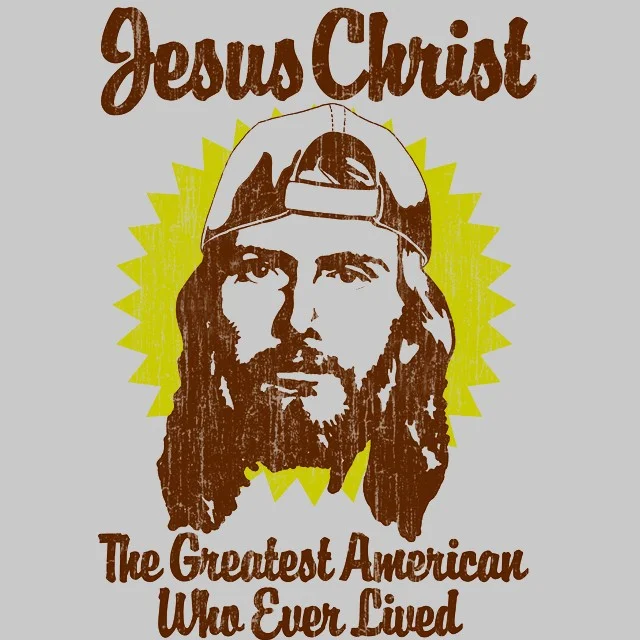
2 Brief Thoughts on Elections

Christians make two mistakes when it comes to elections. Either we are triumphalist, thinking that because our candidate won, all will be well, or we are defeatist and despairing, thinking that because our candidate lost, all will be lost. Both reactions are mistaken.
Elections Are Important
Don't get me wrong--politics matters. I voted yesterday, and I think it matters who is elected, from dog catcher to president, and I want our leaders to lead and our government to run well. It matters whether the trains run on time and the roads are paved and the trash picked up. But as important as all that is, politics is not ultimate, and political power is not most important. There is something more important than politics, and therefore Christians shouldn't make the mistake of believing that our hope depends on how the election returns come in.
But Political Power is Not *Most* Important
Faithfulness is more important than politics and election results. David Watson is the Dean of United Theological Seminary in Dayton, Ohio, and he wrote a blog post yesterday about the temptation the church faces to value political power over faithfulness. Professor Watson's article is worth quoting from at length (though you should read the whole thing):
My fellow evangelicals, let me state this clearly: the ‘system? will never serve us, because the ‘system? is not of Christ. The ‘system? is a political machine beholden to special interests, lobbying groups, large corporations, financial contributors, and other entities, many of which are not the least bit concerned with anything remotely resembling Christian values. The idea that you can tear down the ‘system? and reshape it to serve you is, and always has been, a lie. It has been a lie since the time of Constantine. The ‘system? is about power, but Christ‘s power is the power of the cross, and God‘s power is made perfect in weakness. Christians must always stand outside the ‘system,? even when it is ostensibly Christian. As Christ taught us, No one can serve two masters; for a slave will either hate the one and love the other, or be devoted to the one and despise the other? (Matthew 6:24). Christians willing to compromise core tenets of the faith in order to bend the political process‘to their will may win in the short term, but it will be a pyrrhic victory. In the end, they will lose far more than they gain. For what will it profit them to gain the whole world and forfeit their life?? (Mark 8:36). It‘s not worth it. It‘s?not even close....
His ending makes our choice clear:
Who will we follow? Will we follow Christ and rightly understand ourselves as a countercultural family of faith, or will we baptize an idol of crass?materialism, place a crown on its?head, and call it?Jesus?
Good stuff.
Click?here‘to subscribe to my blog updates, delivered right to your inbox.
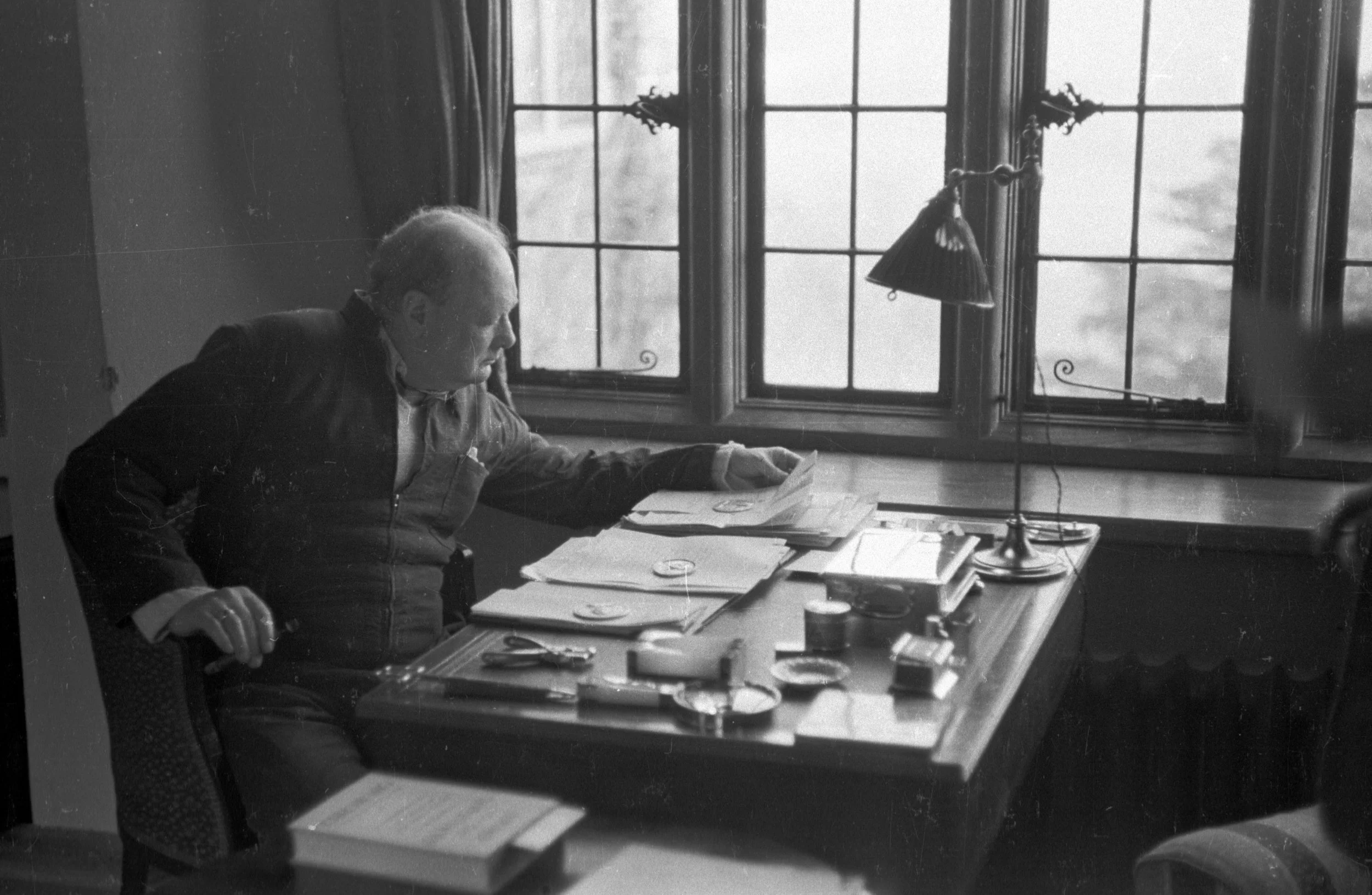
The Best Books I Read in 2015

I set a goal to read 50 books in 2015. In September, I revised my goal down to 40...and I hit it! What follows is my list of the best 6 books I read in 2015, in chronological order.
(Update: My entire 2015 reading list is here.)
My Rules
I only count books I read all the way through, cover to cover. I read lots of journals and periodicals, and in my weekly sermon prep read parts of different books and commentaries, but for my reading goal, none of those count. A book that I keep thinking about, a book that adds enduring value to my life, that‘s a book I’ll define as good. I use a 5 star system in my ratings to signify the following:
★★★★★ life-changing and unforgettable
★★★★ excellent
★★★ worth reading
Books getting less than 3 stars aren‘t on my Best list, which doesn‘t mean they were necessarily bad, but just not books that I’d excitedly recommend to you.
★★ read other things first
★ not recommended
Outliers: The Story of Success, by Malcolm Gladwell
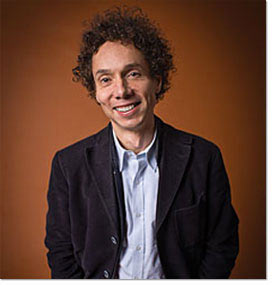
I read all of Malcolm Gladwell's books in 2015; Outliers is my favorite. No man is an island; any amount of success we achieve is due to hard work, of course, but it's also all about right place, right time; success is about our circumstances, our family, and our environment. ★★★★
The Radetsky March, by Joseph Roth

I read because I want to experience life; the books I like best are the ones that evoke other times and other places so acutely that, to paraphrase Robert Frost, they make me remember things I've never known. And, there is something about the vanished places that only exist in memory that are the sweetest and saddest. Since I first read Patrick Leigh Fermor's great memoirs (A Time of Gifts and Between the Wood and Water) I've loved reading works of nostos forMittereuropa, that now-vanished world of the Austro-Hungarian empire, dismantled in World War I and disappeared with murder and concrete by World War Two and the Iron Curtain. After watching The Grand Budapest Hotel, I read about Stephan Zweig, whose work was the inspiration for the Wes Anderson movie. Then, in Zweig's autobiography, I stumbled across a reference to The Radetsky March. I'd never heard it mentioned anywhere else, but it was one of the best books I read in 2015 and the sense of it will stay with me a long time after. So, what is The Radetsky March about? I like Simon Schama's remark:
'Read this and your life will change,' we say, pressing it relentlessly on strangers encountered in Daunt Books who might confuse him with Henry or Philip of the same moniker. 'So what‘s it about?' they reasonably inquire. 'Ah, well,' you say, 'it follows an officer in the Austro-Hungarian army before the first world war, stuck in a provincial border garrison doing nothing in particular except getting drunk on 180 per cent schnapps and haplessly wandering from calamity to disaster ... ' 'Oh, right, thanks,' they say, looking around for an escape route before you can add: 'Oh and, of course, all of human life sex, class, food, music, land, power, and Jews there‘s this scene where Kaiser Franz Joseph runs into an old Hasidic rabbi ... ' But you‘ve already lost them to the Man Booker shortlist table."
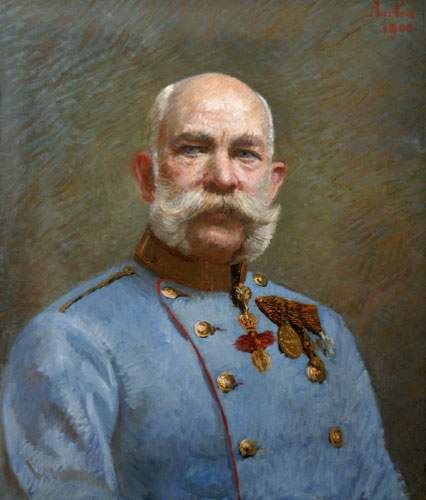
Franz Joseph, Emperor of the Austro-Hungarian Empire, 1848-1916.
The novel is an "elegiac evocation of‘the slow decay of a way of life that disappeared with the collapse of the multinational Habsburg Empire" and about the soft but irresistible pull of that empire towards destruction, and about one family's own petty paralysis in the face of that slow pull. For me,The Radetsky March is all atmosphere, elegy for a world that will never come again. (For a contemporary review of the novel that even then was looking back on a lost world, see this 1933 New York Times piece.) ★★★★
An Unhurried Life: Following Jesus' Rhythms of Work and Rest, by Alan Fadling
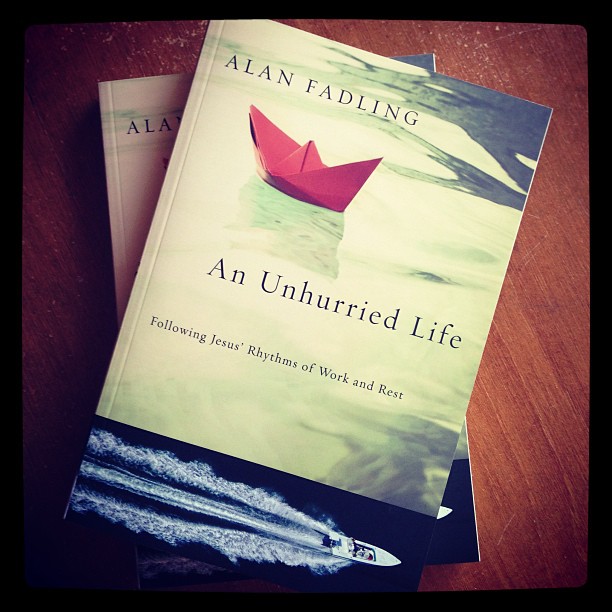
"If you had one word to describe Jesus, what would it be?" In An Unhurried Life, Alan Fadling recounts how, when philosopher and theologian Dallas Willard answered that question, he chose relaxed. Fadling writes, "What took root in my own heart [after hearing Willard's one word description] was the desire to know Jesus as an unhurried savior." When I read that sentence last summer, I thought "YES. Me too." I read this book at exactly the right time. I had been feeling harried and shallow for months, feeling as if I could never find quiet, and feeling that God was calling me to prayer and silence. Alan Fadling's book was a blessing to me, and I recommend it to you. ★★★
Kristin Lavransdatter, by Sigrid Unset
Imagine living in a world in which all of reality--everything you could see and touch and taste and smell--was enchanted with the power of God. This is the world of Kristin Lavransdatter. Rod Dreher explains:
The late medievals were heirs to a belief system that regarded the world as enchanted. God was everywhere, and ordered all things to Himself. All of Creation (and it was Creation, not yet Nature) was a sign pointing to its Creator. It is an anachronistic mistake to think that our late medieval ancestors regarded the world as we do, except with a belief in God added to it. They did not. God and things divine were far more present in the imaginations of the people, who looked around them and saw Him. They lived in a cosmos, a universe ordered by God, pregnant with meaning and divine purpose [emphasis in the original]."
Kristin Lavransdatter is an 1,100 page historical novel (actually a trilogy of novels, published in the early 1920s), written by Norwegian writer Sigrid Undset about 14th century Norway. The novel follows the life of the title character (Kristin, daughter of her father Lavrans)
“first as a young girl enjoying bread, butter, dried reindeer, and mead in sunny alpine meadows with her father; then through her thrilling first encounters with the love of her life, the beguiling Erlend Nikulausson, during which Undset precisely renders the romantic heart of a teenage girl; and finally through Kristin‘s adulthood as a brooding but hardworking mistress of a household and mother of many sons."
Carrie Frederick Frost has an insightful essay at First Things (from which I took the above quotation) about Kristin and motherhood and faith. I will never be a mother, but I am a son and a father, and I appreciate Frost's summary of the insight that Kristin gains from motherhood:
“It is through reflection on her own experience of motherhood that Kristin is able to understand her parents’ love for her. After a decade of motherhood she considers the character of her parents’ love: That love had been strong and wide and unfathomably deep; while the love she gave them in return was weak and thoughtless and selfish, even back in childhood when her parents were her whole world. Kristin realizes that even though she loved her parents, her love for them did not approach the love they had for her, and that she now feels this same ‘strong and wide’ love for her own children. Through her maternal meditation, Kristin understands that she belongs to a lineage of love linking her children, herself, her parents, and all of humanity back to God‘s unfathomably deep, parental love."
Kristin Lavransdatter is not just about motherhood, though: like other great epic novels (e.g.War and Peace or Island of the World) it is about all of life: marriage, adultery, hatred, war, forgiveness, and the grace of God. I love this novel. ★★★★★
Creativity, Inc.: Overcoming the Unseen Forces That Stand in the Way of True Inspiration, by Ed Catmull and Amy Wallace

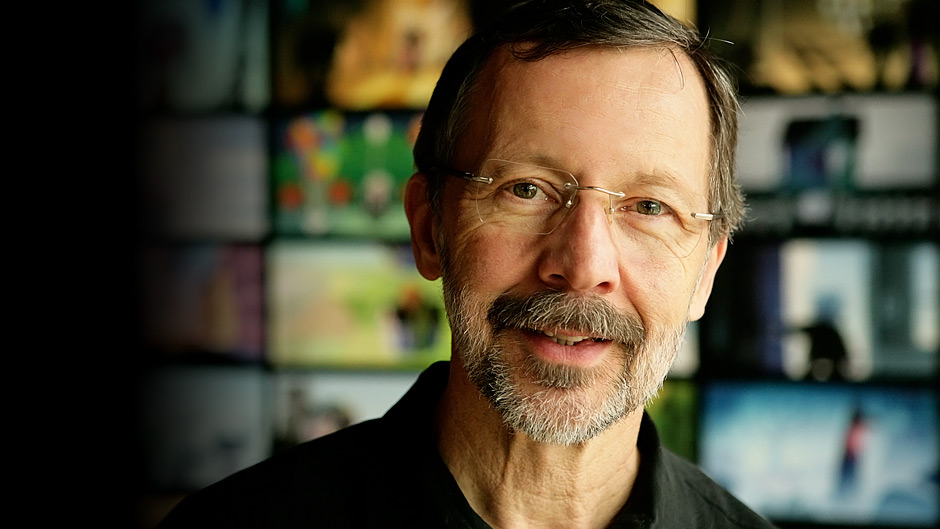
I had an insight last year: my job (or at least the most public aspect of it) is essentially creative. Every single Sunday, 47 weeks a year, I am personally and alone responsible for a 30 minute presentation that is supposed to faithfully convey Christian doctrine, bring the Bible to life, appeal to outsiders and skeptics, nourish the faithful, and, if possible, be both humorous and poignant. And then do it again in 7 days. How is it possible to make that kind of creativity and excellence routine? Ed Catmull is a computer genius in his own right, but he is also a business genius, and as a co-founder and president of Pixar he has been obsessed with creating a culture of creativity since 1986. Creativity Inc. is Mr. Catmull's attempt to put what he has learned down on paper. The result is a business book unlike most business books, and I found myself underlining sentence after sentence as I read. ★★★★
The Hunger Games, by Suzanne Collins

The Hunger Games, Suzanne Collins's dystopian young adult novel, surprised me: it was much better than I expected it to be, and I still find myself thinking about it frequently, months later. The basic story line--how a ruthless elite amuses themselves to death while exploiting the general population in order to maintain their wealth and comfort--strikes me as chillingly similar to life in modern America: we live in The Capital. I think Katniss Everdeen is a totally believable heroine, and I am impressed with Ms. Collins's creativity and vision. ★★★
I'm recommitting to do better about blogging 3 times a week, so click here to subscribe to my blog updates, delivered right to your inbox.
You Need a Sex Habit*

Couples who are having problems aren't having sex. Yes, I'm not a researcher or a therapist and my evidence is all anecdotal from conversations with lots of different couples, but I'm telling you: couples who are having problems aren't having (enough) sex. Correlation or causation? Here's what I think.
Sex is a Keystone Habit
I've written previously about keystone habits:
A keystone habit is a simple habit that has effects that cascade into other aspects of an individual‘s or a group‘s life.So, a keystone habit might be:
- Exercising every morning;
- Making your bed every morning
- Having all?players on the team put on their socks in a certain way;
- Putting safety concerns on the top of your corporate agenda.
To think of it another way, a keystone habit is the first domino that falls and knocks down all the others with it.So, a keystone habit in healthy families is having dinner together at home every evening. That simple practice affects?the relationship between the mom and the dad and the kids? behavior in school and even their reading level. It‘s one domino that falls, knocking over a bunch of others."
It's not the keystone habit itself that matters as much as what that particular habit represents and sets in motion. I think sex between a husband and a wife is exactly that sort of habit; it's a domino that falls and knocks over a bunch of others. Here's why:
- Sex requires proximity. It's good for a husband and a wife to spend time together--too much time apart is never good.
- Sex requires selflessness. Like everything else in life that's good for you, sometimes you won't feel like it, but there are times when your husband or your wife will need?it, and therefore your relationship needs it.
- Sex requires?intentionality. Unlike in the movies, married folks don't walk around ripping each others' clothes off whenever possible. With jobs and kids and schedules, sex requires intentionality.
- Sex sends a message. Women tend to become self-conscious about their bodies as they age and have children, and when a husband tells his wife she is?desirable, it draws them together in a profound way. And vice versa (though not the having children part).
![[http://whyatt.com.au]](http://static1.squarespace.com/static/5d70f59aefca59000162e4e6/5d7fcef39f682762992c8aca/5d7fcf0a9f682762992c8d96/1568657162052/I-take-it-you-havent-had-sex-for-a-while.jpg?format=original) Everybody likes sex, but contrary to what a 15 year-old boy would think, it's not the sex itself that makes the difference for couples so much as it is the proximity, selflessness, intentionality, and message of commitment that regular sex brings to a marriage.At least, that's my theory. What do you think? *If you're married. I subscribe to the outlandish and clearly ridiculous belief that sex has a purpose, and that that purpose is only realized within a marriage between a husband and a wife. If you're not married, not having sex won't kill you, believe it or not. You should try it.
Everybody likes sex, but contrary to what a 15 year-old boy would think, it's not the sex itself that makes the difference for couples so much as it is the proximity, selflessness, intentionality, and message of commitment that regular sex brings to a marriage.At least, that's my theory. What do you think? *If you're married. I subscribe to the outlandish and clearly ridiculous belief that sex has a purpose, and that that purpose is only realized within a marriage between a husband and a wife. If you're not married, not having sex won't kill you, believe it or not. You should try it.
(Click?here‘to subscribe to my blog updates, delivered right to your inbox 3 days a week.)
Everybody Wants To Be The Same

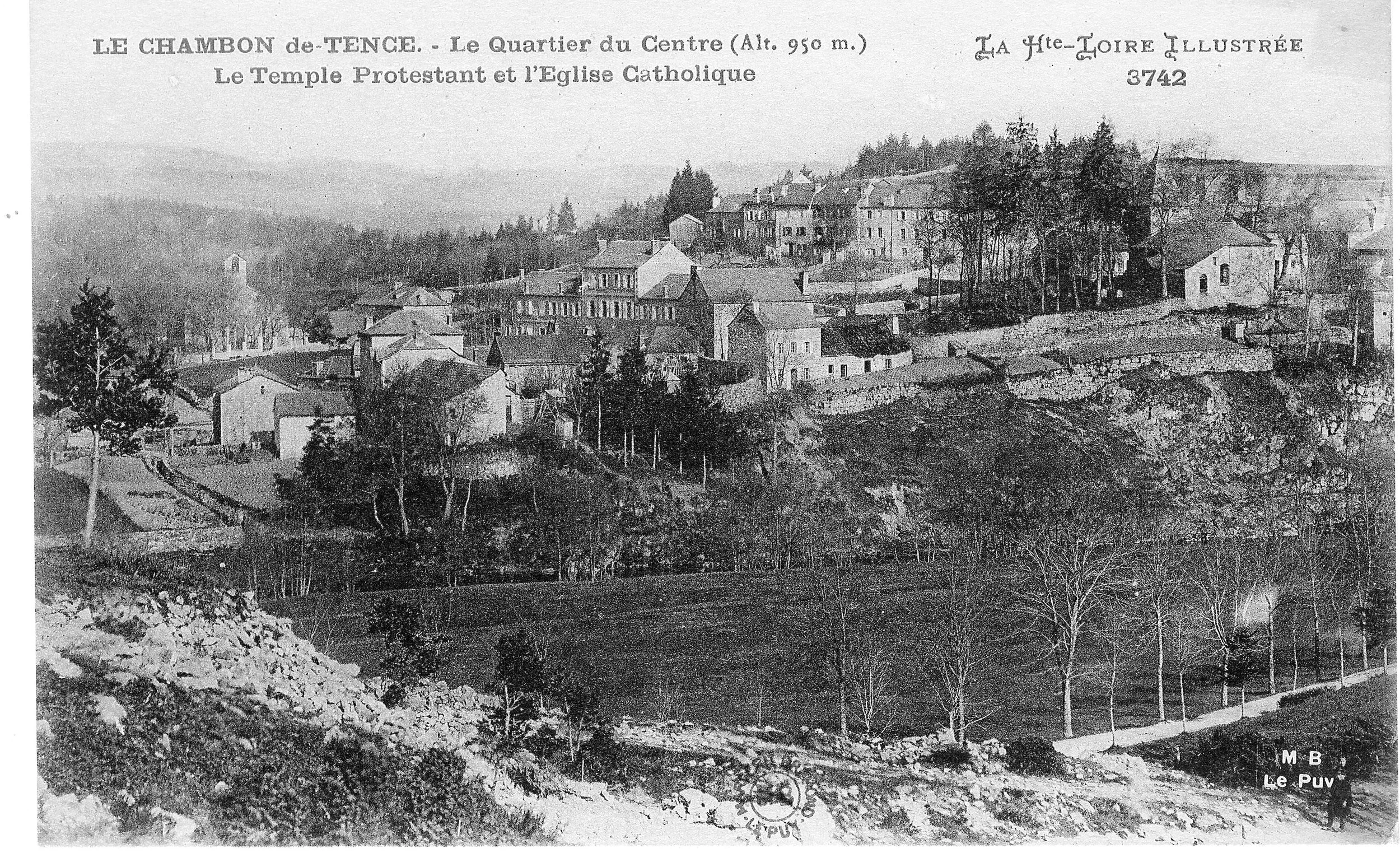
Everybody wants things to be different, but nobody wants to be different. It is the different people, though, who make the biggest difference. The people of Le Chambon-sur-Lignon were always different, which is why they made the difference they did.
Le Chambon Was Different
Le Chambon is a small town in southwestern France, and for centuries it had been the home for a population of French Protestants called Huguenots. The Huguenots had been influenced by John Calvin and had been persecuted by the Roman Catholic French state during the wars of religion. The Huguenots, therefore, knew what it meant to be different and knew what it meant to suffer.![Andr? Trocm?, wife Magda, and their children [https://extravagantcreation.files.wordpress.com/2011/11/pastor-andre-trocme-wife-magda-and-children63.jpg]](http://static1.squarespace.com/static/5d70f59aefca59000162e4e6/5d7fcef39f682762992c8aca/5d7fcf099f682762992c8d87/1568657161404/sermon-pic-01-pastor-andre-trocme-wife-magda-and-children63.jpg?format=original)
Andr? Trocm? and the Jews
When World War II began, Pastor Andr? Trocm? led the people of Le Chambon in welcoming and sheltering refugees and fugitives, many of them Jews. The people of the town refused to declare allegiance to the collaborationist government in Vichy and devised ingenious ways to disguise the Jewish population around them.In August of 1942, the police came to the town and demanded that Le Chambon give up the Jews they were hiding. On August 30, Andr? Trocm? ascended the steps of the pulpit in his packed church.![The church in Le Chambon [http://goo.gl/bnFsv6]](http://static1.squarespace.com/static/5d70f59aefca59000162e4e6/5d7fcef39f682762992c8aca/5d7fcf099f682762992c8d8a/1568657161617/sermon-pic-02-3794_1.jpg?format=original) The pastor told the people to "do the will of God, not of men." The authorities left the town without making any arrests.In 1943, however, Pastor Trocm? was arrested and detained for 5 weeks, and after his release he had to go into hiding until the end of the war. His wife Magda carried on his work and provided leadership to the effort to shelter and save Jewish refugees.Approximately 5,000 Jewish refugees were sheltered in Le Chambon (a town of only 5,000 people) over the course of the war; not a single Jew was given over to the Nazis.There is a memorial to Andr? and Magda Trocm? at Yad Vashem in Jerusalem.
The pastor told the people to "do the will of God, not of men." The authorities left the town without making any arrests.In 1943, however, Pastor Trocm? was arrested and detained for 5 weeks, and after his release he had to go into hiding until the end of the war. His wife Magda carried on his work and provided leadership to the effort to shelter and save Jewish refugees.Approximately 5,000 Jewish refugees were sheltered in Le Chambon (a town of only 5,000 people) over the course of the war; not a single Jew was given over to the Nazis.There is a memorial to Andr? and Magda Trocm? at Yad Vashem in Jerusalem.![Yad Vashem [http://goo.gl/sr6tkR]](http://static1.squarespace.com/static/5d70f59aefca59000162e4e6/5d7fcef39f682762992c8aca/5d7fcf099f682762992c8d8d/1568657161831/P2090089.jpg?format=original)
If You're Not Different, You're Not Any Good
Nobody wants to be different, which is why the world is the way it is: everybody is just like everybody else.It's like salt. Salt is meant to flavor and preserve, but if salt loses its saltiness, it's good for nothing but to be trampled underfoot.The people of Le Chambon were different, and so they made a difference. In memory of the people of Le Chambon, the salt of the earth and "righteous among the nations."
(Click?here‘to subscribe to my blog updates, delivered right to your inbox 3 days a week.)

Who Cares if Christians and Muslims Worship the Same God?

Do Christians and Muslims worship the same God? Lots of folks are asking that question these days, and though it is an important question (and one that I will not be answering in this post), I don't think the question is as helpful as other people seem to think.
Do Christians and Muslims Worship the Same God?
Some people say yes, and these people imply that Christians are therefore under obligation to show compassion to Muslims because of their theological commonalities. After all, aren't Christians and Jews and Muslims all "people of the book?" (That phrase comes from the Qu'ran.) And, since we are all people of the book, shouldn't Christians treat Muslims with compassion?I do not agree with this implication.
The Problem With Saying Yes
As Mark Tooley points out in Newsweek, if you stress that Christians are obligated to show compassion to Muslims because they are theological cousins, you are inadvertently implying that Christians are not under the same obligation to show compassion to other peoples with whom they don't have any theological commonalities. Hindus, for example, are not "people of the book," and yet that fact should not affect Christian treatment of Hindus (or Sikhs or Jains or Buddhists or atheist communists, etc.)A Christian's compassion for another does not depend on that other's theological commitments. Whether or not Christians and Muslims worship the same God is completely irrelevant to the issue of whether a Christian should show compassion towards his Muslim neighbor.Do Christians and Muslims worship the same God? What if the answer is no--should‘that change how a Christian treats her Muslim neighbor?
Love Isn't Conditional
Christians are not required to only love people with whom we agree (or partially agree).Jesus, after all, told his followers to love their enemies.
(Click?here‘to subscribe to my blog updates, delivered right to your inbox 3 days a week.)

Best of 2015

The editors at www.andrewforrest.org (best blog on the internet?)?have been working long hours and our fingers to the bone to get our 1st annual best-of list together. Yes, we didn't make it by 12/31, but it's not too late to look back at 2015, right?
Best Book I Read in 2015

The Amazon description calls Kristin?Lavransdatter?"the turbulent historical masterpiece of Norway's literary master." I agree that it's a masterpiece (though certainly an overlooked one): Sigrid Undset's 1100 page historical novel is a book that will stay with me for years to come. It's about the life of the title character in 14th century medieval Norway, and I can honestly say I've never read anything like it. Highly recommended.
Best Movie(s) I Saw in 2015
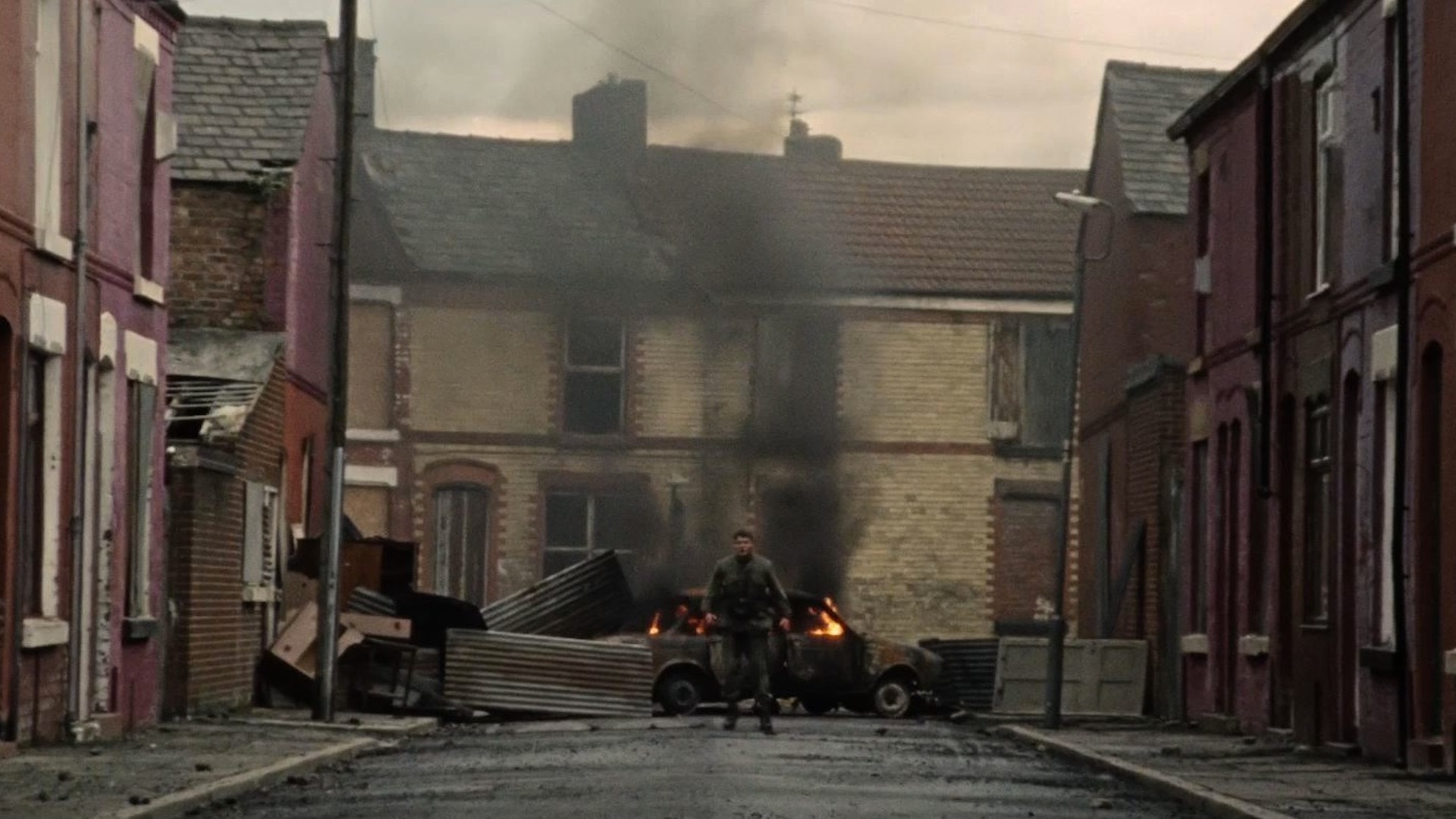
Here's what?I wrote in April about the brutal war thriller?'71:
Walking down the stairs of the theater afterwards, I realized that I?d been keeping my entire body rigid and tense throughout the movie?it‘s that kind of film. It‘s really well done: terrifying, honest, brutal, and resists the urge to clean-up everything at it‘s end. Highly recommended, though not for the faint of heart."
Thinking back on it 9 months later, I stand by that assessment. '71 is one of the best movies of the year.
Meanwhile, on the complete other end of the movie spectrum....

On the complete other end of the spectrum, the British claymation film?Shaun the Sheep: the Movie?is also one of my favorite movies of the year. It's wordless, really funny, and touching and sweet as well. Recommended.
Best Reason Not to Visit Seattle

Kathryn Shultz wrote a long article in?The New Yorker's July 20 issue called "The Really Big One,"?about how the Pacific Northwest is overdue for a massive earthquake. One of the memorable quotations from the piece comes from the region's FEMA director when he says (and subsequently stands by his remarks): "Our operating assumption is that everything west of Interstate 5 will be toast. Her follow-up piece 8 days later addressing some FAQ's won't make you feel any better.
I'll stay in Texas, thank you.
Best App

My wife and I made a decision to never share pictures of our son on social media. However, our extended family is far-flung and lives on 3 different continents, and sharing pictures is an important way to feel closer. Enter?Togethera, a photo sharing app that allows you to create closed groups. We've been using it since the summer and love it.
Best Sermon
That's like asking me to choose which one of my kids is the best. The answer is obvious: I like them all, except the ugly ones.
Best Everyday Carry Accessories

I never leave the house without the following in my pants pockets:
- a pocket notebook (which I keep in my back pocket);
- my space pen;
- and my trusty ole?pocketknife.
Best State Fair
 Too easy:?The State Fair of Texas, fool! (September 30 will be here before you know it....)
Finally: Best Hanukkah Song
I know, I know: with so many to choose from, how do you narrow it down to just one? But, this year's winner (which, being held hostage by our house's resident kindergartner, we played on repeat in our household 1,000 times in the month of December) is Jewish reggae?rapper Matisyahu's 2012 single "Happy Hanukkah." The video ain't my favorite, but I defy you not to be happy with the audio turned way up.[embed]https://www.youtube.com/watch?v=K1QRSl6hUZw[/embed]My favorite part is the "Lion of Juuuuudah" part of the refrain.
Auld Lang Syne
2015 was a great year; here's to an ever better 2016.
(To ensure you have a great 2016, click?here‘to subscribe to my blog updates, delivered right to your inbox 3 days a week.)
My One Word for 2016
Resolutions don't work. Rather than focusing on a list of specific ways we want to live differently each year, I've written the last two years?about a better alternative: focusing and living into a one word theme for the new year.
My One Word for 2016
If it ain't broke.... For 2016 I'm keeping the same word I've had the previous two years.My one word for 2016 is?early.I want to:
- wake up early
- pray early
- workout early
- finish tasks early
- get to appointments early
- finish my sermon early
- get to bed early
What about you? What's your one word for 2016? Why?
P.S. Have You Subscribed?
Yes, Dear Reader, I know I've been absent from the Internets for the past 2 months, but it's a new year, and I'm going to be posting to my site 3 times a week in 2016. Click?here‘to subscribe and get my posts delivered straight to your inbox.
This Is Why I Love My Job

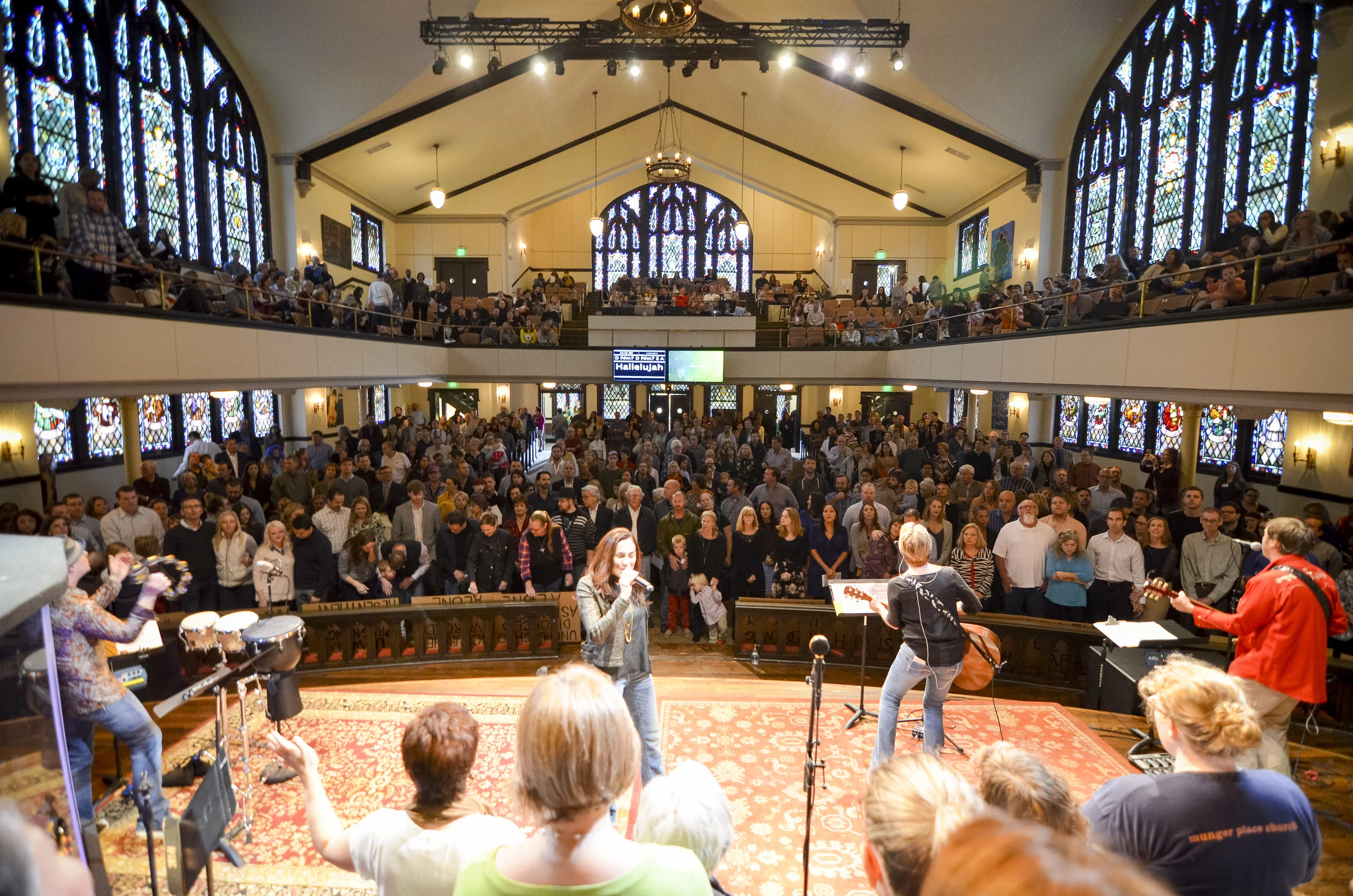
On Sunday, I was reminded how grateful I am that I get to do what I do. The congregation I serve in East Dallas celebrated our 5th birthday on Sunday, and I'll be the first to tell you that the sermon wasn't the best part of the service. No, it was what happened afterwards that everyone is talking about.
Who Knew Cardboard Could Make You Cry?
We had asked some folks from our congregation to share their "cardboard testimonies" immediately following my sermon. Nothing I could ever say could be as powerful as what those folks wrote on their cardboard signs:[embed]https://www.youtube.com/watch?v=hjpUm6ROR-0[/embed]I feel so grateful to get to be a part of a place like Munger and to see the saving power of God up close.Amen.
P.S. Subscribe
I generally post 3 times a week about faith and culture. Click here to subscribe and get my posts delivered straight to your inbox.
Happy Birthday Munger!
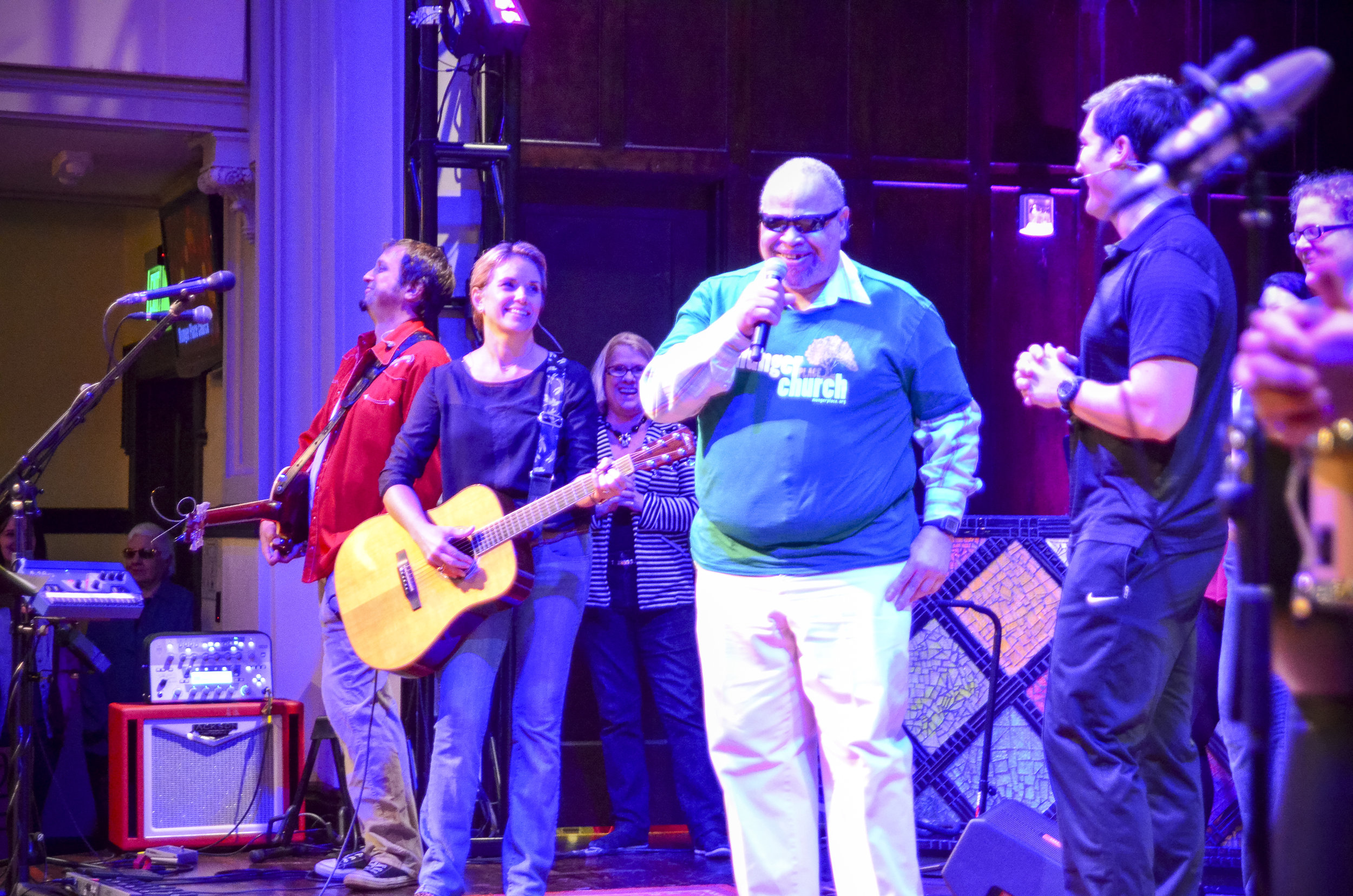
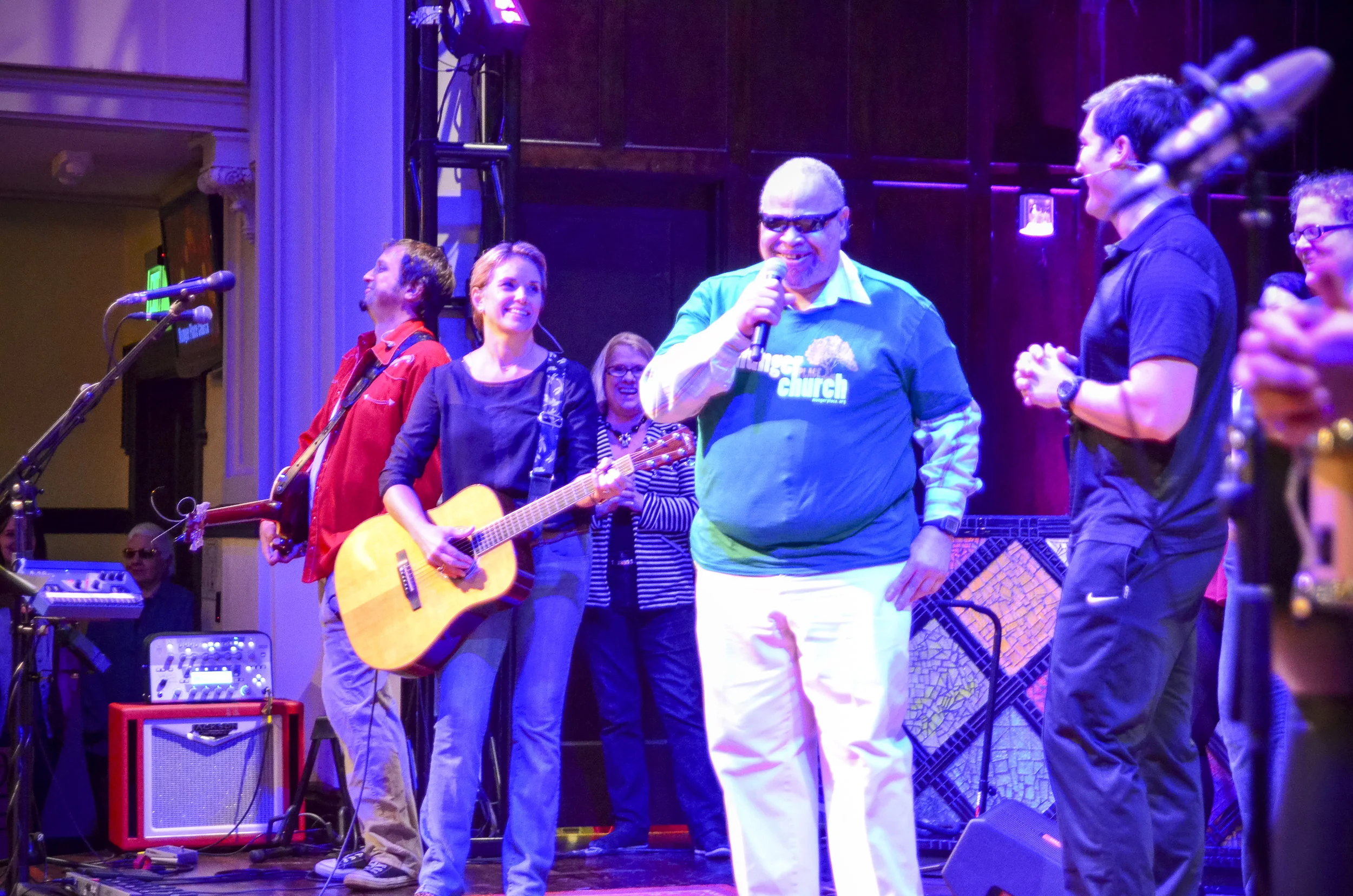
Five?years! The congregation I serve in East Dallas celebrated our 5th anniversary today, and my friend Lin Thomas--a great Mungarian!--blessed us with a birthday poem. Check out the 90 second video, below.
Lin's Birthday Poem
Lin, who is blind, is a faithful and generous member of our congregation. (You might remember that he shared a Thanksgiving prayer with us last November.) This morning, this is what he had to say to a packed house of Mungarians:[embed]https://www.youtube.com/watch?v=rs9-XMdy1jk[/embed]We are so blessed.
P.S. Have You Subscribed?
I generally post 3 times a week. Why not subscribe for updates from my blog? Click here to sign up.

In Death's Dark Valley

Our community was shocked last week when we heard the evil news that an 18 year-old young woman named Zoe Hastings was found murdered. What do we do in the face of this kind of loss? I don't know the Hastings family personally and I don't presume to have any idea of the hell through which they are walking. But, I have been thinking about loss, and I humbly offer the following thoughts to anyone struggling with the question, "What do we do in the face of evil, death, and suffering?"
We Grieve
When we experience loss, we grieve. It is appropriate and necessary to be filled with anger or dread or numbness. It's okay to scream and cry. When someone you love is taken away, anything less than grief would be an obscenity. And, because grief comes in all different forms and in different ways and at different times for different people, whatever you are feeling is fine. Don't analyze it. Just grieve.
We Resist
When we experience evil and loss we want to scream out "Why?" When evil comes upon us, it is always inexplicable, but for some reason we still feel the need to offer an explanation. Don't. One of the wisest things I ever heard my father say: "Resist the urge the explain." We don't know why Zoe Hastings was murdered. No one knows. "Why?" is a useless question, and do not attempt to offer an explanation or a platitude--however well intentioned--to someone grieving. Resist the urge to explain: it won't do any good.
We Hope
I may not have an answer to the "Why?" questions, but there is something else that I do have. Please know that I mean no offense in sharing the following, as I am aware that not everyone reading this shares my faith. But, as a Christian, in the face of evil, pain, and loss, I have hope.Now, Christian hope is not wishful thinking. It is not a vague sense that we should think positively or put a sunny gloss on our grief. Wishful thinking has nothing to offer to those who grieve.No, Christian hope is?certainty. Christian hope is based on the fact that Jesus is risen; Christian hope knows that the?Resurrection proves that evil will not win and that everything sad will become untrue. Christian hope is the certainty that God will ultimately right every wrong.That is the hope I have.So, in the face of evil, death and suffering, we grieve. And we wait until the day when God will make everything new.And we hope.Lord, help our unbelief.
P.S. One of My Favorite Bible Verses
Jesus says, I have told you these things, so that in me you may have peace. In this world you will have trouble. But take heart! I have overcome the world. (John 16:33)