
![Don't Expect Compromise [#EatThisBook - Exodus 7]](https://images.squarespace-cdn.com/content/v1/5d70f59aefca59000162e4e6/1568657627581-2I8C53ZBHU7BEISR8QCT/image-asset.jpeg)
Don't Expect Compromise [#EatThisBook - Exodus 7]

In Exodus 7 we read about the first of the terrible plagues that the Lord inflicts on Egypt. Why? Why can't God be more easy-going?No one wants to hear it, but it's true: compromise isn't always possible, and sometimes conflict is unavoidable.In Exodus 7, Moses has asked Pharaoh to let the Israelites leave. Pharaoh refuses. In fact, Pharaoh will never agree. Exodus 7:13 describes Pharoah's heart as hard, i.e., he is utterly opposed to anything Moses has to say.We prefer conversation to conflict, and we'd like to look for compromise whenever possible. But sometimes conflict is unavoidable. One of the dominant themes of Exodus is that there are forces in this world utterly opposed to the things of God. Those forces will not compromise; the only course of action is conflict. C.S. Lewis, speaking in eschalotigcal terms, puts it like this:
There is no neutral ground in the universe: every square inch, every split second, is claimed by God and counterclaimed by Satan."
Don't think that the evil in this world will go without a fight. Either God wins, or evil wins: there's no compromise. Either Pharaoh keeps oppressing the Israelites, or Moses leads them to freedom: there's no compromise.I don't like conflict any more than you do, but sometimes conflict is unavoidable:
- the sex traffickers in our city are not going to be won over by reason and conversation; they'll have to be opposed and fought tooth and nail;
- your marriage is not going to just be healed; you'll have to ruthlessly fight for it;
- I can't just compromise with the selfishness in my heart; God needs to heal me from it.
The plagues God sends over Egypt are terrible and uncompromising, but they are necessary, because compromise isn't always possible. Direct conflict between God and Pharaoh cannot be avoided.
![3 Reasons Why You'd Better Be Stubborn [#EatThisBook - Exodus 6]](https://images.squarespace-cdn.com/content/v1/5d70f59aefca59000162e4e6/1568657626452-VJXZG8CQ0GS46XFG62E7/image-asset.jpeg)
3 Reasons Why You'd Better Be Stubborn [#EatThisBook - Exodus 6]
Anyone can start something. Starting is easy. But it's what happens in the middle between starting and finishing that makes things difficult. And this is why you are going to have to be stubborn.
3 Reasons You'll Need to Be Stubborn
- Hope is hard. The Israelites have been so oppressed and downtrodden that believing that life could be better has become impossible for them: "Moses told this to the Israelites; but they would not listen to Moses, because of their broken spirit and their cruel slavery" (6:9). At work, at home, wherever you find yourself, you'll need to stubbornly insist:?things can be better! Many people have given up that hope long ago.
- Doubt will creep in. Moses, having encountered difficulty in front of him (in Pharaoh) and behind him (in the Israelites) inevitably begins to wonder "And how exactly is this going to work?" (6:12). When you doubt creeps in, you'll need to stubbornly insist:?fear is a liar and doesn't have the last word.

- Love is stubborn. Love bears all things, believes all things, hopes all things, endures all things (1 Corinthians 13). Love is stubborn. God loves his people and will not give up on them, no matter what (6:2-8). You and I have been created in the image of God and called by God to love this world. It's a world in desperate need of stubborn, unsentimental love.
Where do you need to add some stubbornness today?
![No One Wants You to Do the Right Thing [#EatThisBook - Exodus 5]](https://images.squarespace-cdn.com/content/v1/5d70f59aefca59000162e4e6/1568657623752-8IV4JHJBPCOVP963T7TN/image-asset.jpeg)
No One Wants You to Do the Right Thing [#EatThisBook - Exodus 5]
People will tell you that they want you to do the right thing. But, people are lying. People don't want you to do the right thing if it will cause problems. And doing the right thing?always causes problems.See, if it were easy to do the right thing, the right thing would already be done. But doing the right thing is difficult.If there were no opposition to doing the right thing, the right thing would already be done. But there is opposition to doing the right thing. Bitter opposition. Those who do the right thing make enemies.Your friends and allies will tell you they want you to do the right thing, but when you start doing it, you will cause problems. You will stir up trouble. You will cause controversy. When you start causing problems, your friends and allies will tell you to take it easy, to stop being so radical, that you catch more flies with honey than with vinegar, that the old system wasn't perfect, but hey, what is?Of course your enemies don't want you to oppose them. Everyone knows that. Your enemies want the freedom to persist in doing the wrong thing without opposition. That's obvious. But the sad truth about life is that your allies (or those who should be your allies) often do not want you to oppose your enemies either. Your erstwhile allies?will tell you that your doing of the right thing is causing problems for?them. "Can't you tone it down a bit?" "You are giving us a bad name." "Things were better before you started making trouble."It wasn't just the Nazis who opposed Bonhoeffer--so did some other members of the Confessing Church, that church whose very reason for existing was to oppose the Nazis, who thought Bonhoeffer was too radical. "Dietrich, tone it down a bit. We agree with you, but you are giving us a bad name. You are causing too much trouble."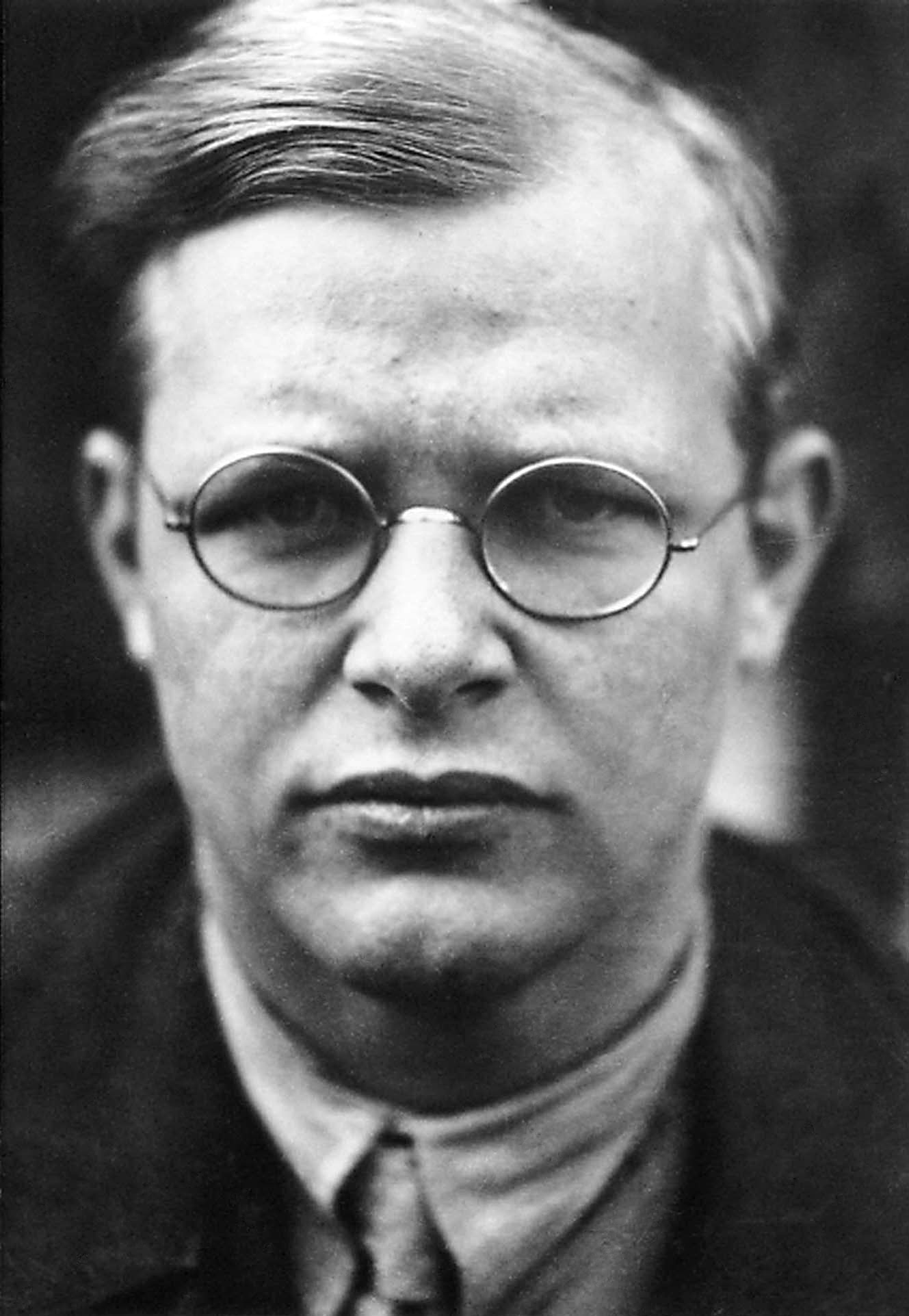 So, Exodus chapter 5. Moses and Aaron are sent by the Lord to free the children of Israel from the oppressive hand of Pharaoh, and if you know anything about human nature, you should be able to predict what happens next:
- Moses and Aaron confront Pharaoh.
- Pharaoh doesn't like being confronted; consequently, he doubles-down on his evil and makes life worse for the Israelites.
- The Israelites don't like worse--who would?--and they complain to Moses and Aaron and blame them for their worsening predicament.
- Moses doesn't like being blamed for doing the right thing, and so he blames God for the whole thing.
No one wants you to do the right thing, at least, not if it will cause trouble. And doing the right thing always causes trouble.You've been warned.
![Fear is Always a Lie [#EatThisBook--Exodus 4]](https://images.squarespace-cdn.com/content/v1/5d70f59aefca59000162e4e6/1568657622653-73CGAC9K7OCS9D7RKFF4/image-asset.jpeg)
Fear is Always a Lie [#EatThisBook--Exodus 4]
We're always afraid that what we have or what we are isn't enough. But that fear is always a lie because the Lord always gives exactly enough.Moses is afraid he won't be persuasive enough; Moses is afraid he won't be eloquent enough; Moses is afraid that one man won't be enough.But note that the Lord provides for Moses's need?out of what he has already given Moses.Moses is afraid he won't be persuasive enough, but the Lord uses the shepherd's staff Moses already has to persuade the people (4:1-5).Moses is afraid he won't be eloquent enough, but the Lord uses the mouth and mind Moses already has to speak to the people (4:10-12).Moses is afraid that one man won't be enough, but the Lord uses the brother Moses already has to be his spokesperson and partner (4:14-17, 27-31).We're afraid that what we have or what we are isn't enough. But the Lord has given us exactly what we need to accomplish exactly what he needs for us to accomplish.Where are you feeling like you don't have enough? Fear is a liar. P.S. Don't ask me about 4:24-26; I have no idea....
"God" Isn't God's Name (#EatThisBook Exodus 3)
Does God have a name? Zeus has a name; Marduk?has a name; Baal has a name. What's the name of the God of the Hebrews?Exodus 3 is important for (at least) two reasons. First, it's the account of one of the most consequential callings in history: the calling of Moses to be God's agent to free God's people. It's no exaggeration to say that the fate of the world hangs on Moses's curiosity to see the bush that burns without being consumed. Without Moses's turning aside, there's no Exodus, no Israel, no David, no Temple, no Judaism, and no Jesus.Second, Exodus 3 is important because we learn that God has a name. God's name is four Hebrew letters that from a very early time pious Jews reverently refused to pronounce. In fact, when they came upon the name of God (translated in Exodus 3:14 as "I AM WHO I AM") they would just say the word "Lord" instead, even though "Lord" isn't spelled like that.English translators of the Bible preserve this ancient Jewish reluctance to say the name of God by a peculiar technique that you've probably seen for years and never noticed.
- When the Hebrew says "God," English bibles say "God"
- When the Hebrew says "Lord," English bibles say "Lord"
- But, aside from here in Exodus 3 when it's translated "I AM," whenever the Hebrew says the special four letter name of God (called the tetragrammaton by scholars), English bibles say "LORD." All caps indicates that it's the special name for God that the Jews would have pronounced as "Lord."
God isn't an impersonal god. God is the LORD, and he introduces himself to Moses in an astoundingly gracious act of revelation.Whole libraries have been written about Exodus 3 and the name of God, but I'll stop there.What else struck you about today's passage?
#EatThisBook - Exodus 2
The Hebrew word for "ark" occurs in only two places in all of the Bible. Once in the Noah account in Genesis, and the second time?The "papyrus basket" that the Levite woman uses to hide the baby among the bulrushes is the Hebrew word for "ark." Isn't that fascinating?Some questions from today's chapter:
- Why call the basket an "ark"? What is the author implying?
- How might?Moses's strange upbringing--a Hebrew raised as an Egyptian--prepare him for the task the Lord has for him?
- How did word get out that Moses killed that Egyptian overseer?
- What is it that God remembers in 2:24? Why does that matter?
#EatThisBook - Exodus Chapter 1
Exodus begins in medias res with a listing of the names of the children of Jacob. (Jacob is also called Israel, and so his children are called the "Israelites." The Hebrew name for the book we call Exodus is "Names," taken from the first word of the Hebrew text of Exodus.) But who is Jacob, how did he have so many children, and how did they all end up in Egypt? To learn all that, you'll need to read Genesis....A few notes about Exodus 1:
- The Israelites are an immigrant people to Egypt, but the Egyptians, who initially welcomed them, begin to fear them because they grow numerous.
- The Egyptians decide to start oppressing the Israelites, but their oppression has the opposite effect (v.12): "The more they were oppressed, the more they multiplied and spread."
- Pharaoh then commands the death of all the Hebrew baby boys. In other words, Pharaoh plans to commit genocide. Some things never change....
- In Exodus 1, we already see what will be the main theme of the first half of the book: a struggle between Pharaoh, the divine king of Egypt, and the Living God. Things will get interesting.
Leave thoughts or questions in the comments below.
The Only Time I'll Ever Write About Ann Coulter

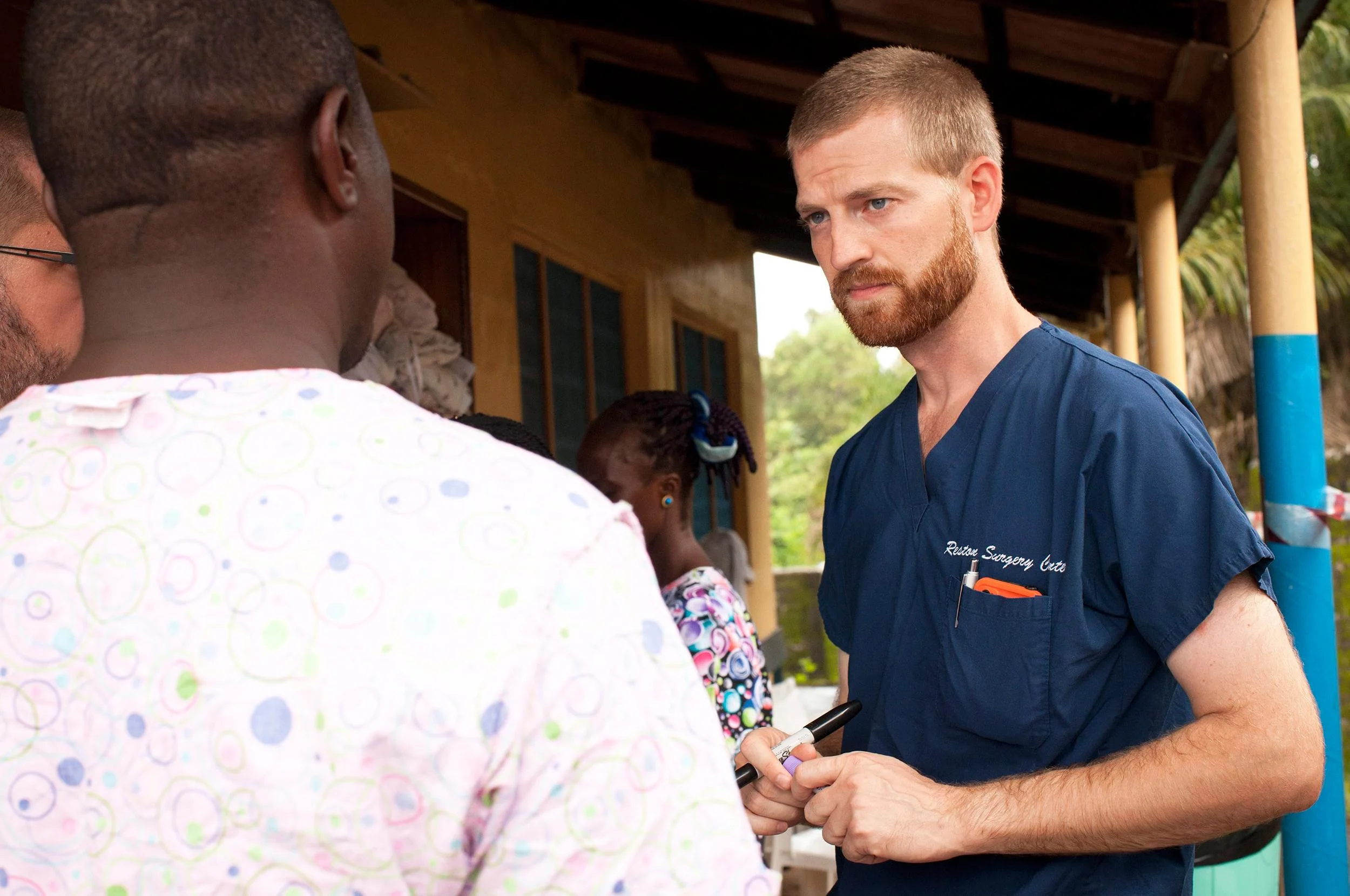
Ann?Coulter makes her living as a media personality by writing and saying provocative things. To cite a recent example, her August 6 post about Dr. Kent Brantly, the American medical missionary who contracted Ebola in Liberia after caring for infected Africans, is?entitled "Ebola Doc's Condition Downgraded to 'Idiotic'." I generally decline to be baited by provocateurs (pearls before swine?and all that) and I certainly have no wish to add to Ms. Coulter's lucrative notoriety. But this time, I can't help myself.I can't help commenting on Ms. Coulter's post because over at First Things?I read an excellent response to it that I want everyone I know to read. I can't resist sharing the First Things post?not because of what the author, Collin Garbarino, says in response to Ann Coulter, but because of what he says about the gospel and about how God works in the world.Ms. Coulter calls Dr. Brantly's actions "idiotic," but Mr. Garbarino reminds us that God's wisdom often looks foolish to the so-called wise of the world:
Christianity has always been a little topsy-turvy. The mightiest king in the universe was born in a lowly stable. The second person of the Godhead??emptied himself, by taking the form of a servant.??He had no form or majesty that we should look at him, and no beauty that we should desire him.?He had??no place to lay his head,? and he surrounded himself with a rag-tag group of fishermen and tax collectors. Jesus could stand as a righteous judge, but he allowed himself to die a sinner‘s death. Through sacrifice?God saved his people.Through death death is conquered. What‘s more foolish than dying in order to live? Christ calls his people to do just that. Take up your cross and follow him." [Emphasis mine.]
Mr. Garbarino goes on to take exception to Ann Coulter's suggestion that Dr. Brantly would have been better off converting a "Hollywood power-broker" than serving Africans without influence, correctly pointing out that worldly influence and power are not God's preferred way of changing the world:
God uses weakness in order to show his own power, and in spite of his habit of using the lowly, he‘s still managed to turn the world upside down. When people start thinking that they need the clout of a??Hollywood power-broker? to do God‘s work, they‘ve abandoned the gospel. If we attempt to convert the mighty so that we can use their resources, we're telling the world that God‘s power is insufficient. Does God need the rich and powerful to change the world? May it never be. God is sufficient in himself to do all he sets out to do." [Emphasis mine.]
The whole post is an excellent summary of the Church's claims about Jesus and worth the 5 minutes to read it. Read the whole thing here.For some reason, we live in a world in which people without wisdom--celebrities, media personalities, and Hollywood power-brokers--are often seen as wise. In such a world, I prefer the foolishness of God and the examples of idiots like Dr. Brantly.
1. As is obvious, I am not in agreement with Ann Coulter on this issue. In fairness, however, she does raise some important points in her post. For example, it is true that the American church should be doing more to care for the poor in our own country. But, loving our neighbors is not an either/or issue. According to Jesus, the Liberian with Ebola is just as much my neighbor as is the homeless man down the street: I have a responsibility to show mercy to them both.2. I was encouraged to see Dr. Russell Moore of the Southern Baptist Convention remind his readers that Christians ought to exercise more discernment before sitting at the feet of "hucksters and demagogues."
In Which I Compare Myself to Barack Obama

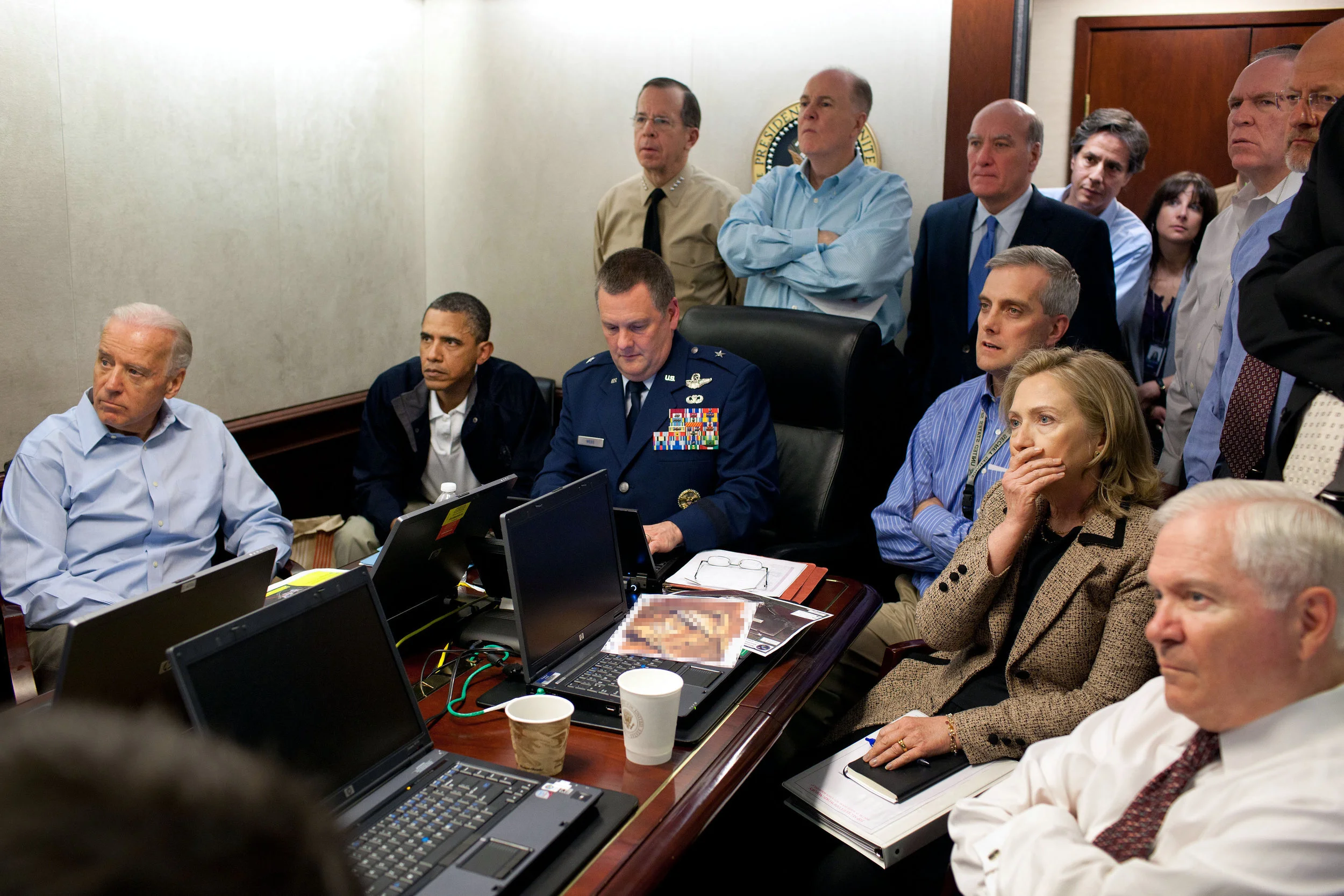
Have you ever known things about people that you had to keep to yourself?On Sunday afternoon, May 1, 2011, President Obama and the rest of the National Security Council gathered in the White House Situation Room to watch the final tense minutes of the Bin Laden raid. As Pete Souza's famous photo conveys, those were minutes of high drama, quite different from the President's surroundings of the previous evening. Less than 24 hours earlier on that previous Saturday evening, April 30, President Obama was watching an event with much less significance than the Bin Laden raid: the White House Correspondents Dinner. During the course of the evening, host and comedian Seth Meyers made a Bin Laden joke and President Obama smiled politely, all the while knowing that the Navy SEALs were already on their way to Abbatabad. The contrast is striking:‘the President surrounded by frivolity while events of life-and-death importance unfold. And he can't tell anyone....
I Know Things About People
I know what it's like to have to keep things close. As a pastor, people tell me their stories, and so I know things about people that they normally keep private. I'm often struck, at the end of a day, at how much suffering so many people carry around with them. And the striking thing about their sufferings is that they are often carried in secret: life carries on all about them in its ordinary way.
"About Suffering They Were Never Wrong"
The great 16th century Flemish painter Pieter Bruegel the Elder was aware of the strange juxtaposition of how everyday life and life-altering suffering might often rub shoulders throughout the course of any given day. In fact, this juxtaposition is a part of two of his most famous paintings. I referenced this 1566 Bruegel painting--Census at Bethlehem--in my 2010 Christmas Eve sermon. It's an ordinary Flemish town on an ordinary winter day, but the title of the painting hints at something more, and when you look more closely, you see, in the bottom right corner, a hunched-over man leading a woman on a donkey. You think for a bit, and then you understand: it's Joseph leading Mary, in the pain of the last moments of pregnancy, hoping to find room in the inn.
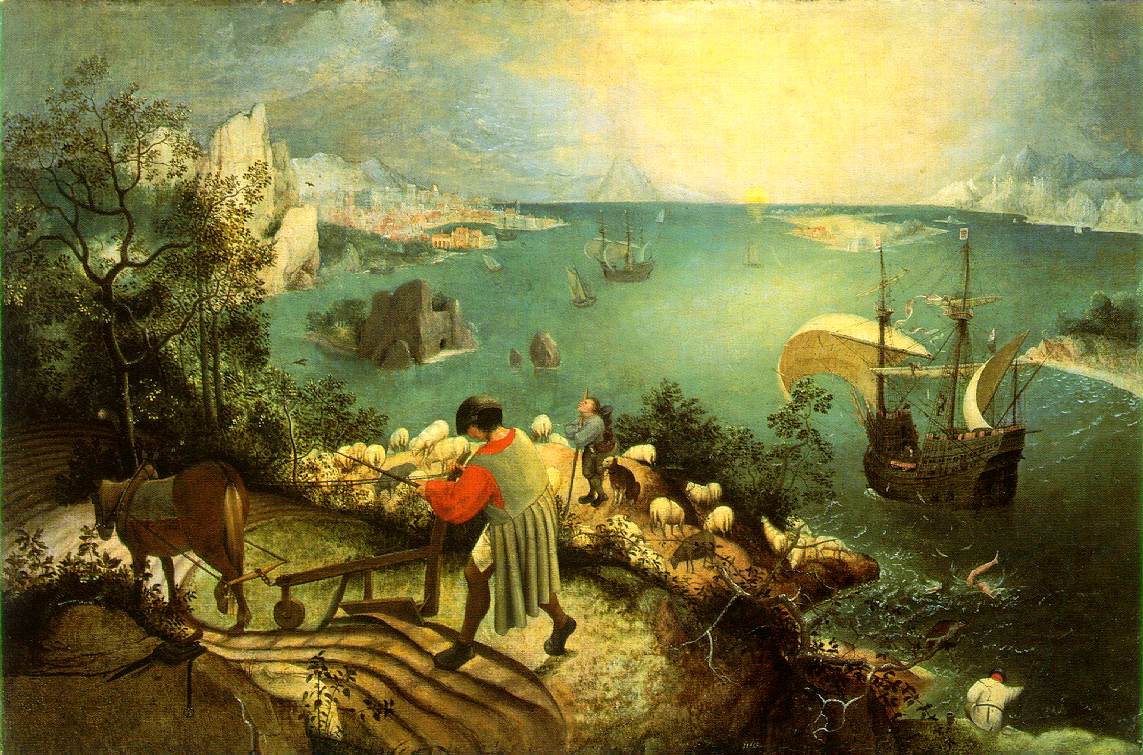 Bruegel probably painted the above landscape scene in the 1560s, and like Census at Bethlehem?it seems at first to be an ordinary scene from Flemish life. But with the help of the title--Landscape with the Fall of Icarus--you look more closely and notice two white legs sticking up out of the water in the bottom right of the painting. Icarus, of course, is the boy from the Greek myth who flew too closely to the sun and fell from the sky as a result.So, in the one painting, ordinary market day life goes on while the most important birth in history is about to take place in the most humiliating and filthy of circumstances; in the other, the plowman is pushing furrow after furrow while Daedalus's son falls out of the sky. What is Bruegel trying to tell us?
Mus?e des Beaux Arts
The Anglo-American poet W.H. Auden saw both of those paintings in 1938 while visiting the Royal Museums of Fine Arts in Brussels, Belgium, and he was moved to write the following famous poem about his insight into the paintings:
About suffering they were never wrong, The Old Masters:How well they understood its human position;How it takes place while someone else is eatingOr opening a window or just walking dully along;How, when the aged are reverently,Passionately waiting for the miraculous birth,There always must be childrenWho did not specially want it to happen,Skating on a pond at the edge of the wood:They never forgot that even the dreadful martyrdomMust run its course anyhow in a corner,Some untidy spotWhere the dogs go on with their doggy lifeAnd the torturer's horse scratches its innocent behind on a tree.In Breughel's Icarus, for instance:How everything turns away quite leisurely from the disaster;The ploughman may have heard the splash,The forsaken cry,But for him it was not an important failure;The sun shone as it had to on the white legsDisappearing into the green water;And the expensive delicate shipThat must have seen something amazing,A boy failing out of the sky,Had somewhere to get to and sailed calmly on.Mus?e des Beaux Arts (1939)
Auden's poem elaborates Bruegel's point: suffering goes on?right in the midst of ordinary life.
- One mother addresses envelopes for her six year-old son's birthday party, while another holds her son's hand as he receives his weekly chemotherapy treatments;
- One hotel room hosts a man whose wife has just left him, while another contains a pair of giddy newlyweds;
- One man picks up his coffee from the coffee shop, his only small pleasure in a day of misery, while another pays for his cup while on his way to his much-anticipated yearly hunting trip with his adult son.
As Bruegel and Auden remind us, suffering is not separated from ordinary life; rather, it's woven into it. All around us are people carrying what would seem to be unbearable burdens, people in the midst of intractable problems, while the rest of us go about daily life. I know this is true, because I hear people's stories.
Strawberries, Small Talk, and Suffering
A few weeks ago, my wife and I had planned to have my staff over to our house for lunch. Right beforehand I had heard sickening news about someone I care about, and that news was heavy on my mind. But, the news was confidential, and we were expecting lunch guests, so I tried to push it aside and jovially welcome our guests. It was a surreal contrast: curry chicken lettuce wraps and summer strawberries and small talk, while I kept thinking about the suffering person I'd just heard about not sixty minutes before.But that's life, isn't it? I hear more about other people's sufferings than the average person, perhaps, but you know about sufferings too, either your own or others, and you also know that life goes on. Bruegel was right: the greatest sufferings happen right alongside the greatest trivialities.
The Power of a Simple Courtesy
People all around us are carrying heavy burdens, and most of the time, you can't tell by looking at them. This fact makes me regret all the times I failed to show courtesy to strangers, or took unnecessary offense or became annoyed at the behavior of another person. Who knows with which secret difficulties they were ensnarled?Here's what I do know: in a world in which so many people are carrying secret sufferings, small, simple courtesies can mean the world.
"Less, But Better"
Sure, we're busy, but what are we actually getting done? Rather than getting more done, what about getting the right things done? This is Greg McKeown's suggestion in his book Essentialism. If you are anything like me, asking yourself the question "Where can I make the greatest contribution?" is embarrassing, as you'll be forced to admit that though you are very busy, much of your effort is expended in activity that takes you sideways more than it takes you forward."Less, but better" is the shorthand summary for Mr. McKeown's book--who could argue with that?Like many of these sorts of business/leadership books, Essentialism is a bit too long and contains a fair amount of filler--as if the author had a page quota he needed to hit--but I still found it worth reading. I particularly liked Mr. McKeown's insistence that every part of life involves a trade-off; instead of thinking we can avoid problems altogether, we ought to be asking ourselves, "Which problem do I want?"Short, easy read. Recommended.What can you say "No" to this week? (Very politely, of course....)
My Own Blood Never Looked So Good
 (I had my wife take this picture--I want to remember today.)
We're about halfway through 2014. How are you doing on your goals for the year?
Pull-ups
One of my goals for the year was to do 20 strict pull-ups, unbroken. ("Strict" means straight pull-ups without any swinging or "kip;" "unbroken" means 20 without coming off the bar.) This was a stretch goal for me, because at the end of 2013 I could at most do 1 or 2 pull-ups, even with a kip. My whole life had been like that: I've always been bad at pull-ups.As I've mentioned previously on this blog, I've been ruthless this year about getting up and working out early in the morning every day. Often, my morning workout called for pull-ups, and whenever that was the case, I'd use a resistance band to make them easier. But this morning, I decided to try the workout (which called for pull-ups) without a band. Over the course of today's workout, I ended up doing 60 pull-ups (in sets of 10, broken up by?other exercises), but the best part was that I was able to do the first set of 10 unbroken! (I ended up tearing my hands, but it was worth it.) So, I think my goal for the year is definitely possible.I know it doesn't sound like much, and for some of my dear readers my lowly pull-up total is a joke, but for me this morning was a big deal. I've never been so satisfied to see my own blood as I was this morning.
6 Months Left in 2014
On some of my other 2014 goals I've made similar progress, on others I have some ground to make up. Either way, as difficult as the discipline of pursuing goals is, the satisfaction of accomplishment outweighs the difficultly.So, what will you use these next 6 months to accomplish? Memorize a psalm? Run a 10k? Save $1,000? Let me know in the comments, below.
What's Best About America (& Why I'm Worried)
(The crowd really gets going at the "rockets' red glare" part, about 33 seconds in--makes my hair stand up. USA!)[7/8/14 update at 9:36 AM CDT: I've slightly edited the post for clarity.]The Framers of the American Constitution had a deeply-held belief in human sin. That clear-eyed expectation of sin?particularly the expectation that anyone is capable of using power in oppressive ways, and that given time and opportunity, anyone probably will use power in oppressive ways?is what I like best about America.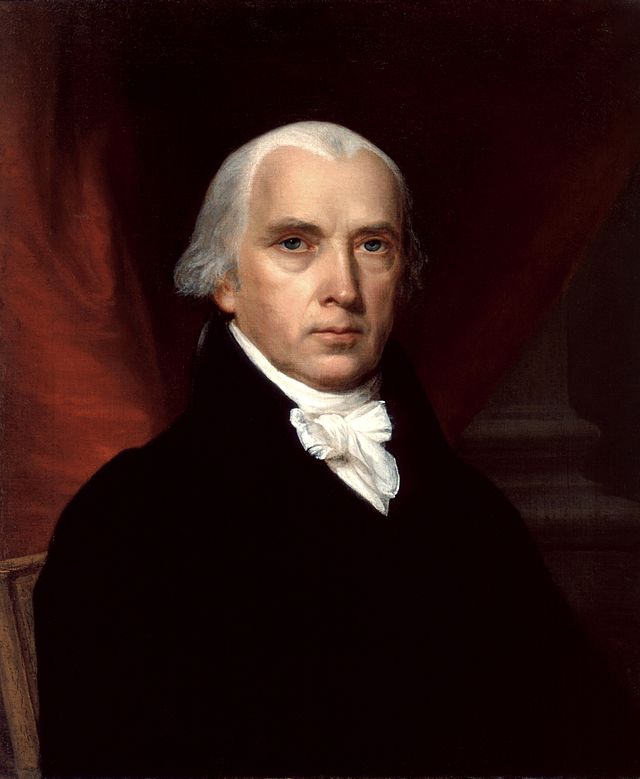 James Madison, writing in 1788 in?The Federalist #51 under the pseudonym "Publius," had this to say about the underlying philosophy of the America Constitution:
Ambition must be made to counteract ambition. The interest of the man must be connected with the constitutional rights of the place. It may be a reflection on human nature, that such devices should be necessary to control the abuses of government. But what is government itself, but the greatest of all reflections on human nature? If men were angels, no government would be necessary. If angels were to govern men, neither external nor internal controls on government would be necessary. In framing a government which is to be administered by men over men, the great difficulty lies in this: you must first enable the government to control the governed; and in the next place oblige it to control itself. A dependence on the people is, no doubt, the primary control on the government; but experience has taught mankind the necessity of auxiliary precautions.
Madison and the other framers of the Constitution were so aware of the human capacity for sin that they set up a system of checks and balances to limit sin's effects, so that power couldn't be too closely-held in any one set of sinful hands. Madison didn‘t merely want to keep permanent power away from his political enemies, he also wanted to keep permanent power away from his political allies. Madison was aware that his ideological allies were as likely to fall into sin as his ideological opponents. So, Madison and the Framers built a permanent mistrust of human nature into the American Constitution. This brilliant design has served us well for the last 200 years or so. We've had a lot of problems, but not anarchy and not tyranny.The best thing about America is the wisdom our Founders had to recognize that humans are deeply sinful creatures.? This insight of human sinfulness is, surprisingly, not universally acknowledged. 100 years ago, for example, many intelligent, educated people in the West believed that humans were on a path towards perfection. And then came the Somme.Sin is a part of every human life, and every human situation. We cannot perfect ourselves, cannot trust our best intentions. All of us, even the best-intentioned, are capable of acts of great evil. In the past 200 years, there have been countless revolutionary movements that promised freedom and justice, and a great number of them have made things worse for ordinary people rather than better. The reason revolutionary reality is so much worse that revolutionary rhetoric is because the leaders of these revolutions had no suspicion of their own intentions, no awareness that their hearts were often no more holy than the enemies they wanted to overthrow.In America, this was not the case. James Madison??if men were angels??knew that men and women were far from angelic, and he and the Framers took the human capacity for sin into account as they drew up our Constitution and the Bill of Rights.
Why I'm Worried
But I'm worried today that we've forgotten what we once knew. Today what most worries me about America is that many of us no longer believe in the universality and inevitability of human sin in all situations and in all lives.Don't misunderstand: it's not that we no longer believe in sin in general; rather, it's that we don't believe in the universality of sin; we no longer believe that?we ourselves and our people could be sinful in our actions.The American Left--particularly the progressive wing--seems only to see sin where it wants to see it.? The Left is quick to see possibilities for sin in for-profit corporations, among the rich, or in cultural systems that have in the past been used to oppress the weak. The Left is correct to see the possibilities for sin in these areas.But the Left seems blind to the possibilities for sin among government bureaucracies, among the poor, or in the progressive push to completely dismantle so-called traditional morality. The Left also seems unable to question its own crusading impulse, unable to concede that perhaps it could be mistaken in its inclinations. This is an extremely dangerous inability.To cite one recent example: The Left correctly complains that much of right-wing rhetoric about President Obama is hysterical and vitriolic. But the Left‘s response to the Supreme Court‘s Hobby Lobby case has itself been hysterical and vitriolic. Steve Coll, writing for The New Yorker‘s website, compared the Green family (the owners of Hobby Lobby) to the Taliban. I had to read the article twice to be sure he wasn‘t making a joke. Unfortunately, he appears to be in earnest; Mr. Coll also appears to be unable to see the sad irony in his use of the comparison.The American Left could use more of Madison‘s clear-eyed view of human sin. The men and women on the Left should be aware that they are as capable of using power in oppressive ways as anyone else.But my conservative readers should not be feeling too good about themselves, either. The American Right also seems only to see sin where it wants to see it. The Right is quick to see possibilities for sin among government bureaucracies, among the poor, or in the progressive push to dismantle traditional morality. The Right is correct to see the possibilities for sin in these areas.But the Right seems blind to the possibilities for sin in capitalist structures, among the wealthy, or in its media-entertainment complex. And the Right seems rarely to apply it's criticism of the Left to itself.The Right often accuses the Left of being out-of-touch with reality, unable to see the hard truths about the inevitability of sin in all human endeavors, that the Left is naively idealistic. But, the Right is capable of making the same mistakes and ignoring Madison's wisdom. To cite the clearest example of the last decade, consider the Iraq War and occupation. The leaders and planners of the war and subsequent occupation suggested that it would be relatively simple and inexpensive to remake Iraqi society. I have a hard time believing Madison would have been so sanguine. A healthy skepticism of human intentions--particularly with regard to human use of political power--and an abiding belief in the pervasiveness of human sin should have caused the architects of the Iraq War to expect more more difficulty when they laid out their plans. For example, a Madisonian understanding of the human use of power to oppress should have given the Iraq War architects the expectation that the leaders in the new Iraq would use violence against their political enemies in the same way that Saddam Hussein had formerly used it against them. Unfortunately--and I am of course only speaking as an outsider--these war architects seem to have ignored Madison's insight, with predictable results. When you forget about the inevitability of human sin and forget that you are capable of making the same mistakes that you have accused your opponents of making, you inevitably find yourself in a mess.
What the Left and the Right Share in Common
Here's the point: both the Left and the Right are capable of committing the sins that they have accused each other of making. (I know that's an obvious point, but I often find it helpful to point out the obvious.) I'm not arguing for some kind of middle or third way or saying that there is no substantial difference between the Left and the Right in American life. Rather, I'm just pointing out that a more Madisonian skepticism of our own righteousness would be beneficial for each of us, and for our ideological allies. The reason both the Left and the Right are capable of making the same mistakes is because they forget about the human capacity for sin, at least in regard to their own ideas and leaders. Both, in their own ways, believe that their ideas and practices can lead us toward perfection, that their desires are pure enough to be exempt from tendencies to self-delusion and abuses of power, and that the purity and righteousness of their desires justify any means to achieve those desires. This shared belief in their own righteousness?one of the things they have in common?is foolish and, I?d argue, un-American. And it causes me to worry. So, what should we do?
Two Things I'm Going to Do More Of
I?d like to see two changes in American public life. But, as with all changes, these must begin with each of us. I have control over no one‘s behavior but my own, just as you have no control over anyone but you. So, I want to see more of these two things in my own life:First, we need to remind ourselves that, to quote scripture, all have sinned and fallen short of the glory of God. In other words, no one is perfect, and no one‘s motives are perfectly pure. Each of us is capable of abusing power and justifying lies for our own, selfish ends. There but for the grace of God go I. I am no better than my enemies. I want to be reminded often of this sobering truth.The Christian practice of confession is valuable because it is impossible to pray a corporate prayer of confession and fail to hear the words applied to yourself. In my tradition, for example, we have a prayer of confession that goes like this:
Merciful God, We confess that we have not loved you with our whole heart. We have failed to be an obedient church. We have not done your will, we have broken your law, We have rebelled against your love, We have not loved our neighbors, And we have not heard the cry of the needy.
Every time I pray those words, I know that they apply to me: I am a sinner. I judge myself by my intentions but my enemies by their actions. In times of honesty and silence, I am forced to admit that I am not better than my enemies.Second, we need to confess our own sin and admit when our people have sinned. We cannot condemn the dirty tricks of our political and ideological enemies while turning a blind eye to those of our own people, whom we want to believe justified in their actions because we believe their ends to be so righteous. It would be powerful to hear people say, Yes, I voted for him, and yes, I broadly agree with his position on X issue, but he was dead wrong in how he spoke about his political enemies, and dead wrong to pursue power in that way, and I don‘t want to win if that‘s the way victory is achieved. I'd like to demonstrate more of this admission and honesty in my own life.What I like best about America is our Constitution‘s undergirding suspicion of power, even when used by seemingly good people. That suspicion has served us well for the last 200 years, and has kept us safe. We ignore that suspicion at our peril, but if we recover it in our own lives, our families, and in our public life together, it has the potential to keep us safe in the future.
?The Framers were not exempt from the temptation to ignore their own tendencies to sin, and the inclusion of slavery in the Constitution proved..?I am not suggesting that the current Iraqi government is as violent or oppressive as that under Saddam Hussein, but merely making the point that the years of sectarian violence that have followed Saddam Hussein's overthrow should not surprise us.
Ordination Day
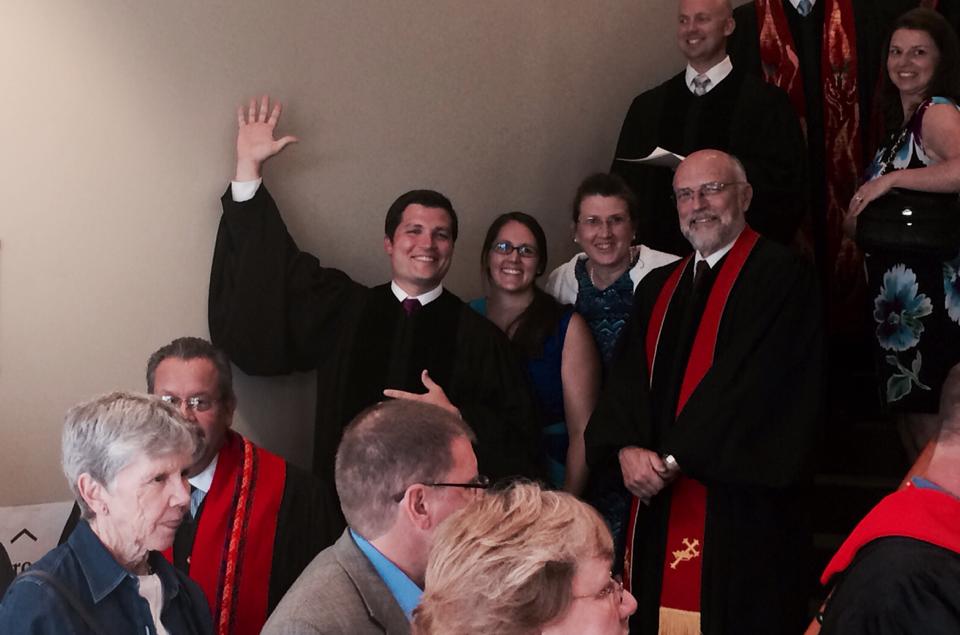 Today was a red-letter day.I don't remember my granddaddy baptizing me.I do remember my confirmation, kneeling on the lumpy pad at the communion rail in my little church, my dad--my pastor--placing his hands on my shoulders, charging me with living into the faith that the saints in the church had passed down to me.I remember my wedding day.I remember when my son was born.And I'll remember today, my ordination day. A Red Letter Day.It's very late and I have to get up early tomorrow, but here are some unsystematic thoughts on my ordination:
- It was a beautiful worship service. When I was at the communion rail listening to the choir sing and waiting for my turn to mount the steps and kneel and receive my ordination, I felt my heart would break at the beauty and power of the music and the words and the occasion.
- It's a powerful thing when the bishop places his hands on your head and commands
"David Andrew Forrest, take authority as an elderto preach the Word of God,to administer the Holy Sacraments,and to order the life of the Churchin the name of the Father and of the Son, and of the Holy Spirit."
- The responsibility feels heavy. I am now responsible for passing on the faith of the saints and the martyrs to my people. What is it Isaiah says, "Woe is me, for I am a man of unclean lips, from a people of unclean lips"? It's a serious business.
- I was convicted by the visiting bishop's sermon: the most important thing you can do is to love your people. The people at Munger, the people in East Dallas--they are the ones the Lord is asking me to care for. They are my people, and I am going to be held responsible one day for how well I loved and cared for them.
- I do actually feel different, now having been ordained. Even though few specific things in my life will change, still, something is different. I think I feel the responsibility more, and the power of it more. The bishop prayed for the Holy Spirit to pour out on me to give me strength--I'll remember that the next time I'm discouraged or feel weak.
- I felt the same on my wedding day, and numerous times since then: I am abundantly blessed to have a wife like I do, one who feels called to be my partner in ministry. We are in ministry together. She's quieter, kinder, and more faithful than me, and though I get the attention, without her, I'd struggle.
- ?My parents flew in tonight for the service and leave tomorrow. My dad is an ordained minister, as was my grandfather. I was overwhelmed during the service, thinking about what a gift my parents gave me: the gift of faith. They took their own baptismal vows seriously and raised me in the church and taught me about Jesus. It is literally a priceless gift.
- Ordination by the laying on of hands goes all the way back to Peter and Paul and Jesus himself. Amazing. The bishop who ordained me was once ordained by the laying on of hands, as was the bishop who ordained him, and so on, all the way back for 20 centuries.
- I feel totally unworthy, and at the same time really motivated to run the race set before me with endurance.
- My church and I have done this together and we are growing together.
- It was really humbling to see so many Mungarians there tonight. My wife and I constantly say to each other, "What did we do to deserve such great people, such a great church?"
- God is good, and I am so very very thankful.
My Low-Tech Secret to Getting Up Early Every Day
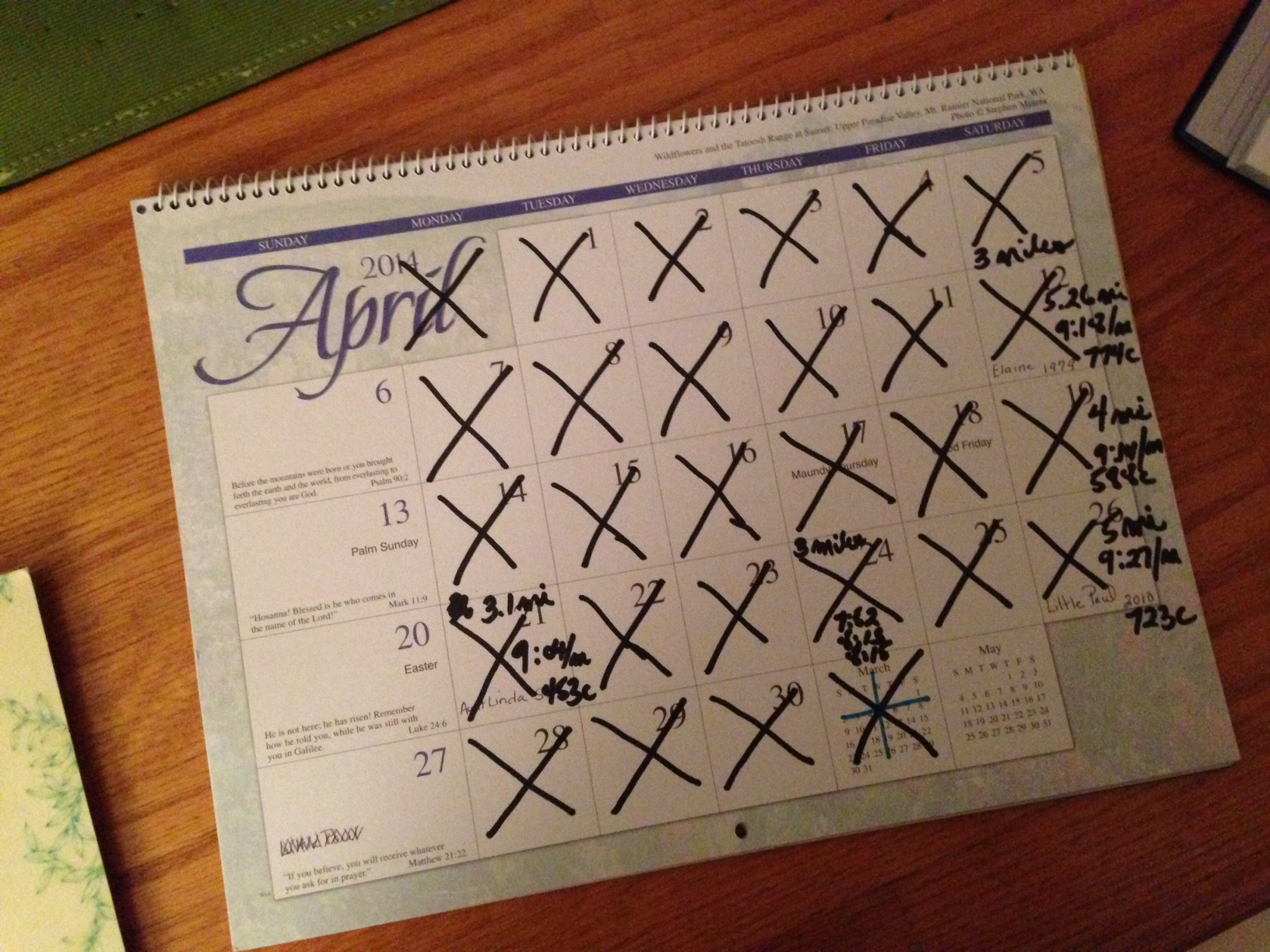 I skipped my 6:00 AM workout this morning for only the 3rd time since December 21, 2013. I've been ruthless these past 6 months about getting up early and getting a workout in.Consistently getting up early will change your life. But, it's difficult. Here's?my secret:I take a black marker and mark an "X" through that day's square on my calendar every morning when I return from my workout. It is surprisingly satisfying to make that mark each day, and to look back and see the series of "X's" earlier that month makes me feel as if I'm really accomplishing something.I get up every morning between 5:00 and 5:30 AM; some (most?) mornings, I'd much rather roll over and go back to sleep. But, knowing that the day's calendar will lack a fat "X" through it if I don't get up and go has given me the motivation to overcome the desire to go back to sleep.This technique will work for other things, too.Want‘to give up Coke?Pray every day?Stop watching?The Bachelor?Try the calendar technique and let me know how it goes. ?I have a bad shoulder and needed a rest day today. Still, part of me wishes May 22 had a big "X" through it....? I get up early on Sundays, too, but I don't workout on Sundays, and so I don't mark through the day. Plus, I like making Sundays different, set apart.
Follow This Simple Step to Get Your Dream Job Now!

One Simple Step To Your Dream Job
1. Lower your standards and come work for me. Details below.
Executive Assistant to Munger Place Pastor
This busy position provides administrative support to the Munger Place Pastor and to Munger Place Church in general, to help ensure the smooth functioning of the church and its ministries.Location:??Munger Place Church, Dallas, TXEssential duties?include the following, plus other duties as required or assigned:
- Calendar Management?(pastor and church): Maintain pastor‘s and church calendar, responding to all meeting requests, gathering relevant background materials. Confirm all appointments.
- Email/Voicemail Management?(pastor and main church account): Open and screen incoming e-mail and listen to voicemail, respond on pastor‘s behalf when possible, and forward to others when appropriate.
- Errands:?Run errands in own vehicle as needed/requested. This will include routinely picking up mail and copies from Highland Park UMC multiple times weekly.
- Office Management:? Provide administrative services such as distributing/processing mail, preparing correspondence and reports for pastor, updating membership database and running reports, processing bills for payment, receiving and directing visitors, procuring supplies for office and worship and meeting with vendors.
- Organization:? Organize, maintain and revamp as necessary church filing systems; help organize/maintain storage closets, maintain both hard and soft copies of marriage, baptism and other important records.
- Events:?Enter all events in EventU database; manage regularly occurring event registrations; prepare agendas, nametags, and support materials; communicating with key players as necessary.
- Meetings:?Assist pastor in preparing for meetings and events by providing agendas, support and background information. Attend designated meetings (with or in place of pastor), taking notes and minutes of relevant discussions, and as appropriate, interacting in ways that solve and prevent problems.
- Church Activities:? Assist as needed in church activities, coordinate and communicate with volunteers.
- Other:
- Triage, dispense and record benevolent aid according to process developed by Munger staff.
- Assist building services in keeping the church buildings uncluttered, organized, neat and orderly, bringing problems to attention of building technician.
- Be proactive within prescribed limits in foreseeing and resolving problems, as well as conducting business in ways that avoid issues.
Working Hours:??Usual hours will be Monday-Thursday 8:30-5, Friday 8:30-noon; however, these hours may be revised as needed when attendance is needed at church activities or events.We Require?a committed Christian who is comfortable working in a United Methodist Church environment, with the following qualifications:
- At least 1 year of responsible office experience
- High school diploma required, college preferred
- Must be a self-starter with a high level of initiative and follow-through, who can anticipate needs and efficiently get things done, as well as a desire for constant improvement in performance and efficiency.
- Excellent oral and written communication and listening skills, as well as good spelling, grammar, punctuation abilities.
- Highly organized and detail-oriented, capable of learning and using David Allen's GTD (Getting Things Done) system
- Excellent interpersonal and relational skills, including the ability to deal cordially and efficiently with others without being pulled into any issues or complaints they present.
- Professional attitude, appearance and demeanor, maintaining grace under pressure.
- High degree of discretion with confidential information.
- Ability to juggle multiple tasks and shift priorities as necessary, while maintaining a positive, can-do spirit.
- Capable of functioning both independently and as part of a team.
We provide?competitive pay and full benefit package, as well as a fitness facility, free garage parking, generous holiday schedule, and a fun, supportive and collaborative work environment!TO APPLY, please email the following to?jobs@hpumc.org,‘specifying Exec.Asst. in subject line:
- Resume & cover letter/email
- Salary requirement
- Your religious/church affiliation (HPUMC or Munger Place membership not required)
No calls, please.- See more at: http://www.hpumc.org/about-us/employment/job-opening-executive-assistant/#sthash.S1NjEzC5.dpuf
My One Major Problem With the "Noah" Movie
 I loved the first 2 hours of Darren Aronofsky's?Noah. I have no problem with the creative liberties Mr. Aronofsky takes with the source material--in fact I loved his creativity. Below, I'll tell you what I appreciated. But first....Here's My Problem With?Noah?(no spoilers here):In a masterful way, the film's message couldn't be more?clear, true, or terrifying: humans are a violent, selfish, sinful race, and there is no hope for us. We cannot save ourselves.And then the final 18 minutes makes this point: "After the Flood, the good news is that humanity--led by Noah--now gets to save itself."See the problem?
- Minutes 0-120: humanity is a mess and cannot save itself.
- Minutes 121-138: humanity will now save itself.
Even artistically, the ending doesn't fit with the rest of the movie.In a very sad way, Darren Aronofsky's conclusion undermines what he has been trying to tell us and proves how deeply our delusion goes. "We are a mess and we will never be able to save ourselves....Unless we try really hard and save ourselves." This is the extent of our wisdom.The Great War began 100 years ago this summer. The best and the brightest of European culture and society were convinced that such a war was impossible, because humankind was now enlightened and rational. And then came the Somme.The last 100 years ought to have caused Mr. Aronofsky to be more cautious in his movie's conclusion, but the sad story of humanity is that we never learn.As I mentioned, I have no problem whatsoever with the major creative liberties Mr. Aronofsky took with the Genesis material. But, I do have a major theological problem with Mr. Aronofsky's ultimate conclusion. The Genesis account couldn't be clearer: humanity is just as messed up after the Flood as before.If the last 18 minutes were different (and it wouldn't have required much to change the final message),?Aronofky's?Noah would have been a great movie. As it is, I think it's one more example of humanity's problem. Here's What I Loved About the Movie (Spoiler Warning):
- Noah's retelling of Genesis 1 to his family. The visuals that go along with his retelling are beautiful, interpreting the deep theology and poetry of the Creation account in ways I've never seen before.
- "The Watchers." The Watchers are fallen angels, and though I was initially skeptical when they appeared on the screen, I quickly appreciated their part in the story. The Watchers are fallen angels not because they rebelled against God by wanting to take his place, but because they rebelled against God by wanting to help humanity too much. There is a lot of wisdom in that understanding of sin. Their curse is to become part of the earth, and so they appear as rock giants.
- Noah's self-understanding. Noah sees himself as totally flawed and unrighteous and believes his only role is to steward creation, and then die.
- Noah's family dynamic. I think the tension that Noah's devotion--obsession?--causes in his family rang true.
- The Flood itself. Terrifying and utterly believable.
- All the small, human details. The scene where Noah's family is in the Ark and hears the screams of those bereft outside? Wow.
- Actually, I loved pretty much everything about the first 120 minutes of the movie....
UPDATE:?Over at?First Things, Wesley Hill has the same problem with?Noah that I do, but says it better.
3 Things I Learned From a Week Without Screens
As part of?our church's Lenten campaign, my family and I just spent the last week abstaining from screens for purposes of entertainment. (No tv, blogs, streaming video, etc. Unfortunately, I still had to use email for work, etc. Wouldn't that be nice?....)Here are 3 things I learned from the experience. The 1st is obvious and expected, the 2nd and 3rd surprised me:
- I'm a lot more productive when I'm not tied to my phone or computer.
- My stress level is lower when I'm not absorbing content from the internet, because
- Much internet content focuses on fomenting outrage. We are a people of grievance and offense. A friend of mine called me midweek and asked me about something that had occurred that had gotten the internet outraged and it was a relief to say that I knew nothing about it and didn't care. I don't need more petty outrage in my life. If you took away tweets and blog posts and articles that express offense or outrage--and took away pornography, sadly--how much of the internet would be left?
It's startling how quickly something that's clearly not a necessity--screens for entertainment--can shape our ways of living and interacting. What about you--how are screens shaping how you live, work, or parent?
The Problem of the Breaking Bad Pastor
 Question: Is it okay for pastors to get rich by doing the work of ministry?Over at First Things, James Duncan has written a brief essay with a provocative title: "Celebrity Pastors' Walter White Problem." He summarizes the problem for many celebrity pastors, namely that they make a lot of money from their churches, but then have a difficult time spending it, as no congregation likes the idea of a lavish pastoral lifestyle. Their situations are similar to that of Walter White, the anti-hero of the television show "Breaking Bad," who made millions from dealing drugs, only to find himself unable to spend the money without clearly advertising his illegal activity. The post is worth reading. On the One Hand, Yes: They Are Talented, Hard-Working GuysI don't know any celebrity pastors, but I do know a little bit about the pastoral ministry, and it's obvious to me that the celebrity pastor church-growth types are enormously talented entrepreneurial individuals. Were they not in the ministry, they would be very effective leaders of other large organizations. Also, it's impossible to be a celebrity pastor and not be an excellent public speaker. All of these guys, had they been generals or C-level executives, would be earning a lucrative living on the speaking circuit. Additionally, the celebrity pastor is almost always a best-selling author. It's hard work to write a best-selling book--shouldn't that hard work be rewarded?It seems unfair to restrict their earning potential just because they chose to work for the church. On The Other Hand, No: Pastoral Ministry Shouldn't Be About Making MoneyThe talent of the celebrity pastor is not the issue--the issue is integrity. It is hard not to question the integrity of a celebrity pastor who becomes wealthy through the work of ministry. Some Observations About Wealth and the Church
- The pastor's authority is mainly a moral authority, authority that is enhanced when the pastor is seen to be living more simply than his or her peers, authority that is diminished when the congregation sees the pastor living at a standard far above most of them. I think the appeal of Pope Francis is due in large part to his well-publicized simplicity.
- It's easy to criticize people who are in situations different than your own. Would I be able to resist the temptations to wealth that so many celebrity pastors face? I'm not sure.
- The vast majority of pastors in the world are faithful people who sacrifice for years, doing difficult work for very little pay.
- Compared to many (most?) pastors in the world, I am extraordinarily well-paid. My lifestyle and that of my grandfather, who pastored a rural church on the Eastern Shore of Virginia during the Great Depression, are vastly different; mine is much more comfortable than his ever was. It would be the height of hypocrisy for me to throw stones at wealthy celebrity pastors while justifying my own lifestyle.
- On the other hand, it is not hypocritical for me to admit that both I and the celebrity pastor have a problem with money.
- But this problem is not exclusive to those of us in the pastoral ministry: anyone reading this is many times more wealthy than the majority of the people on this planet. We need to beware the self-righteousness that comes from comparing ourselves to a few wealthy outliers while ignoring our own unseen and suffocating materialism.
Conclusion: It's All About MeI don't know any celebrity pastors, and so I can't speak to the condition of their hearts. What I do know is my own heart, and it is a greedy thing, and materialism is my disease. It's easy for me to criticize others' financial choices, but much harder for me to live at a lower standard of living than I can afford. Maybe the benefit of the recent attention paid to the lifestyles of celebrity pastors is that it forces me to ask: "Lord, what do you want me to do with what I've been given?" One day, I'll have to answer only for myself. I'll let God be the judge of the others.

Words I Can Believe in on Valentine's Day

 Though I may speak with bravest fire,And have the gift to all inspire,And have not love, my words are vain,As sounding brass, and hopeless gain. Though I may give all I possess,And striving so my love profess,But not be given by love within,The profit soon turns strangely thin. Come, Spirit, come, our hearts control,Our spirits long to be made whole.Let inward love guide every deed;By this we worship, and are freed.--Hal Hopson, 1972
![Are Miracles Possible? [Science & Faith, part 2 of 3]](https://images.squarespace-cdn.com/content/v1/5d70f59aefca59000162e4e6/1568657674041-KKAMA1U4NWETNGFV6AIP/image-asset.jpeg)
Are Miracles Possible? [Science & Faith, part 2 of 3]
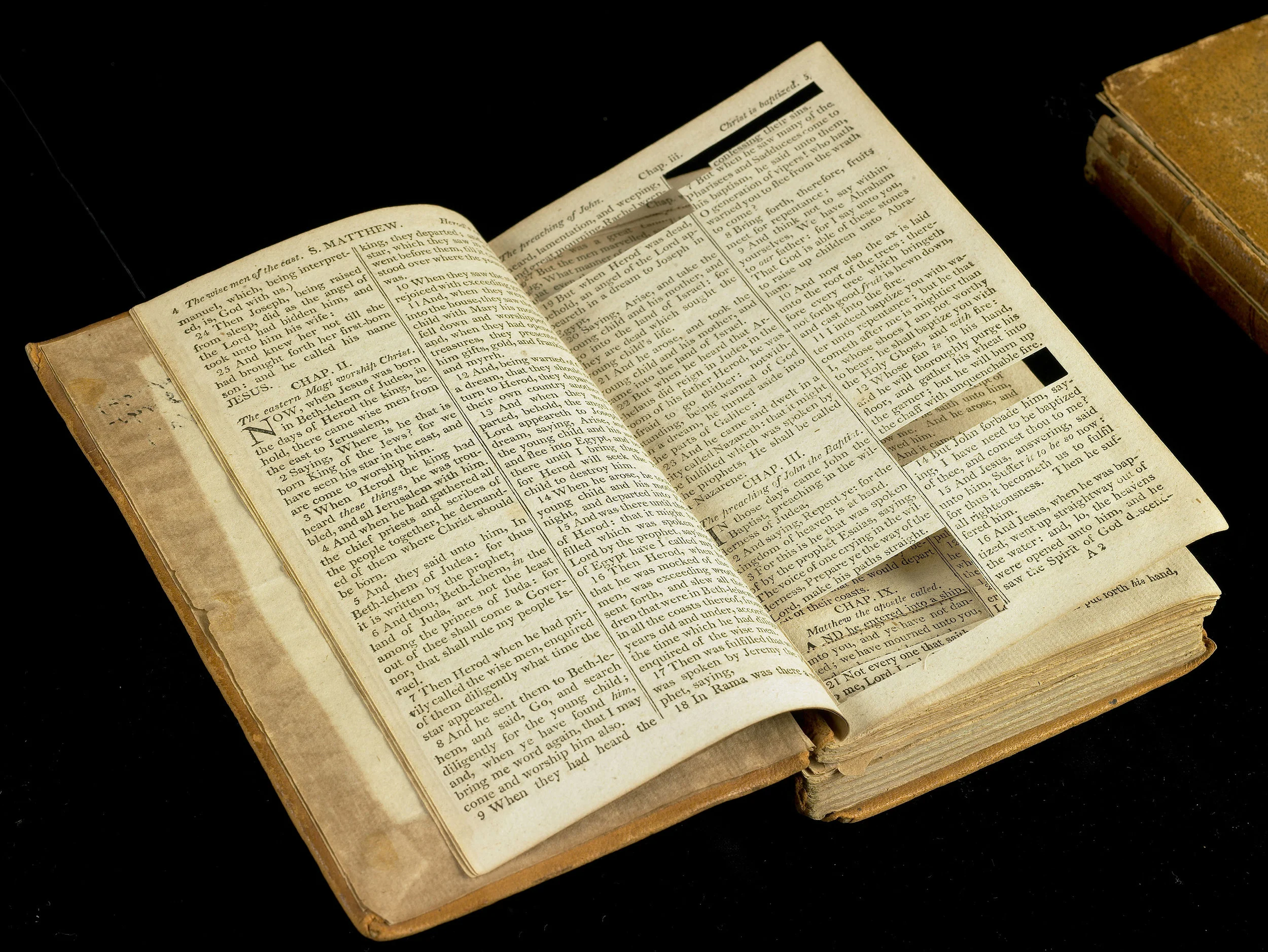
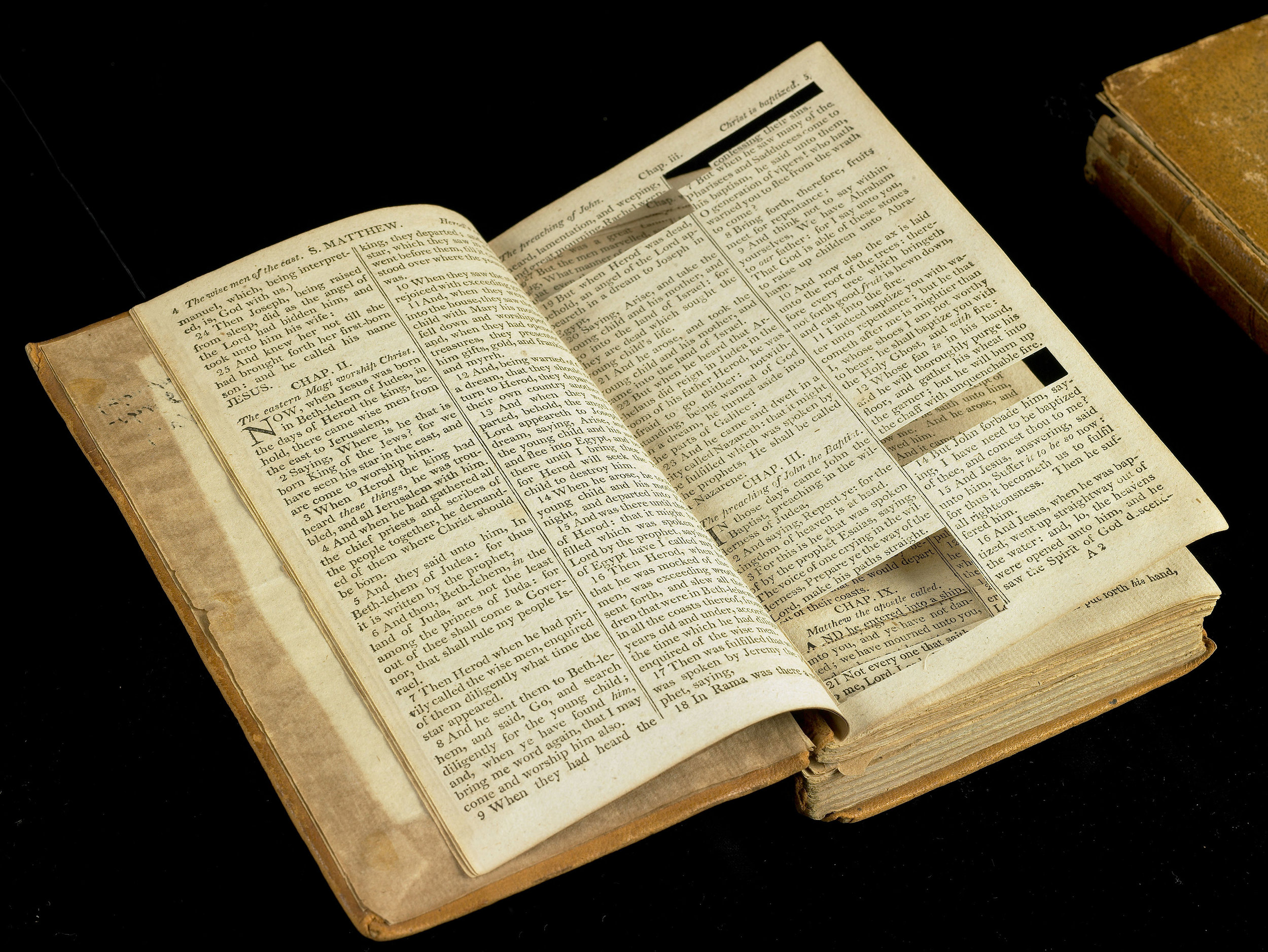 My fellow Virginian Thomas Jefferson liked Jesus but wasn't sold on all the miracles in the Gospels. So, he cut them out, leaving his Bible full of holes.Was he right? Are miracles impossible?Option 2In answering the question, "Can Science and Faith Be Reconciled?," some people take option #2 and reply, "No, because faith is based on the miraculous, and we know that miracles cannot happen." Circular ReasoningThe problem, if you're not careful, in stating categorically that miracles cannot happen is that it can lead you into a circular argument. When pressed, many of us would have to say that miracles cannot happen because we know that they don't happen. But, that's not really much of an argument.Before we can be certain that miracles?cannot happen, we have to do the hard work of investigating claims of the miraculous. For example, before we can be sure that the Resurrection--the most famous miracle in history--did not happen, we need to examine it.What About David Hume?
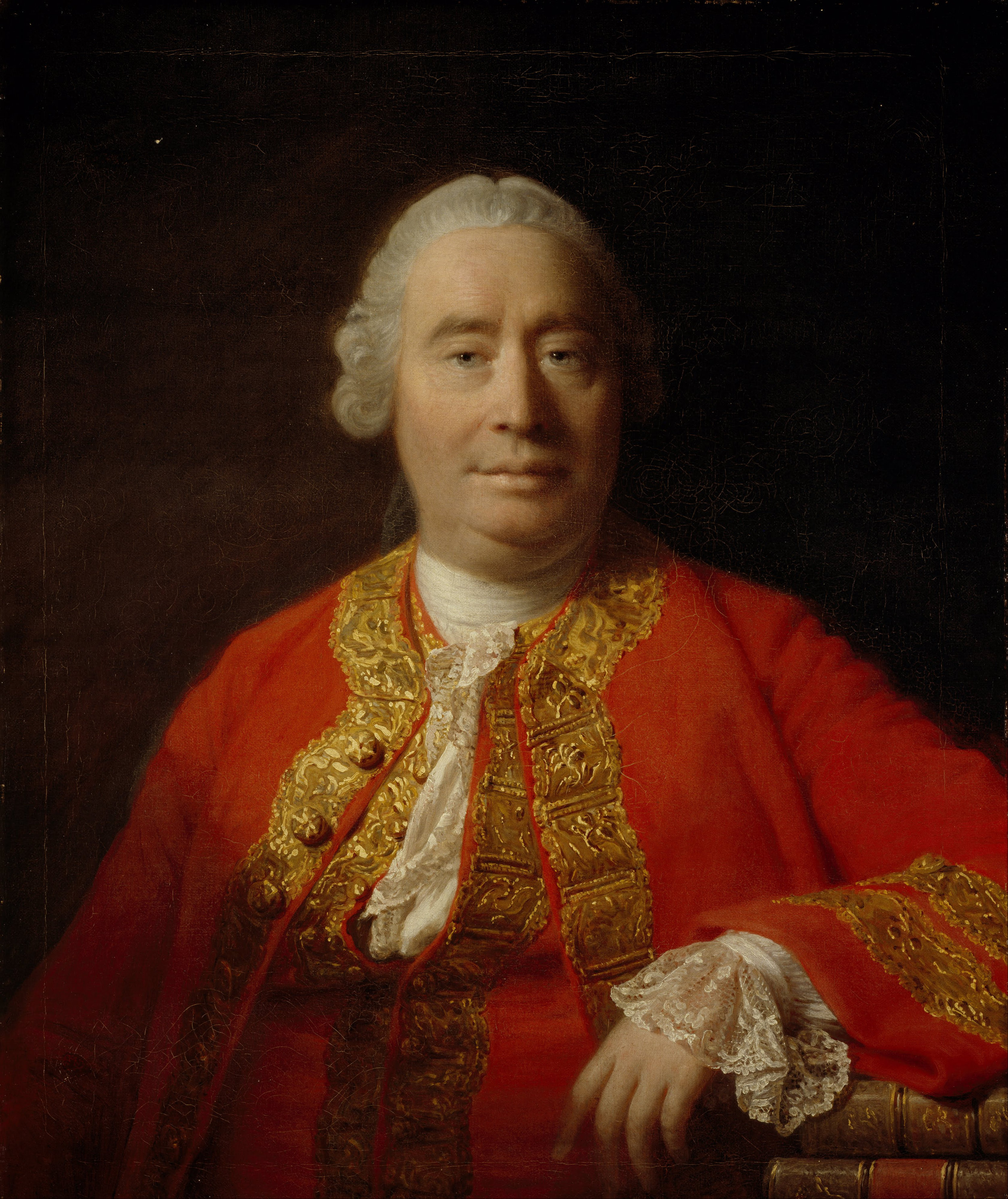 The great 18th century Scottish philosopher David Hume made some very effective arguments against the possibility of the miraculous, and his critique effectively kept generations of free-thinking Westerners from accepting the miraculous. But, although much of Hume's work has held up well, his argument against miracles has been discredited by modern philosophers. For example, the philosopher John Earman even wrote a book called?Hume's Abject Failure: the Argument Against Miracles.There are many reasons not to believe in a particular miracle, or even in all miracles, but categorically declaring that the miraculous?cannot?happen goes too far. Blind FaithMany religious people have gone in another direction. Admitting rationally that miracles don't happen--accepting the Enlightenment bias against the miraculous--they have white-knuckled-forced themselves to believe. Along this route, faith is what you are supposed to believe even though you know the things you are supposed to believe are impossible. This version of blind faith is dangerous and is one reason many people raised in rigidly fundamentalist churches and homes often completely reject their faith when they leave home: they encounter intelligent arguments against what they previously held in blind faith, and, at a loss, everything they once believed unravels. SummaryWe can't categorically reject miracles, and we also shouldn't accept some version of faith that is completely irrational and unthinking. When it comes to the question, "Can science and faith be reconciled," we need another option....