

How My Friend Mike Found His Way Back

It's sad but true: "pain is God's megaphone to rouse a deaf world." What C.S. Lewis meant by that phrase is that it's often not until we are really hurting from self-inflicted wounds that we are ready to turn from running away from God to running to God, only to find that the God is there to welcome us home. My friend Mike's story of redemption and healing is one more example of this pattern. And it's a great story....On Highland Park United Methodist's website, Mike tells of his anguish after learning his marriage of 12 years was ending:
I was in the backyard with our three dogs (two of whom were about to move away) and I fell to my knees and starting howling like a wounded animal. Eventually, it resolved into something resembling words, 'Oh God, Oh God, Oh God?'"
God put great people in his life at exactly the time Mike needed them, and one of them invited Mike to both our church and his men's group. I remember well the first interaction I had with Mike, which he describes here:
I made arrangements to meet with Josh [Mike's friend and a member of my congregation] and he left me with one key takeaway: I should join him and Kimberly [Josh's wife] at Munger Place Church that Sunday. I wasn‘t particularly interested, but I was too weak to say no.I walked into Munger, my first steps into a church for the better part of 20 years. I was pleased to find that the music was incredible. I was further pleased and surprised to find that Rev. Andrew Forrest‘s sermon was both thoughtful and gracious towards those who weren‘t all-in. I agreed to come back for a second week.That second week, Rev. Forrest preached about a mishap in a river that led him to realize that swimming against the current is a fruitless and tiring exercise. It touched my heart and I felt better for the first time in a month. I wasn‘t ready to believe, but I?d at least see where the current would take me.I arranged to have breakfast with Rev. Forrest and nervously posited that I wanted to be a part of the community I saw growing at Munger. But, I wasn‘t sure that I believed. Was there still room for me? (In retrospect, I can almost see Rev. Forrest reeling the fishing line as he welcomed me.)"
(What Mike calls "reeling the fishing line" was really just the grace of God hooking and bringing him in!)
God Really Does Want Good Things for Us
Neither Mike nor I believe in the so-called prosperity gospel, i.e., the idea that God just wants to make us healthy, wealthy, and wise. After all, Christ was crucified, and sometimes the "prosperity" that God has in mind for us is cultivated in difficulty and suffering.But, I also don't believe that God wants us to suffer, and I definitely believe that God wants to bless us. In Mike's case the blessings that have resulted from him stumbling back to the Lord have been abundant:
Through my time in that group [a men's group to which he was invited], continued immersion at Munger, a little C.S. Lewis, and a lot of Tim Keller, within a couple months, I returned to the fold. I believed as I never had before. I prayed a lot. I started doing all I could to make up for lost time, joining in a mission trip with 28:1 and making room for Jesus in every day. I'm not one to subscribe to the so-called prosperity Gospel,?. But I found myself thriving in all areas of my life, including the launch of a successful new business venture that put me in a position to influence clients, employees and the public.I felt His hand in my life in a way I?d never imagined.You?ll remember there was a second name that God put in my head [after Mike's cry of desperation in his backyard]. That was Crystal Decker, a woman I?d never met. Somehow through business connections she?d wound up a Facebook friend. I recalled she and her husband handling their social media-age divorce as well as I thought it could be done.I met her and she quickly became my divorce coach, then a friend, then my best friend. She was a great advocate, but seemed pretty hard-boiled. So I was surprised when one Sunday she asked if she could go to Munger with me. She had avoided church for a long time too and thought Munger sounded like a place where 'thinking people of faith could be in a community without being talked down to every week.'Crystal and I married at Munger Place on October 5, 2013."
I was honored to officiate at Mike and Crystals' wedding. You should read Mike's entire (relatively brief) story here. It's a great story.Please read the whole thing.
One Result of This: A One Day Conference on Faith in Business
Mike would be the first to tell you that he's not perfect and doesn't have all the answers. But what he does have is faith in a God of grace and love and power, and Mike is doing the hard work of what it means to be an imperfect follower of Jesus. As a follower of Jesus and a successful digital entrepreneur, Mike finds himself asking, "What does it look like to be faithful at work?"As part of his attempt to answer that question, Mike and some other folks are putting on a conference called Faith in Business that we're hosting at my church on Friday, May 1. It's only $15, and that includes lunch! Mike Ullman, the longtime CEO of JC Penney, as well as other folks, will be there.We'd love to have you. More info here.

Should a Pedophile Have Unsupervised Access to Your Child?

No healthy parents would ever allow their children to spend unsupervised time with a pedophile. But, in essence, that's exactly what millions of parents do when it comes to their children and the internet. The internet brings into our houses?dangers that our parents never had to worry about, dangers about which you and I had better be worried. I am worried; for me, the?challenge of raising a child in today's sexualized culture is terrifying
Preying on Children By Any Means Available
On Monday, the front page of my local paper had a story about a former teacher who has been sentenced to 60 years in prison on child pornography charges. It's a very disturbing story; the teacher, who preyed on teenage boys, would send them pictures of naked women, claim to be a woman, and ask the boys to send him naked pictures of themselves in return. The teacher would then blackmail those boys who sent him photos into sending him more photos, and worse. From the?Dallas Morning News:
Many of his victims for months and even years had no idea who did this to them, Johnson said. They were constantly looking over their shoulder and paranoid,? she said. To them, it was just a matter of time? until their photos would be revealed, she said.Some parents noticed that their grades suffered and they lost interest in sports, she said."
The teacher made contact with the boys through various "hook-up apps" on their smart phones.I wish this were one isolated incident. Unfortunately, we know that the dangers to children that the internet presents are ubiquitous.
3 Guarantees About Our Kids and Online Sexual Content
I guarantee you that if you have a boy of adolescent age and older, he is looking at internet pornography. If you have never addressed the issue of pornography with your son or if you have not taken any steps to restrict his internet access (see below), I guarantee he is looking at pornography. I‘think moms especially have a hard time acknowledging or admitting that their boys are furtively looking at pornography, but it is true. (Of course, the sad truth is that many boys and girls much younger than adolescents are also exposed to pornography. Young children are not safe from these dangers, and neither are our girls.)I cannot imagine what it must be like to be an adolescent boy these days and have hardcore pornography available after a few short taps on a smart phone. (Like most men of my age and older, I sincerely thank God that I grew up in the days before internet pornography.) You may think, "Not my son--he's not like that." You are being recklessly naive.I guarantee you that there are bad people out there who will use whatever technology available to prey on children. As soon as a new app is invented, someone somewhere is using it for evil purposes.I guarantee you that if you don't take steps to protect and educate your children, no one else will. Our primary responsibility as parents is to keep our children safe. But, in the cesspool that is our popular culture, how do we do this?
Parenting in a Sexualized Culture
We can't get away from the filth of our culture--it's everywhere. What we can do, though, is take the necessary steps to protect our kids, and, more importantly, educate ourselves and our kids about these issues.First: Install A Filter on Your Home Router ASAP. At my house we use Open DNS. Though there is a free version, I pay the nominal fee ($19.95 a year) for the enhanced features. By no means does a filter mean that we don't have to worry, but it is a necessary step. There are lots of different options out there--pick one and implement it ASAP.Second: Educate Yourself?About Parenting in a Sexualized Culture. I know absolutely nothing about how to parent in a sexualized culture, but there are people out there who have wisdom to share. One such group is a Christian non-profit called pureHOPE. Last year at my church, we hosted pureHope's?Dan Martin?who taught a course on the topic of "Parenting in a Sexualized Culture." My wife attended Dan's course and was both frightened by the reality of what we face as parents and at the same time encouraged by the wise, practical content that Dan shared.At the very least, you should spend some time on the pureHOPE site and familiarize yourself with their content. On top of that, I'd recommend seeing if your church or community group can bring out Dan or another one of the pureHOPE presenters to teach on this vital topic. (I'm sure that there are other great ministries doing work like pureHOPE--I just reference them because I can personally attest to the wisdom they have to share.)
None of Us Would Ever Allow Our Children to Spend Time with Pedophiles
So, why do we allow our kids unfettered access to the Internet, and why are we so determined to bury our heads in the sand and pretend that this stuff has nothing to do with our families?It's time for us to wake up and do the hard, necessary work of preparing ourselves and our children to navigate this sexualized culture.
Why I Blog
Leadership is about influence, and it's primarily about the influence of ideas. I started blogging because I believe that ideas matter, and I want to be engaged in the public wrestling over which are the true and which are the false ideas. Ideas matter. In fact, as John Maynard Keynes reminds us, history is driven by ideas. ![F. Verhelst [http://goo.gl/jXjUOP]](http://static1.squarespace.com/static/5d70f59aefca59000162e4e6/5d7fcef39f682762992c8aca/5d7fcf049f682762992c8ce5/1568657156994/hanging-light-bulbs-lighting-askcom-image.jpg?format=original)
[Ideas], both when they are right and when they are wrong, are more powerful than is commonly understood. Indeed the world is ruled by little else. Practical men, who believe themselves to be quite exempt from any intellectual influences, are usually the slaves of some defunct economist. Madmen in authority, who hear voices in the air, are distilling their frenzy from some academic scribbler of a few years back.... Soon or late, it is ideas... which are dangerous for good or evil."John Maynard Keynes from the conclusion of his General Theory?[1936](quoted in "Lessons in Statecraft," by George Weigel,?First Things, May 2015)

My Grandfather's Grandfather

The Civil War ended exactly 150 years ago today, April 9 1865, and my grandfather's grandfather was there.
In the Living Room of Wilmer McLean
After an early morning skirmish revealed that the Confederate army had no options but to surrender, General Robert E. Lee, the commanding general of the Army of Northern Virginia, said this to one of his officers: "There is nothing left for me to do but to go and see General Grant, and I would rather die a thousand deaths."Lee and Grant met in the brick house of one Wilmer McLean, who, having lived in Manassas Junction during the first battle of the Civil War, the First Battle of Bull Run, had retired to Appomattox, only for the war to end in his parlor. In his memoirs, Grant records what happened next:
When news of the surrender first reached our lines our men commenced firing a salute of a hundred guns in honor of the victory. I at once sent word, however, to have it stopped. The Confederates were now our prisoners, and we did not want to exult over their downfall."Personal Memoirs of U.S. Grant,?Chapter LXVII
The Terms of Surrender
The terms of the surrender were very generous and allowed the Confederate soldiers, their officers having sworn that they would not take up arms again against the Union, to leave for home almost immediately. In his memoirs, Grant explains what he was thinking when he was drawing up the terms of surrender with General Lee:
I then said to [General Lee] that I thought this would be about the last battle of the war--I sincerely hoped so; and I said further I took it that most of the men in the ranks were small farmers. The whole country had been so raided by the two armies that it was doubtful whether they would be able to put in a crop to carry themselves and their families through the next winter without the aid of the horses they were riding. The United States did not want them and I would, therefore, instruct the officers I left behind to receive the paroles of his troops to let every man of the Confederate army who claimed to own a horse or mule to take the animal to his home. Lee remarked again that this would have a happy effect."
The Young Man Who Walked Home from Appomattox
My grandfather's grandfather, a Confederate private in Lee's army, was there in Appomattox when the war came to an end, and being in the infantry and so having no horse or mule, walked home from Appomattox. He lived to be a very old man, and when I was a small boy I loved to hear my grandfather tell us stories about the young man who walked home from Appomattox.

Did the Resurrection Really Happen?

Did the Resurrection actually happen? The Apostle Paul, writing in sometime in the 50's A.D., had this to say: "If Christ has not been raised, our preaching is useless and so is your faith" (1 Corinthians 15:14). In other words, Christianity rises and falls with the Resurrection of Jesus. But, the issue for many modern people is that though the Resurrection seems like a nice story, we know that dead people stay dead and that it couldn't possibly have happened. So, did the Resurrection happen, or not? I think it did, and here are three reasons why.
(By the Way: It Wasn't a Spiritual or Emotional Resurrection)
As a way around the difficulty of the Resurrection, some people say that what the Gospels report is some kind of spiritual or emotional sense that Jesus was still with his disciples after his death. This view does not at all match what the Gospels themselves say, namely that after the Resurrection:
- Jesus ate food (Luke 24:13-32 & John 21:1-14) and
- Jesus made physical contact with the disciples (Luke 24:36-43 and John 20:24-29).
The Gospels are very clear: the Resurrection was a bodily resurrection, and not a vague spiritual sense that Jesus was still alive.So, what reasons do we have to believe that the Resurrection happened?
Reason 1: The Women Witnesses
All the canonical Gospels agree that the first witnesses to the empty tomb and the Resurrection of Jesus were women. In our world, that detail doesn't surprise us, but in the ancient world this would have been a shocking detail because women weren't considered reliable witnesses in the ancient world.If you were making up a resurrection hoax in the 1st century Mediterranean world, you would never say that women were the first witnesses of your story. So, why do all the gospels insist that women were the first witnesses?The simplest reason for the inclusion of the women witnesses: because the Gospels are merely reporting what actually happened. The inconvenient truth of the women witnesses is a detail that argues for the plausibility of the Resurrection.
Reason 2: The Deaths of All Involved
Many people have died for lies that they believed were true, but groups of people do not die for what they know is a lie.Virtually all the disciples of Jesus were martyred for their faith in him. If they were making up the Resurrection, then they would have recanted their stories at the point of death. But they didn't. Chuck Colson, one of the Nixon men involved in the Watergate break-in, had this to say:
I know the resurrection is a fact, and Watergate proved it to me. How? Because 12 men testified they had seen Jesus raised from the dead, then they proclaimed that truth for 40 years, never once denying it. Every one was beaten, tortured, stoned and put in prison. They would not have endured that if it weren't true. Watergate embroiled 12 of the most powerful men in the world-and they couldn't keep a lie for three weeks. You're telling me 12 apostles could keep a lie for 40 years? Absolutely impossible.
Chuck Colson
The martyrdom of the early Christians is a strong argument in favor of the truth of their claims.
Reason 3: It Was Testimony, Not Legend
Modern people will say that the Resurrection is a legend, a folktale that took shape over generations and that consequently grew in the telling, like George Washington and the Cherry Tree.The problem with this theory is that it doesn't fit the facts: the letters of Paul began to be circulated around 20 years after the death of Jesus, the Gospel of Mark within 40 years, and the Gospels of Matthew, Luke, and John within 60 years (at the latest). In other words, Christians were publicly talking about the Resurrection within the lifetime of its witnesses. Anyone who wanted to investigate the truth of the Resurrection merely had to talk to its witnesses.A legend takes generations to develop, but the Gospels (and other New Testament materials) were written down and circulated within a generation or two of the events of that first Easter Sunday, i.e., way too soon a time for a legend to develop.Rather than being a legend, the Resurrection was testimony. Testimony is a valid form of historical memory. People who experienced the events say, "I was there. I saw it." January was the 70th anniversary of the liberation of Auschwitz, and there are thousands of people who lived through the Nazi concentration camps who can still testify today to their experience, 70 years later. One of the reasons Holocaust deniers have a hard time gaining a hearing is because there are people who can point to their blue tattoos and say, "No, it did happen: I was there."
 Just as the remaining Holocaust survivors' testimony is available to anyone wanting to investigate the Holocaust today, so the Resurrection witnesses' testimony was available to anyone wanting to investigate the Resurrection at the time that the New Testament was taking shape.
Conclusion: the Resurrection is Plausible
The Resurrection cannot be proved in a laboratory. But, we can examine the facts and decide that it is more plausible that the Resurrection happened than that it did not happen.Now, some people will accept the above and yet still insist: "We know that dead people stay dead, and therefore the Resurrection could not have happened." The problem with that position is that history is full of events that seemed impossible and that actually happened. I admit that the Resurrection is unique as an historical event, but that doesn't mean that it is necessarily impossible. In any historical inquiry, we have to look at the evidence and see where it takes us. In this case, I believe the evidence argues in favor of the Resurrection.The reason discussions like this are important are not because they can bring anyone across the threshold of faith (only God can do that), but because I've found that some people won't even approach the door of faith if they believe that the claims of the faith cannot possibly be true; arguments can't cause someone to believe, but they can knock down bad reasons for not believing.Here's hoping this little post might help someone somewhere come a bit closer.
A Movie I Won't Soon Forget

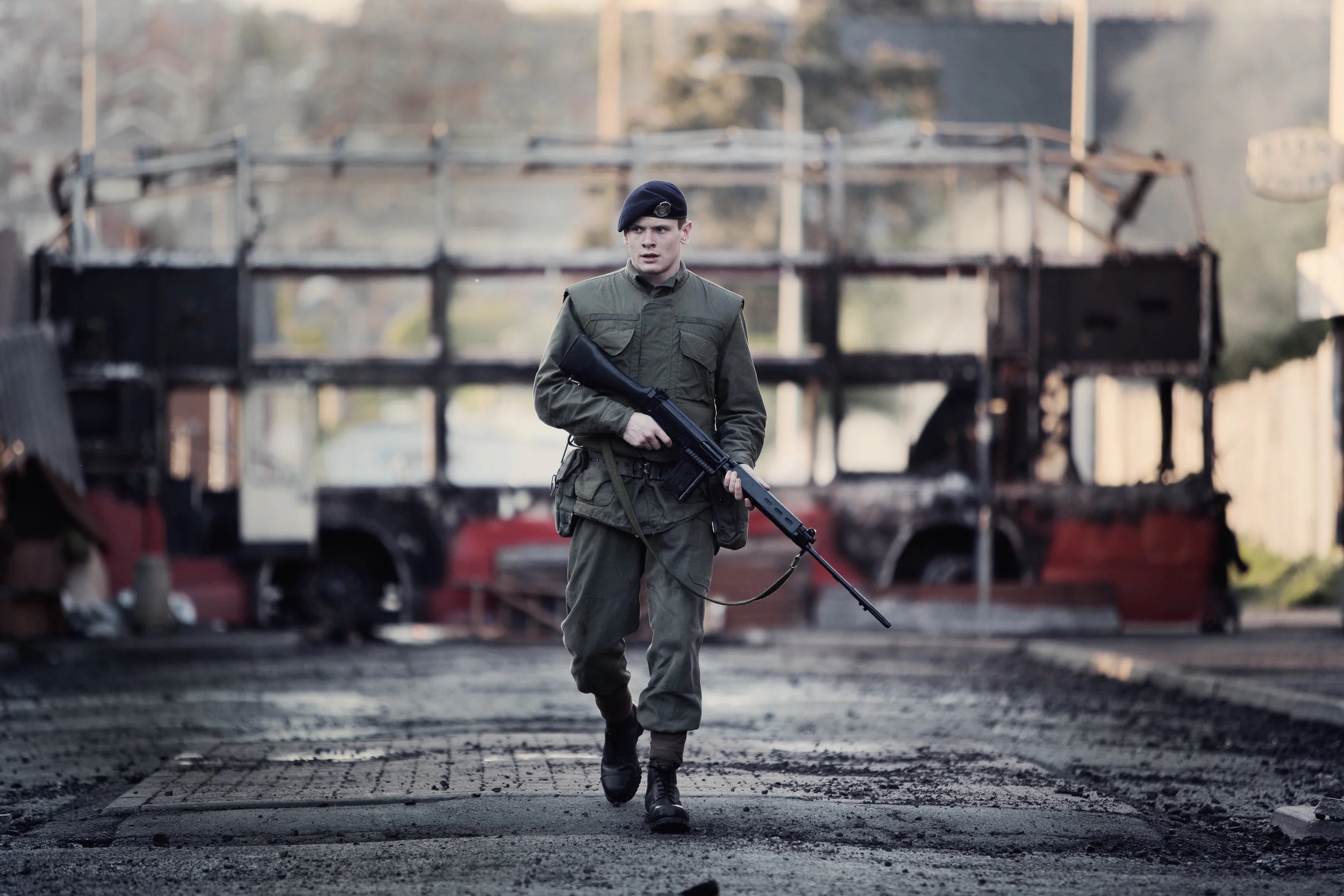
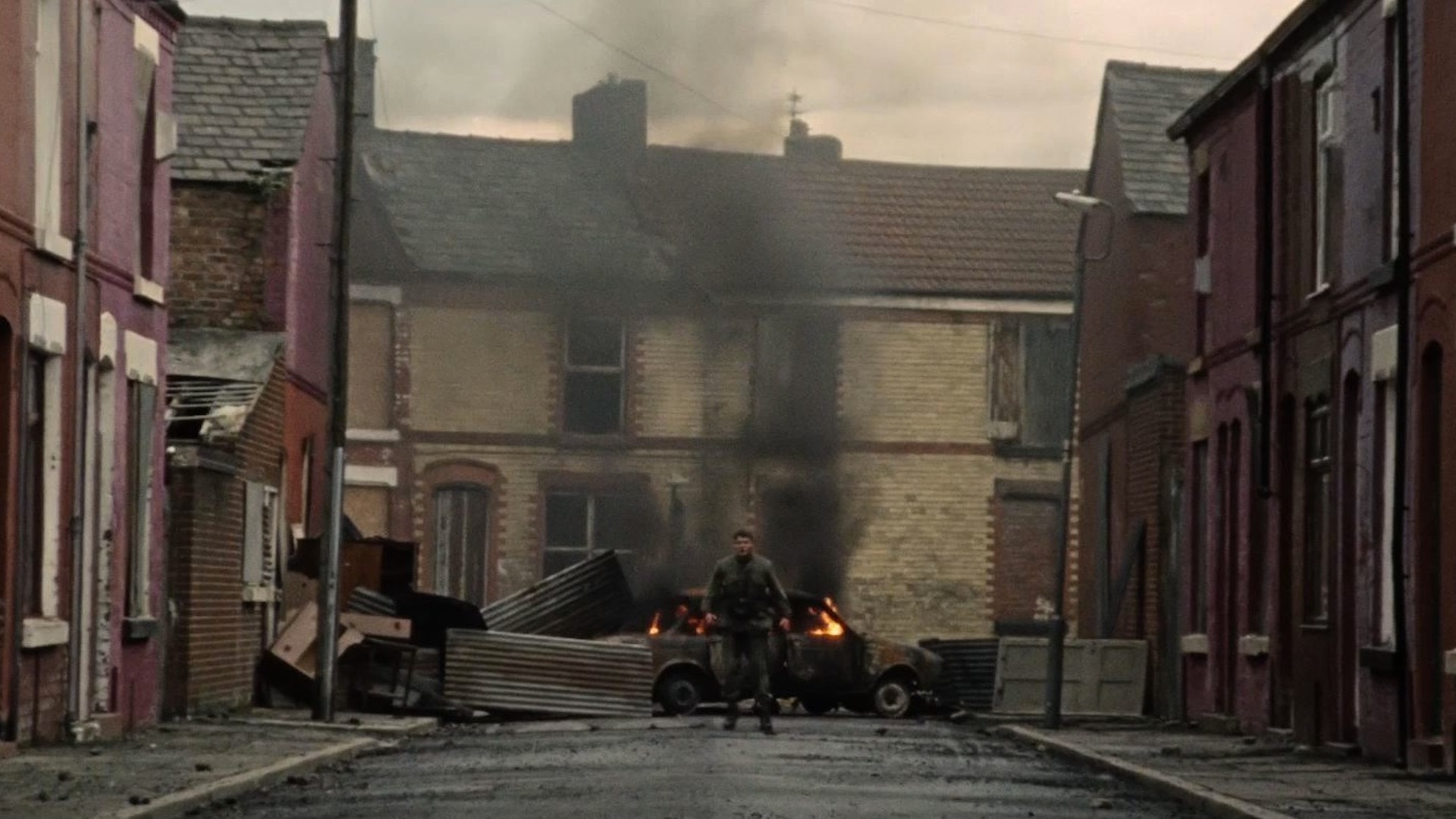
I recently saw a movie that will stay with me for a long time. It's about a place where deeply-entrenched poverty has nothing to do with race (at least, nothing to do with race the way Americans understand it), a place infected with a terrorism that has nothing to do with Islam, a place in which the soldiers sent from overseas to occupy and pacify it speak the same language and have the same skin color as the natives. And it's a place of ugly, brutal violence. That place is 1971 Northern Ireland during the Troubles.
"Where the Bodies Are Buried"
I stumbled across an essay in The New Yorker recently that vividly describes the terror and violence and complexities of The Troubles. In many ways, I probably don't fit the profile of a?New Yorker reader: I live in Texas, am a conservative Christian, and come at many issues from a very difference perspective than the secular, elite, bi-coastal consensus that?The New Yorker represents. Yet, I read?The New Yorker regularly, particularly the long form pieces, at which the magazine really excels.![Photos from the essay [newyorker.com]](http://static1.squarespace.com/static/5d70f59aefca59000162e4e6/5d7fcef39f682762992c8aca/5d7fcf039f682762992c8ca1/1568657155292/150316_r26257_rd-896.jpg?format=original) The essay, "Where the Bodies are Buried", is by Patrick Radden Keefe and is a fantastic piece of writing and journalism. It's about the Troubles (the period from the 1960s-1990s when Northern Ireland was a war zone), and about a particular nasty murder in 1972 of a 37 year-old widow and mother of ten children by the I.R.A. in Belfast. It's also about how Northern Ireland has made a fitful transition to peace, and about how Gerry Adams, leader of Sinn Fein, the I.R.A.'s political wing, has tried to cover up his I.R.A. past. It's a disturbing, evocative piece, and I highly recommend it. (Also worth mentioning is another essay on the Troubles called "Belfast Confetti," a New Yorker?essay from 1994 by current editor David Remnick, which is compelling in its own right and particularly?fascinating to read in 2015.)
The essay, "Where the Bodies are Buried", is by Patrick Radden Keefe and is a fantastic piece of writing and journalism. It's about the Troubles (the period from the 1960s-1990s when Northern Ireland was a war zone), and about a particular nasty murder in 1972 of a 37 year-old widow and mother of ten children by the I.R.A. in Belfast. It's also about how Northern Ireland has made a fitful transition to peace, and about how Gerry Adams, leader of Sinn Fein, the I.R.A.'s political wing, has tried to cover up his I.R.A. past. It's a disturbing, evocative piece, and I highly recommend it. (Also worth mentioning is another essay on the Troubles called "Belfast Confetti," a New Yorker?essay from 1994 by current editor David Remnick, which is compelling in its own right and particularly?fascinating to read in 2015.)
The Movie: '71
With?The New Yorker's essay in my mind, a week later I read about a new movie about the Troubles called '71, and a couple of friends and I went to see it. I don't think I'll ever forget it. '71?is about a young British soldier abandoned by his unit in a Catholic neighborhood in Belfast who is pursued through the night by I.R.A. killers. It's also about the fascinating (and terrifying) allegiances of 1970s Belfast, the amoral world of intelligence operatives, and what happens when an occupying force of young men is thrown into a complex political situation that all the foreign firepower in the world won't pacify. Through the long night, the young soldier comes in contact with the various factions of 1970s Belfast: the I.R.A. and its radical off-shoot the Provisional I.R.A., the Protestant loyalist militias, and the ordinary Roman Catholic and Protestants who try to live in the middle of a war.
 Walking down the stairs of the theater afterwards, I realized that I'd been keeping my entire body rigid and tense throughout the movie--it's that kind of film. It's really well done: terrifying, honest, brutal, and resists the urge to clean-up everything at it's end. Highly recommended, though not for the faint of heart.

What The Experts Don't Want You to Know

Nobody knows the future. Nobody. That's the secret that the experts don't want you to know. Here are 3 examples of expert ignorance, and why that matters for you.
1. No One Knew the Future of American Oil
For most of my life, experts have talked about American dependence on Middle Eastern oil. And then, in the past several years, something extraordinary happened: America became the world's largest oil producer. In retrospect, it seems obvious how the shale revolution would cause us to extract oil that was previously too expensive or difficult to extract, but that's exactly the point: in retrospect, it's easy to see, but in the year 2000, I don't remember that any of our experts foresaw the American oil boom of the last several years. Why? Because no one knows the future. And then, this past year, oil prices collapsed. In Texas, where I live, lots of folks who work in the energy business are feeling that collapse, but I don't know anyone who predicted a year ago that oil prices would fall off a cliff. Why? Because no one knows the future.
2. No One Got Ebola Right
Last fall when there a few cases of Ebola in Dallas, I remember reading the experts' predictions that the Ebola outbreak in Sierra Leone and Liberia might infect 1.4 million people by January 2015. Although about 10,000 people died and although the Ebola outbreak has been a disaster for the countries affected, the worst part of the experts' predictions did not happen (thank God!). Why? Because no one knows the future.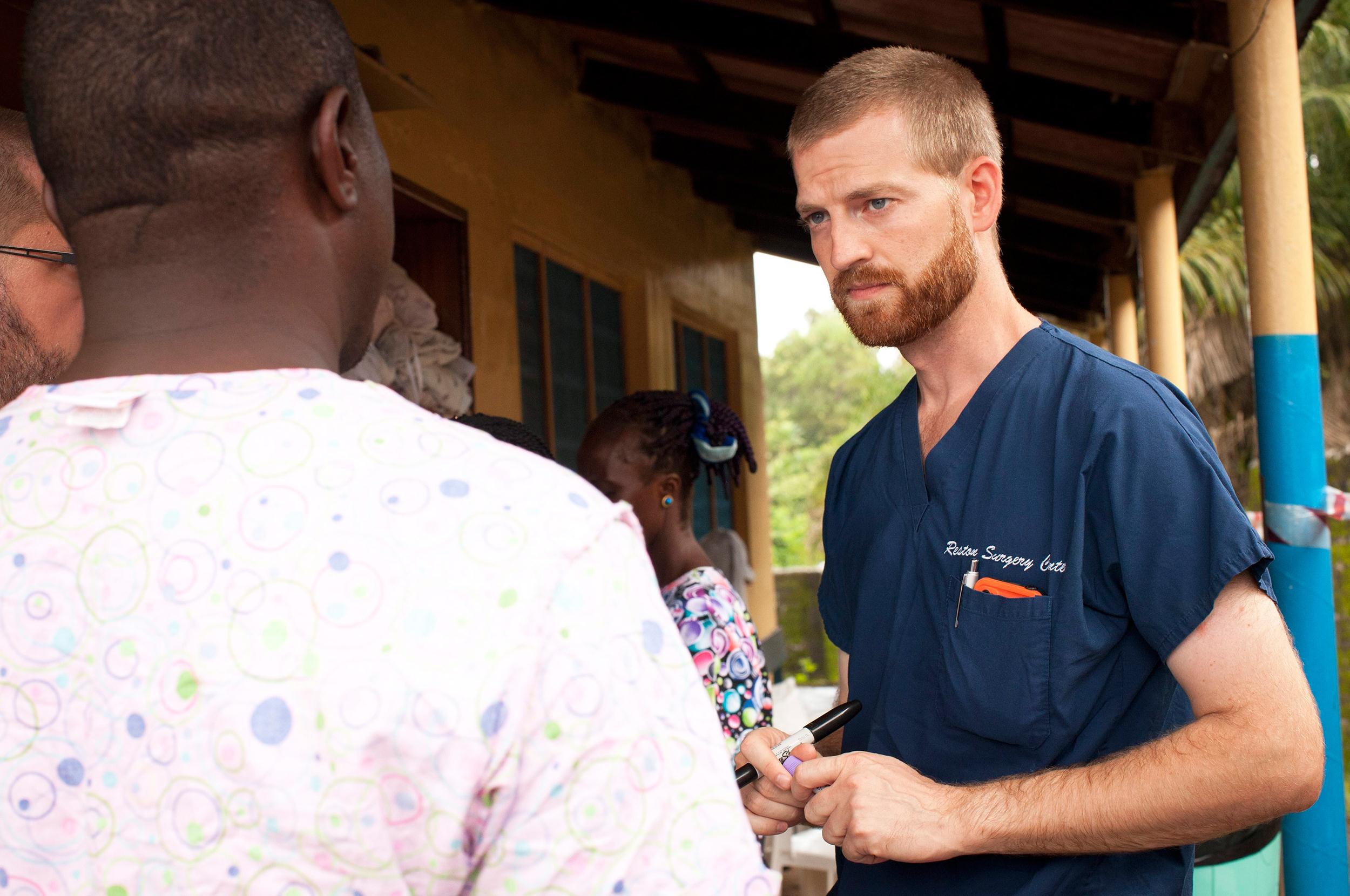
3. But That's Not Always Good: Look at the Cost of the Iraq War
I don't mean to suggest that the experts' predictions are always worse than what actually happens. Sometimes, reality turns out worse than the experts' sanguine predictions, as the depressing example of the the cost of the Iraq War shows.People argued in 2002-2003 about how much the Iraq War would cost, and people argue today about how much it ultimately cost, but what is absolutely certain is that it cost many many many times more than what the experts predicted in 2002-2003.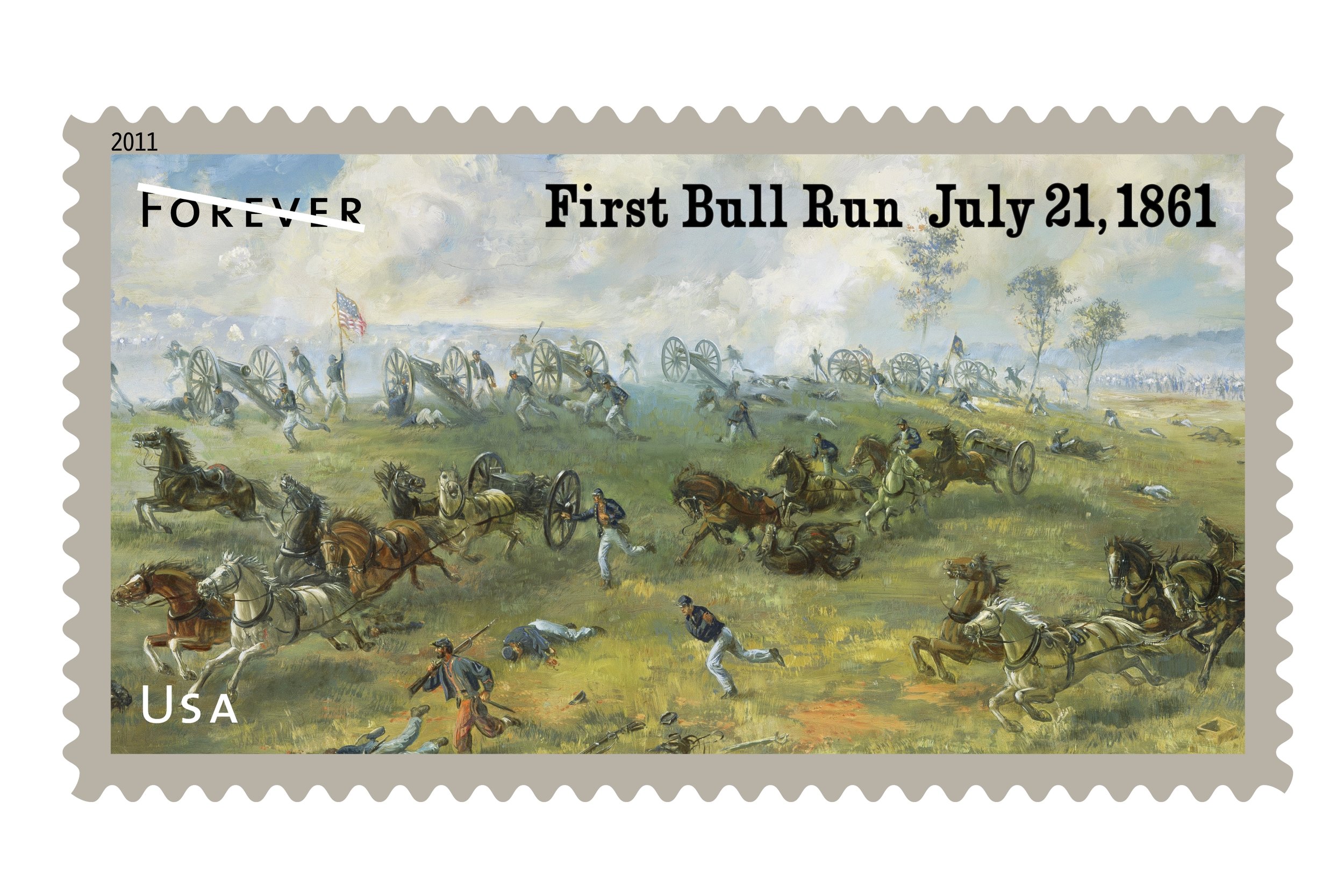 Some things never change: no one thought the Civil War would be as long or as bloody as it was, either. War planners always underestimate a war's cost and casualties and length, except when they do the opposite.
The Experts Don't Know What Will Happen
Here's the point: no one knows the future, and no one knows on any particular issue whether the future will get better or get worse. Because no one knows the future, excessive worry about it is a waste of time.Often, when experts predict the worst, things will get better in unexpected ways: be hopeful.Often, when experts predict a rosy future, things will get worse in unexpected ways: be prudent.Either way, remember: no one knows the future, and there is no point in worrying about it: "Therefore, do not worry about tomorrow, for tomorrow will worry about itself. Each day has enough trouble of its own" (Matthew 6:34).
6 FAQs About Fasting

Fasting is not something that comes easily for me, and, judging by the questions I've been getting, it's not something that comes easily for many of you, dear readers. What follows are some Frequently Asked Questions on the topics of fasting and Lent.![[http://www.utahpeoplespost.com/wp-content/uploads/2014/06/10.jpeg]](http://static1.squarespace.com/static/5d70f59aefca59000162e4e6/5d7fcef39f682762992c8aca/5d7fcf029f682762992c8c67/1568657154225/10-2.jpeg?format=original)
Why Fast?
I remember asking my dad about fasting when I was a kid, and he told me he had asked my grandfather the same question when he was a kid. My grandfather had said, "Fasting is something Roman Catholics do during Lent, but we Protestants are supposed to give up things all year long." I loved my grandfather, but I think he was wrong to frown on fasting as some misguided practice that Roman Catholics do, and I'm glad that American Evangelical Protestantism has begun to embrace fasting and Lenten disciplines more widely.
- Fasting reminds us that there are people around the world for whom hunger is not a choice, and to a very small degree, fasting can help us stand in solidarity with them.
- Fasting reminds us of the temptations and privations of Jesus in the wilderness. Before there's the Resurrection, there's the Crucifixion. Before the crown, there's the cross.
- Fasting can help us set our minds?on what matters most.
- Fasting can help us pray with more focus and intensity.
I give a brief overview of Lent and fasting here:[embed]https://www.youtube.com/watch?v=wvPad5PEfjo[/embed]
What If I Can't Fast From Food?
Lots of folks have medical conditions that make it unsafe for them to fast from food during the day. Here's my advice, if you'd still like to fast: make your food as plain as possible, and eat just enough to keep healthy.
What Should I Do When I'm Fasting?
I use fasting as a way to help me pray: throughout the day, I'll pray something like "Lord, help me to desire you and your word as much as I desire food."Another technique is to use hunger as a reminder to pray for some particular topic. Maybe during Lent you can pray for the persecuted Church, or the situation in the Ukraine, or for your neighbor who struggles with faith, or for your marriage, etc. Every time you are hungry, pray for that specific situation or person.One other thing to do is to take on something life-giving while you are giving up something else. If you are fasting from food, take on prayer. If you are fasting from coffee, take on giving the money you would have spent towards a clean water project. (You can see suggestions of what to take on in the chart below.)
Does It Matter What I'm Fasting From?
Traditionally, fasting involves food, but you can fast from other things as well.
- You could fast from caffeine;
- You could fast from television;
- You could fast from complaining.
In the 40 Campaign we're doing at my church, each week during Lent involves a different kind fast. You can see the list below.
Should I Fast On Sundays?
Every Sunday is an Easter celebration, and so Sundays have traditionally been feast days. I like the thought of not fasting on Sundays for this reason.!["The Fight Between Carnival and Lent," by Pieter Bruegel the Elder [1559]](http://static1.squarespace.com/static/5d70f59aefca59000162e4e6/5d7fcef39f682762992c8aca/5d7fcf029f682762992c8c6a/1568657154437/carnival_and_lent.jpg?format=original)
What If I Give In and Break My Fast?
Try again tomorrow. Fasting isn't about showing off heroic self-denial; it's about learning to pray and focus on what matters most. How has the experience of fasting been for you?
40 Days of Dying to Yourself
How might you be different in 40 days of sacrifice and simplicity? Instead of excess, euphemism, and self-indulgence, I'd like to invite you to 40 days of sacrifice, simplicity, and self-denial. Join the 40 campaign. Take 2 minutes and watch the following video.[embed]https://www.youtube.com/watch?v=wvPad5PEfjo&feature=youtu.be[/embed]Today is Ash Wednesday, and it marks the beginning of Lent, the 40 days leading up to Easter (not including Sundays). During Lent, we remember the privations of Jesus during his time of temptation in the desert, and that before the Resurrection, there was the Crucifixion. Many Christians prepare for Easter by observing a period of fasting, repentance, moderation, and spiritual discipline during Lent.
Join Me in the 40 Campaign?
Starting today, my church is embarking on our 40 campaign: a Lenten campaign of sacrifice and simplicity. Each week we have a different thing to give up and a different thing to take on:How might you be different in 40 days of sacrifice and simplicity?
Take the Abraham Quiz
The Bible is mysterious and difficult, but it's not impossible. With a little bit of background knowledge about the ancient cultures of the Bible, ordinary people like you and me can learn to read scripture in such a way that even some of its mysterious parts offer important insights. Below is a bit of background information about a very strange episode in Genesis. Read the background, take the quiz, and let me know what you think.!["Butcher's Shop," by Annibale Carracci, 1580 [Wikipedia]](http://static1.squarespace.com/static/5d70f59aefca59000162e4e6/5d7fcef39f682762992c8aca/5d7fcf019f682762992c8c60/1568657153717/Annibale_Carracci_-_The_Butchers_Shop_-_Google_Art_Project.jpg?format=original)
You "Cut" a Covenant
In the ancient middle east, the way 2 parties formalized an agreement was through a covenant ceremony. In Hebrew, you "cut" a covenant, because covenants involved taking animals and sacrificing them, and then walking between the carcasses.
And Say, "I'll Become a Slaughtered Calf"
Here's the point: when you walked between the pieces of the slaughtered animals, you were saying, "May I become like these dead animals if I don't keep my end of the agreement."(I think our wedding ceremonies would be much more interesting and divorce much less frequent if we adopted the same practice....)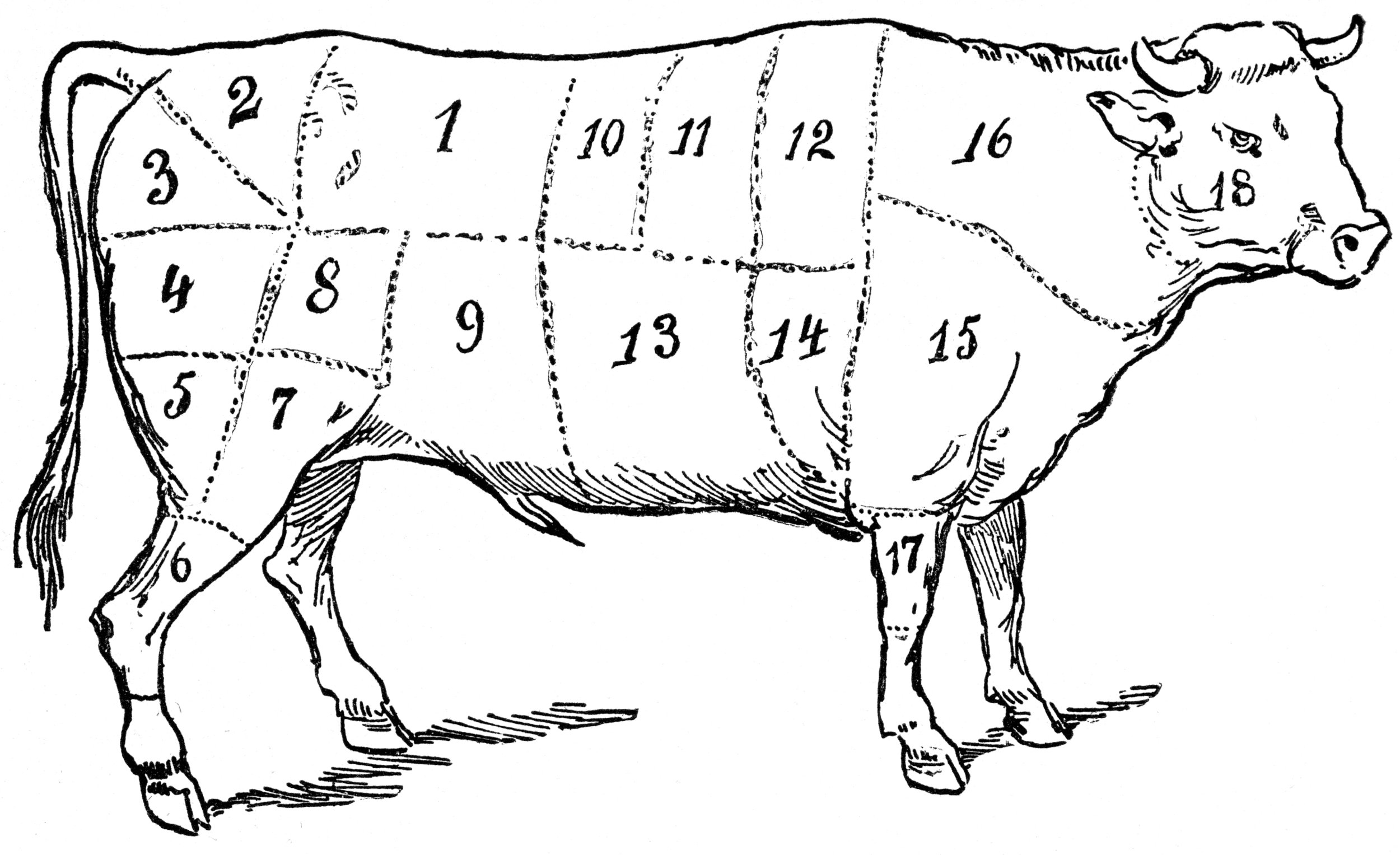
So, Abraham Gets Ready
In Genesis 15, Abraham, on the Lord's instructions, prepares one of those covenants:
The Lord said to Abraham, Bring me a heifer three years old, a female goat three years old, a ram three years old, a turtle-dove, and a young pigeon.?10He brought him all these and cut them in two, laying each half over against the other; but he did not cut the birds in two.11And when birds of prey came down on the carcasses, Abram drove them away." [Genesis 15:9-11]
It's obvious what will happen next: Abraham will pass between the carcasses, showing his commitment to the Lord's plan.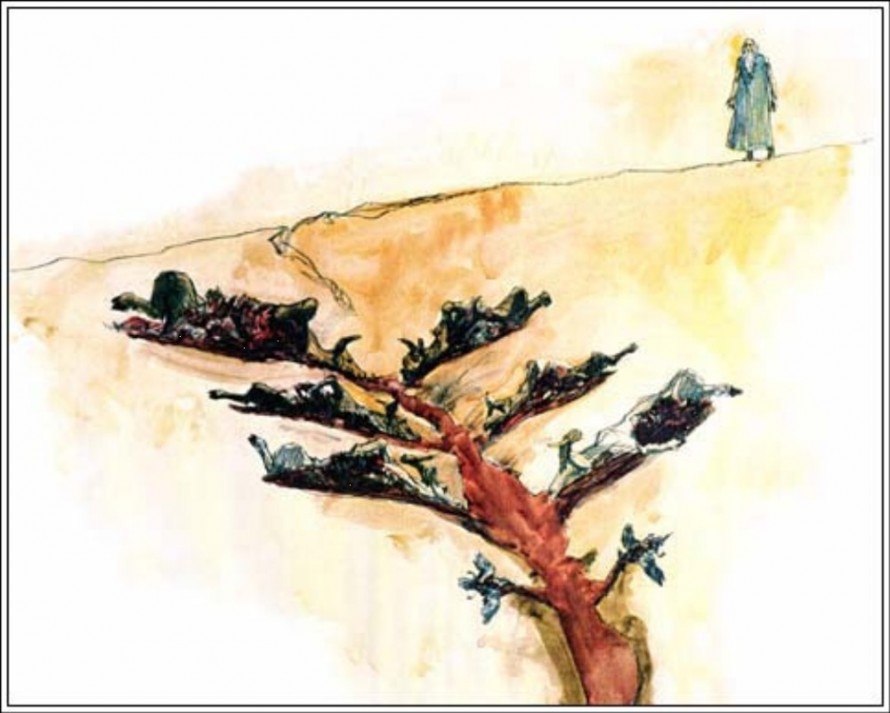
But Something Strange Happens
But, that's not what happens:
12?As the sun was going down, a deep sleep fell upon Abram, and a deep and terrifying darkness descended upon him....17When the sun had gone down and it was dark, a smoking fire-pot and a flaming torch passed between these pieces.18On that day the?Lordmade a covenant with Abram, saying, To your descendants I give this land, from the river of Egypt to the great river, the river Euphrates,?19the land of the Kenites, the Kenizzites, the Kadmonites,?20the Hittites, the Perizzites, the Rephaim,?21the Amorites, the Canaanites, the Girgashites, and the Jebusites." [Genesis 15:12, 17-21, my emphasis].
Take the Quiz: What Does Genesis 15:17 Mean?
What's the point of the covenant ceremony recounted in Genesis 15? What does this mean?(Hint: The best way to read the Bible is to read backwards, i.e., to read the Old Testament in light of what we have in the New Testament. To put it another way, use Jesus as the interpretive key. In light of what the Church believes about Jesus, what's going on in Genesis 15?)
P.S. Subscribe
If you‘ve read this far, you?re committed, so why not subscribe to future updates from my blog? Click?here‘to subscribe.
My 2014 Reading List
![[Léon Cogniet - The Artist in His Room at the Villa Medici, Rome]](https://images.squarespace-cdn.com/content/v1/5d70f59aefca59000162e4e6/1572533387527-8I1K1K6FG9WKM87BOXOV/lossy-page1-842px-L%C3%A9on_Cogniet_-_The_Artist_in_His_Room_at_the_Villa_Medici%2C_Rome_-_1978.51_-_Cleveland_Museum_of_Art.tiff.jpg)
[Léon Cogniet - The Artist in His Room at the Villa Medici, Rome]
Soviet Russia during wartime; climbing Mount Everest in canvas puttees and hobnailed boots; Hasidic teenagers in Brooklyn: these were just a few of the subjects I read about in 2014. Sure, I didn't make my reading goal, but it was a great year for reading all the same.
My 2014 Reading Goal
I set a goal to read 50 books in 2014. My actual total: 34. (Just like last year, I fell short.) But can I get a little credit for reading several huge novels? I mentioned last year that I wanted to read more fiction and literature in 2014, and as you'll see below, I accomplished that goal. (I think I'd like to add more books on theology and pastoral ministry in 2015.)
Here Are My Rules
I only counted books that I read all the way through. In my weekly sermon prep, I often end up reading parts of different books, but they don't count. Also, I read lots of periodicals and online journals, but I don't count them toward my total. Why not? I find that the concentration required to read a book all the way through is different (and more valuable) than reading a blog post or online article. Also, reading blog posts and articles isn't life-giving to me the way reading a book is.
A book that I'll remember in the future, a book that adds enduring value to my life, that's a book I'll define as good. I use a 5 star system in my ratings to signify the following:
✭✭✭✭✭ life-changing and unforgettable
✭✭✭✭ excellent
✭✭✭ worth reading
Books getting less than 3 stars aren't on my "Best" list, which doesn't mean they were necessarily bad, but just not books that I'd excitedly recommend to you.
✭✭ read other things first
✭ not recommended
The Best Books I Read in 2014 (in chronological order)
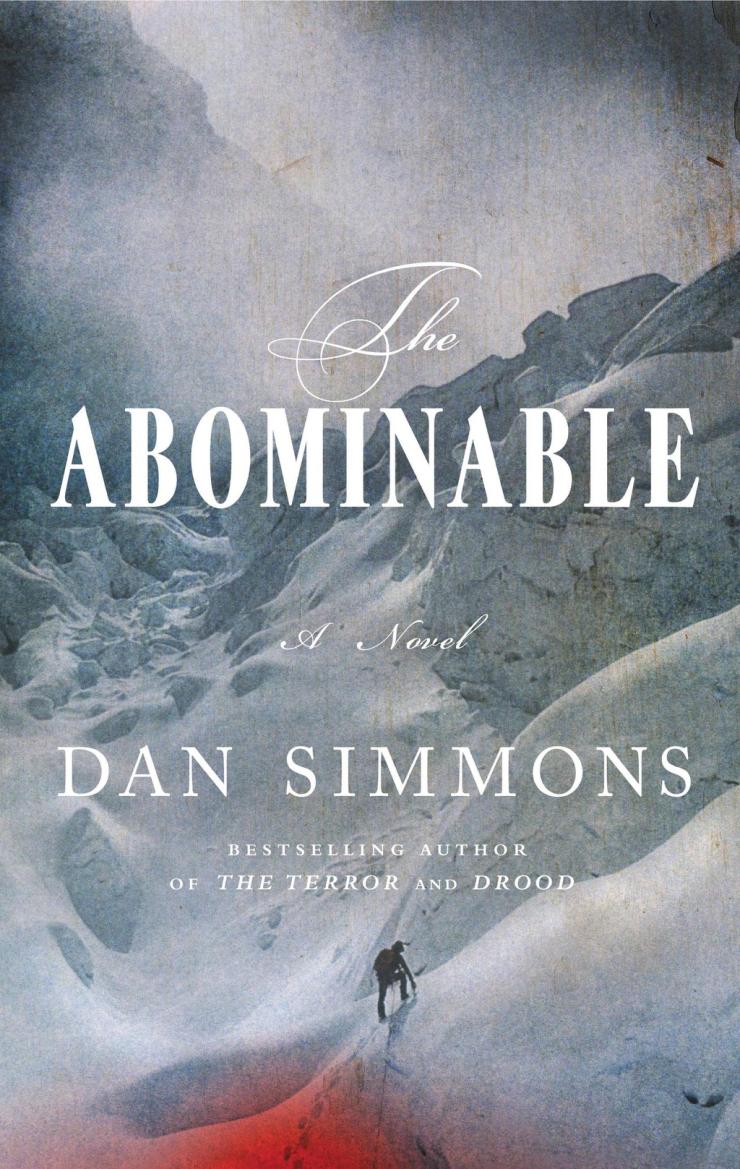
The Abominable: A Novel, by Dan Simmons. The first book I read in 2014, and one of the best I read all year. It's a long novel (688 pages) about a team trying to climb Mount Everest in 1924, against a background of mystery and international espionage. Author Dan Simmons takes the gaps in our historical knowledge (What really happened to George Mallory and Sandy Irvine? Why didn't Hitler put Operation Sea Lion into motion and invade England in 1940?) and connects them and fills them in in creative and satisfying ways.From Booklist, via Amazon:
It‘s 1924, and a trio of rogue climbers: mysterious WWI vet Deacon, emotional Frenchman Jean-Claude, and our narrator, brash young American Jacob, are hired to find the corpse of a dignitary lost on Everest. While they’re there, they go for the legendary summit. Right away, there‘s a complication: a fourth team member, the dead man‘s cousin and a woman, no less! But it‘s the subsequent complications that make this required reading for anyone inspired or terrified by high-altitude acrobatics: sudden avalanches, hidden crevasses, murderous temperatures, mountainside betrayals, and maybe just maybe a pack of bloodthirsty yeti. Though the first 200 pages of climbing background might have readers pining for the big climb, it is nearly always interesting, and, later, Simmons excels at those small but full-throated moments of terror when, for example, a single bent screw might mean death for everyone."
The Abominable had me constantly reaching for my atlas and looking things up on Wikipedia.
Highly recommended. ⭑⭑⭑⭑
The Christ of the Indian Road, by E. Stanley Jones. I'd like to understand the culture in which I minister as well as Jones, a Methodist missionary to India 100 years ago (and a friend of Gandhi's) understood his.
Recommended. ⭑⭑⭑
Unbroken, by Laura Hillenbrand. The story of Louie Zamperini's life is one of the more remarkable I've ever read.
Highly recommended (and I also recommend the movie, by the way). ⭑⭑⭑⭑
The Last Hero, by Peter Forbath. This fictionalized retelling of Henry Morton Stanley's final trip through the Congo is terrifying and compelling. Another long novel (729 pages) that had me constantly reaching for the atlas and encyclopedia, it re-introduced me to the remarkable life of Henry Morton Stanley. Stanley was one of the most famous and lionized me in the world in the last 3rd of the 19th century, and though I'd read about him when I was a teenager, I'd forgotten how improbable, exciting, and impressive were his accomplishments. Like Louie Zamperini--although actually much more so--Stanley's life story is one of those that if you made it up, no one would believe it.
Highly recommended. ⭑⭑⭑⭑
The Chosen, by Chaim Potok. Why read fiction? Fiction enables you to experience the life of another in a way that is impossible otherwise. The Chosen is about the friendship between two boys in the Hasidic community in Brooklyn during the Second World War.
Highly recommended. ⭑⭑⭑⭑
Essentialism, by Greg McKeown. I wrote about this book here. Like most of these sorts of business and leadership books, it's too long, but still worth the read.
Recommended. ⭑⭑⭑
What Radical Husbands Do, by Regi Campbell. I'd like all the men I know to read this book.
Recommended. ⭑⭑⭑
The Advantage, by Patrick Lencioni. A great book on organizational leadership.
Recommended. ⭑⭑⭑
Jayber Crow, by Wendell Berry. The only novel of Berry's I've ever read, it's a slow accounting of the life of a small hamlet in Kentucky, and its bachelor barber.
Highly recommended. ⭑⭑⭑
The Best Book I Read in 2014
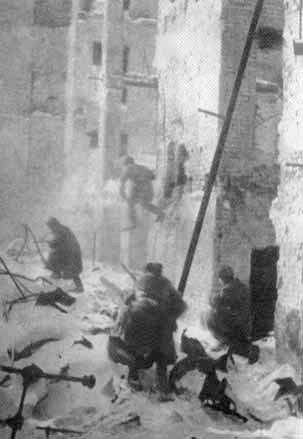
Urban warfare, Stalingrad, 1942.

German soldiers at Stalingrad, January 1943.

Soviet attack, February 1943.
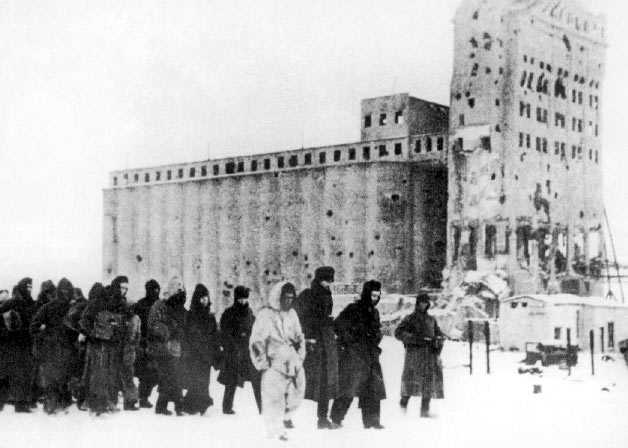
German POWs, Stalingrad, 1943.
Life and Fate, by Vasily Grossman (translated by Robert Chandler). A novel by a Red Army journalist who lived through the Battle of Stalingrad, Life and Fate is a masterpiece and an experience that I will never ever forget. I first heard about Life and Fate as a college history student, and have had it on my someday/maybe list for 15 years or so. It's a massive novel (896 pages), and was the last book I read in 2014. Here's a good summary from Publisher's Weekly:
Obviously modeled on War and Peace, this sweeping account of the siege of Stalingrad aims to give as panoramic a view of Soviet society during World War II as Tolstoy did of Russian life in the epoch of the Napoleonic Wars. Completed in 1960 and then confiscated by the KGB, it remained unpublished at the author's death in 1964; it was smuggled into the West in 1980. Grossman offers a bitter, compelling vision of a totalitarian regime where the spirit of freedom that arose among those under fire was feared by the state at least as much as were the Nazis. His huge cast of characters includes an old Bolshevik now under arrest, a physicist pressured to make his scientific discoveries conform to "socialist reality" and a Jewish doctor en route to the gas chambers in occupied Russia. Ironically, just as Stalingrad is liberated from the Germans, many of the characters find themselves bound in new slavery to the Soviet government. Yet Grossman suggests that the spirit of freedom can never be completely crushed. His lengthy, absorbing novel--which rejected the compromises of a lifetime and earned its author denunciation and disgrace--testifies eloquently to that spirit."
Highly, highly recommended. (I'll need to write more about this separately.) ⭑⭑⭑⭑⭑
The Rest of 2014 (in chronological order)
Some of the books below are quite good, but for whatever reason, they didn't grab me in such as way to make my "best of" list above. Still, some of these books might be worth your time. Others most definitely aren't. Caveat lector.
That Used to be Us: How America Fell Behind in the World It Invented And How We Can Come Back, by Thomas Friedman & Michael Mandelbaum. The title pretty much says it all.... ✭✭
Stanley: the Impossible Life of Africa's Greatest Explorer," by Tim Jeal. After reading?The Last Hero (see above), I wanted to learn more about Stanley. ⭑⭑
The Little Way of Ruthie Leming, by Rod Dreher. A memoir about returning home after the death of an only sibling. I first read about the book on Dreher's blog, which is one of my favorites. A nice book about the importance of family and community. ⭑⭑
Death by Meeting, by Patrick Lencioni. Helpful. ⭑⭑
Finally Free: Fighting for Purity with the Power of Grace, by Heath Lambert. A book about men and pornography. ⭑⭑
FoundationFoundation and EmpireSecond Foundation, all by Isaac Asimov. I'd heard that these were ground-breaking books in science fiction, so I think I was expecting more. Good, but not great. ⭑⭑
The Tale of Three Kings, by Gene Edwards. A lot of evangelical pastor types love this book about Saul, David, and Absolom. Not totally sure why. ⭑⭑
The Anglican Evangelical Doctrine of Infant Baptism, by John Stott & J. Alec Motyer. Not helpful to me. ⭑
The 21 Irrefutable Laws of Leadership, by John Maxwell. I don't get much out of Maxwell's stuff. ⭑
All In, by Mark Batterson. ⭑
Developing the Leader Within You, by John Maxwell. Maxwell's first book, and definitely one of the worst books I've ever read. More clich‘s than a box of chocolates. ⭑
The 17 Indisputable Laws of Teamwork, by John Maxwell. ⭑
Podcast Launch, by John Lee Dumas. ⭑
Come Home: A Call Back to Faith, by James MacDonald. My mom told me about this book, and as soon as I heard the title, I thought, "I want to do a sermon series on that theme." I ended up doing the series--one of my favorites we've ever done--but I didn't find the book very helpful to me, and all I ended up using was the title (which is a great title, by the way). ⭑
An Approach to Extended Memorization of Scripture, by Andrew Davis. Can't beat the price. ⭑⭑
Eat This Book, by Eugene Peterson. Like?Come Home mentioned above, I got a sermon series out of this title (which I'd heard elsewhere), but didn't get much content for the actual series from the book. ⭑⭑
7 Men and The Secret of Their Greatness, by Eric Metaxas. I want to like Eric Metaxas's books because I believe in what he's trying to do and agree with his general worldview, but as with his Bonhoeffer book, I found the writing in this book to be really annoying and juvenile. Unfortunately, I just don't think Metaxas is a very good writer. Not recommended. ⭑
Platform: Get Noticed in a Noisy World, by Michael Hyatt. Good practical stuff for bloggers. ⭑⭑
In the Name of Jesus: Reflections on Christian Leadership, by Henri Nouwen. I love the epilogue about Nouwen and his friend with special needs, speaking at a conference together. Beautiful. ⭑⭑
Zero to One: Notes on Startups, or How to?Build the Future, by Peter Thiel. I really disliked this book; this Vox post is a good summary of my own feelings. (For another funny article on Silicon Valley arrogance and foolishness, see this New York magazine piece?about the men behind the laundry app "Washio.") Not recommended. ⭑
Not Yet Christmas, by J.D. Walt. Some nice reflections on Advent. ⭑⭑
Into the Silent Land: a Guide to the Christian Practice of Contemplation, by Martin Laird. A reference on Rod Dreher's blog pointed me towards this book. Good stuff on contemplative prayer. ⭑⭑
I'd love to hear your thoughts on any of the above. Anything I need to be sure and read in 2015?
P.S. Subscribe!
If you've read this far, you're committed, so why not subscribe to future updates from my blog? Click here to subscribe.
3 Don'ts When Reading Genesis
Genesis is hard enough as it is; here are three things NOT to do when reading the first book of the Bible.
Don't Mistake "Is" for "Should"
Genesis is descriptive, not prescriptive, i.e., it describes the world as it is, not as it should be. Subsequent to The Fall described in chapter 3, every situation, family, and life is corrupted by sin. Abraham, Isaac, and Jacob are sinful men, and their families are a mess. Don't be surprised when great heroes of the faith turn out to be seriously flawed. And don't confuse descriptions of sin with approval of sin, even in the lives of the Patriarchs.The good news? God writes straight with crooked lines.
Don't Draw Conclusions Before the End
The Bible is not a series of disconnected stories; rather, it is one long drama in three acts, with a prologue at the beginning and an epilogue at the end:
- The Prologue: Genesis 1-11 (Creation, Fall, and the Flood)
- Act 1: Genesis 12 through the rest of the Old Testament (Covenant and Israel)
- Act 2: the Gospels (Jesus)
- Act 3: the book of Acts up through the present day (the Church)
- The Epilogue: the Book of Revelation (the End).
Each small story in the Bible fits into the larger whole. You wouldn't draw too many conclusions about the author of a story from the first page of a novel or the director of the movie from its first five minutes. In the same way, reserve judgment until you see how the story resolves. Yes, there are parts of the story that are troubling, but reserve judgment until you see where everything is going.
Don't Fill the Gaps with Suspicion
The Bible is filled with gaps. All we usually get are big broad strokes, and it's left to our imagination to fill in the gaps about why or how. For example, in the Genesis 4 account of Cain and Abel, why does the Lord God approve of Abel's gift but not Cain's? Isn't that rather arbitrary and unfair? Here's the true answer: no one knows why God preferred Abel's gift to Cain's. In the face of such a gap, then, we have to fill it with our own conjectures.Unfortunately, in the modern, cynical world, we are quick to fill gaps in the Bible with our own suspicions. But suspicion is a choice, and there is another approach:Don't fill gaps with suspicion; fill gaps with trust.It's true that deciding ahead of time to fill the gaps in the Bible with trust is a faith decision, but deciding ahead of time to read with a hermeneutic of suspicion is itself a faith decision. If you decide ahead of time that the Bible can't be trusted and that God is cynically setting up people for failure so he can punish them, then nothing you read will ever change your mind.A better way is to decide to fill the gaps in Genesis and elsewhere with trust and humility. Then, when you encounter things you don't understand, you'll admit what you don't know and assume that what you don't understand has a purpose in God's redemptive plan.
P.S. What About the Bizarre Stuff in Genesis 6:1-4?
If you ever tried to read through Genesis, chances are that Genesis 6:1-4 caused you some trouble.
When people began to multiply on the face of the ground, and daughters were born to them,‘the sons of God saw that they were fair; and they took wives for themselves of all that they chose.Then the?Lord‘said, My spirit shall not abide?in mortals for ever, for they are flesh; their days shall be one hundred and twenty years.?The Nephilim were on the earth in those days?and also afterwards?when the sons of God went in to the daughters of humans, who bore children to them. These were the heroes that were of old, warriors of renown."-Genesis 6:1-4 [NRSV]
Here's the truth: nobody really understands this passage. Here's how Terence Fretheim puts is:
This brief segment is one of the most difficult in Genesis both to translate and interpret. Certain words are rare or unknown...; issues of coherence arise on many points. These verses may be a fragment of what was once a longer story, or scribes may have added to or subtracted from the text. The fact that the text presents ambiguity may be precisely the point, however: the mode of telling matches the nature of the message....
"Consistent with other sections in chaps. 1-11, this material reflects an era no longer accessible to Israel. [That is, the ancient Israelites who were the original readers of Genesis. --AF] The text does not mirror a typical human situation...but speaks of a time long past when God decreed a specific length to human life."
-Terence Fretheim, from?Genesis, in vol. I of?The New Interpreter's Bible
So, who are the mysterious "sons of God" mentioned in v. 2? Three options:
1. They are sons of Seth, mentioned in chapter 5, mixing with unbelievers.
2. "They may be royal or semi-divine figures who accumulated women in their harems" (Fretheim).
3. They are some kind of angelic beings. This seems most likely in context, and most troubling and bizarre to think about.
But, basically, as mysterious as this passage is, it fits with the larger context: before the Flood, things were going from bad to worse, spinning out of control.
The good news is that?Genesis 6:1-4 doesn't affect any important Christian doctrines or beliefs. (Which doesn't mean it isn't really strange.)
The Cleanest Toilet You'll Ever Sit On
Most people would do the bare minimum if their job was to clean toilets. Charles Clark is not most people.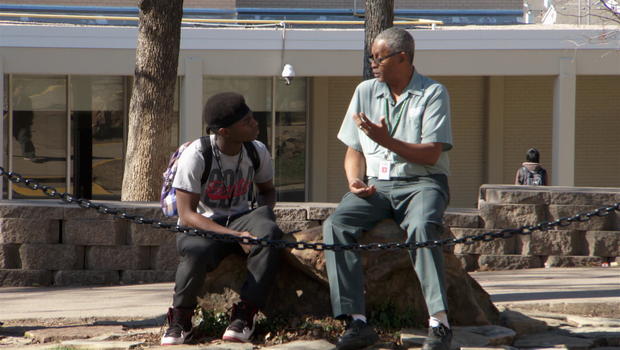
How Seriously Do You Take Your Work?
Here's what Mr. Clark says about his job as a high school custodian: "If I clean a toilet, and you sit on that toilet, you can rest assured that's the cleanest toilet you'll ever sit on."
The Custodian Counselor
Aside from the dignity and integrity with which he takes his official duties, Mr. Clark also serves unofficially (and effectively) as a counselor to troubled young men at the high school at which he works.[embed]https://www.youtube.com/watch?v=731RSOJa1pc[/embed]May God bless him.
The Murderous, Hilarious Human
The human is a creature of contradictions, capable of murder, wit, wry observation, and great perseverance, not to mention many other things. Consider:![After a Boko Haram attack [newyorker.com]](http://static1.squarespace.com/static/5d70f59aefca59000162e4e6/5d7fcef39f682762992c8aca/5d7fcf009f682762992c8c38/1568657152626/Okeowo-Boko-Haram-Baga-1200.jpg?format=original)
"Slaughtered Him Like a Ram"
Details are sketchy, but by some reports Boko Haram, the Nigerian Islamist militant group, butchered 2,000 people last week in northeastern Nigeria.A 12 year-old survivor of an earlier attack, now living as an orphan in a refugee camp, recalls the death of his father:
I saw them kill my father; they slaughtered him like a ram. And up until now I don‘t know where my mother is." -Suleiman Dauda
Jesus, have mercy. This is what the human has made his particular speciality for thousands of years: murder.Of all the earth's creatures, none is capable of greater evil than the human.
So, Why Not Destroy the Creation?
In Genesis 6-9 we read of Noah and the Great Flood that the Lord sends to destroy the earth. When I read of what's happening in Nigeria or Syria or some other place, I think, "Why not wipe the whole thing away, Lord? Why not stop all the killing?"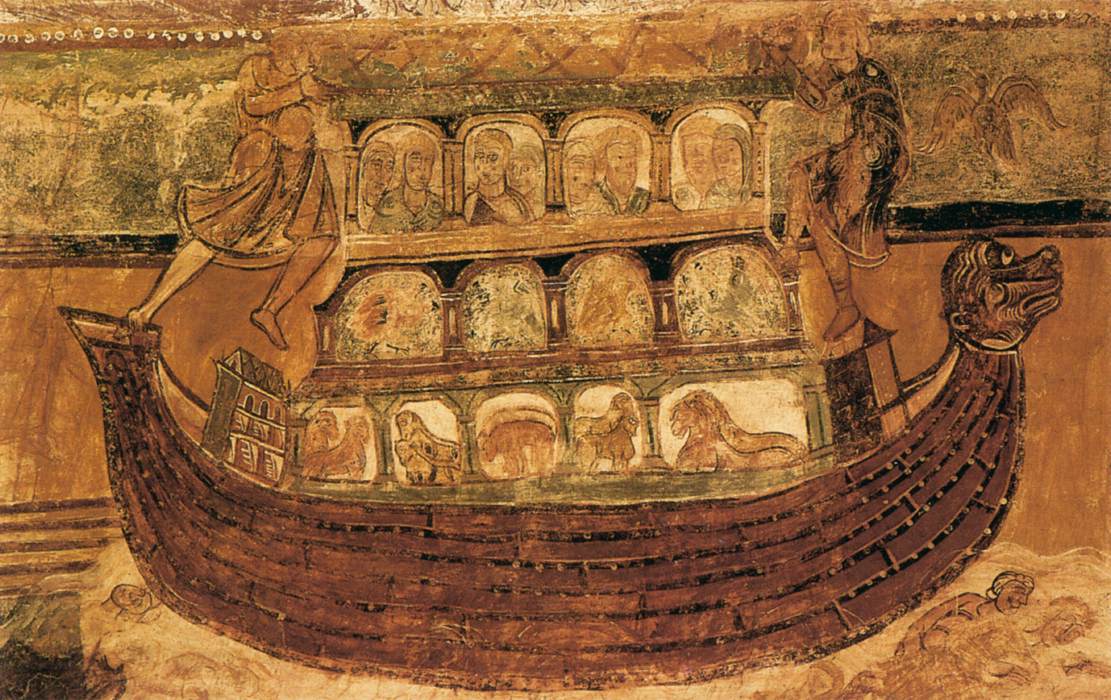 For people like me, living comfortable lives in comfortable places, it's easy to be troubled by the Lord's decision to kill everyone. But if we were living in the midst of the kind of suffering and misery and murder that's happening in Syria or the Borno state in Nigeria, would we be praying for God just to end it all?When we honestly contemplate the violence of which the human creature is capable it seems that God was right: the slate needs to be wiped clean.
But the Creation's Still Here
So, why didn't the Lord finish the job and completely destroy our?entire race?
The Deadly Mix
The human is a mix of the brutal and the beautiful, of violence and humor. While murder was happening in Nigeria (and many other places), there was an NFL playoff game yesterday between Dallas and Gren Bay. After Dez Bryant's remarkable catch was controversially overruled by the officials, someone posted on Twitter:[embed]https://twitter.com/BMcCarthy32/status/404770957916532736[/embed]The same creature that is capable of the murders in Nigeria is also capable of a wry, funny observation in 140 characters or less. That tweet by Brandon McCarthy is just about perfect, isn't it?
Plus a "Bro Country" Mashup
An aspiring country music songwriter named Greg Todd wanted to prove that there is a simple formula that the writers of the top "Bro Country" songs all follow. So, he laid the songs over each other in an audio mashup, and made a video of it:[embed]https://www.youtube.com/watch?v=FY8SwIvxj8o[/embed]The same creature that is capable of murder and writing witty 140 character sentences is also capable of astute analysis of a pop cultural phenomenon. And capable of putting his analysis together in a way that pokes good-natured fun at the industry in which he wants to succeed.
And Then We Have The "Ghost Boy"
Martin Pistorius lived a real-life nightmare: he was totally unable to move for 12 years, but everyone thought he was in a‘vegetative state. For 12 years, he was a prisoner in his own body, able only to control his thoughts.![Martin Pistorius sometime between 1990 and 1994, when he was unable to communicate. [NPR]](http://static1.squarespace.com/static/5d70f59aefca59000162e4e6/5d7fcef39f682762992c8aca/5d7fcf009f682762992c8c3b/1568657152839/s1920x1080_martin-199x-4_custom-772c052f23f1615f33cc52799f0c2bc2f2cbb1f3-s1500-c85.jpg?format=original) His story is one of the more remarkable (and blackly?humorous) stories I've heard in years. At one point, Mr. Pistorius talks about how much he hated the television show?Barney that was always on the tv in front of him, day after day; his admission made me laugh out loud. (Listen to the 11 minute NPR story yourself.)
His story is one of the more remarkable (and blackly?humorous) stories I've heard in years. At one point, Mr. Pistorius talks about how much he hated the television show?Barney that was always on the tv in front of him, day after day; his admission made me laugh out loud. (Listen to the 11 minute NPR story yourself.)
Maybe God Knew
I'm not saying that a funny Tweet, entertaining YouTube video, and‘the‘testimony of a man imprisoned in his own body somehow balance out the horrifying murders in Nigeria. I'm merely pointing out how strange a creature is the human: all of the different examples above are the actions of the exact same species.Maybe God knew what a bizarre mix the human was. Maybe, while hating the sin in the human, the Lord also loved the humor, invention, perseverance, and love of which the human was capable.Maybe God isn't through with us yet.
Lurking at the Door
Where did it go wrong with Bob McDonnell? Where does it go wrong with any of us? Beware thinking that you or I are aren't capable of the same things. And worse.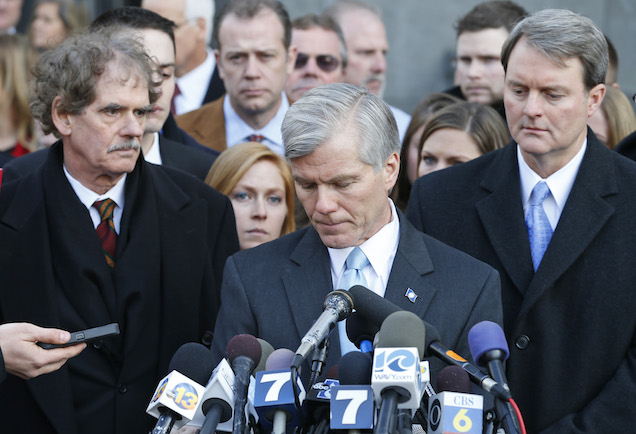
What Do You Do When You Want to Sin?
It's a question I've been asking recently: how does someone purposely refuse sin when it's sin that he wants to choose?It's easy to refuse sin when it's not what you want, but what about when sin's precisely what you most want?The one who wants to commit adultery?will choose adultery.The one who wants to steal will choose theft.The one wants to gossip will choose to spread the unkind word.The one who wants to murder will choose murder.At the moment when you are confronted with a sinful choice that you've already decided you want to take, it's too late.
The First Murder in the Bible
The first murder in the Bible is in Genesis 4, but before it happens, the LORD God warns Cain, "Sin is lurking at the door. It's desire is for you, but you must master it" [Genesis 4:7 NRSV].At some point, rather than fearing sin, Cain welcomed it, and was devoured.Cain murders Abel--his own brother--and murder has been part of the human story ever since.![[http://www.africadreamsafaris.com]](http://static1.squarespace.com/static/5d70f59aefca59000162e4e6/5d7fcef39f682762992c8aca/5d7fceff9f682762992c8c31/1568657151994/Lion-Hunt-4.jpg?format=original)
No One Is Safe
Bob McDonnell, former Governor of Virginia, was sentenced Tuesday to 2 years in Federal Prison on corruption charges. Bob McDonnell is a Christian and is?described by his family, associates, and political rivals as a good man. And yet for all that, Bob McDonnell made a choice to choose the sin that would devour him, but that choice wasn't at the specific moment that a political donor asked him for some special favors: it was way before that.At some point, Bob McDonnell made a choice to ignore small dishonest choices. And then those choices grew up.Sin starts small, but grows. There are sins in my life that if I ignore--or worse, deliberately attract--will devour me.Same goes for you.At the moment we are faced with the sin that will devour us, it's too late. The only way to be protected is to fight the sins early, when you don't want them and when they are small.
Kill It Early
The easy time to kill adultery is when the first thought of it appears, not when you're on‘the work trip with the co-worker you've been flirting and drinking with for 48 hours and whom you've been looking forward to sleeping with for several weeks. At that point, you?want to choose sin, and you will. At that point, sin's been lurking at your door a long time: its desire for you is probably much stronger than your desire to master it.You fight theft by attacking the obvious signs of greed in your life.You fight gossip by repenting of small harmful sentences you speak about others.You fight murder by being aware of your tendency to small bursts of indignance and superiority.
It's Lurking At Your Door
I'm not any better than anyone else. And neither are you. But for the grace of God, there we go.
Vive La France
 The singing of?La Marseillaise?from?Casablanca,?one of my favorite scenes in all of film, seems especially appropriate today?after?the murders this morning at the?Charlie Hebdo?offices in Paris.[embed]https://www.youtube.com/watch?v=HM-E2H1ChJM[/embed]Some quick thoughts:
- Note how virtually everyone goes along with the Nazi song at the beginning, because they are afraid of being different;
- Note Victor Laszlo‘s face of determined courage as he stands on the balcony with Rick and hears the Nazi song;
- Note how Elsa looks at Victor as he walks purposefully to the orchestra (she knows what he‘s capable of);
- Note how it takes one man‘s courage to put courage in others;
- Note how Elsa looks at Victor once the singing catches on;
- Note how the Nazis prepare to use violence once they can‘t bully and propagandize their opponents into silence. (The clip ends at the point at which the Nazis force the closing of Rick‘s Cafe.)
I want to be a man like Victor Laszlo; I?d like to earn the right for my wife to look at me the way Elsa looks at him. Vive La France. Vive La Libert?. (Credit to?Rod Dreher?for reminding me today about that scene from?Casablanca.)
Do You Understand?
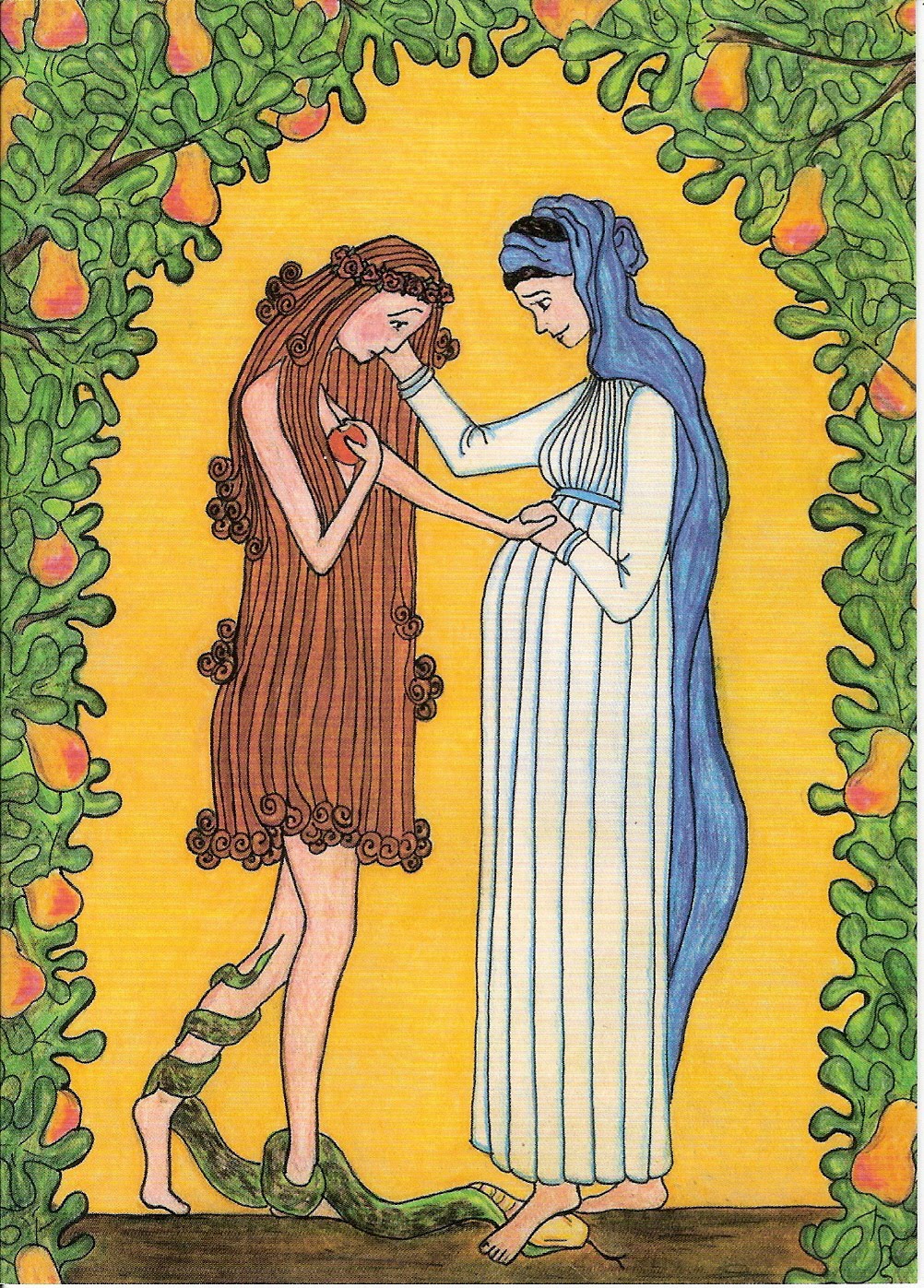 "And I will put enmity????between you and the woman,????and between your offspring?and hers;he will crush?your head,????and you will strike his heel.-Genesis 3:15
Quick Thoughts on Genesis 1 (& the Best Visual Interpretation I've Seen)
How things begin matters. We see God‘s intention for creation from the beginning: an integrated whole, in which all the parts are good and all the parts fit together to give glory to God. The Hebrew word for this is?shalom: peace, wholeness, harmony.![I love this visual interpretation of Genesis 1 [www.minimumbible.com]](http://static1.squarespace.com/static/5d70f59aefca59000162e4e6/5d7fcef39f682762992c8aca/5d7fceff9f682762992c8c25/1568657151354/6837951_1615284_lz.jpg?format=original)
The Song of Creation
One other quick thought on Genesis 1. The author talks of days and nights from the very beginning, but the sun and the moon aren‘t created until the fourth day. Ancient peoples were more connected to sun and moon than we are, now that we have electricity and night doesn‘t mean dark. Ancient peoples certainly knew that the sun and the moon are required for there to be days? and nights.Here‘s the point: Genesis 1 is a beautiful theological treatise on creation, and for me, I don‘t see it contradicting physics and cosmology; I see physics and cosmology providing the fine details and Genesis 1 the broad strokes.
P.S. The Best Visual Interpretation of the Bible I've Ever Seen
I've written previously about Darren Aronofsky's?Noah?and shared some of my reservations about the final 15 disappointing minutes of the movie. But this scene in which Noah retells the Genesis story of Creation and Fall is the best visual interpretation of scripture I've ever seen (although the image from The Minimum Bible project I included above is pretty good, too):[embed]https://www.youtube.com/watch?v=FFCXHr8aKDk[/embed]
P.P.S. Join Us!
Folks in my church are reading through Genesis as part of our 2015 Bible?reading plan. We'd love to have you join us and make it a part of your #First15.
My One Word for 2015
Resolutions don't work. Rather than focusing on a list of specific ways we want to live differently each year, I wrote last year about a better alternative: focusing and living into a one word theme for the new year.!["San Giorgio Maggiore at Dawn" [1819] by J.M.W. Turner [Wikimedia Commons]](http://static1.squarespace.com/static/5d70f59aefca59000162e4e6/5d7fcef39f682762992c8aca/5d7fcefe9f682762992c8c1f/1568657150927/Joseph_Mallord_William_Turner_-_San_Giorgio_Maggiore_at_Dawn_-_WGA23170.jpg?format=original)
The Most Important Thing I Did in 2014
The single most important thing I did in 2014 was make a habit of getting up early for prayer and exercise. As I've written?previously, that habit was a keystone habit that affected every area of my life last year.Overall, I did better in the first seven months of the year than I did in the final five months, when I found myself busier than I'd ever been in my life. Rather than redoubling my efforts towards my early habit when I needed it most, I let it slide, and therefore so did my prayer life, physical fitness, and sermon quality. (No kidding--I think my early habit helps me be a much more effective preacher.)So, I'm keeping the same word for 2015 as I had for 2014.
My One Word for 2015
My one word for 2015 is?early.I want to:
- wake up early
- pray early
- workout early
- finish tasks early
- get to appointments early
- finish my sermon early (this would be life-changing!)
- get to bed early
What about you? Why? Leave comments below.
P.S. A Note to My Dear Readers
Dear reader, today is our one year anniversary. I've enjoyed writing for this blog, and though I've been doing it infrequently, I'm interested in writing more regularly in 2015.If?you haven't yet done so, why not sign up to receive updates from me? I promise to only rarely share your info with Russian spammers. (Just kidding--I'll sell it to the highest bidder, regardless of nationality.)You can sign up at the top right of this page.
A Christmas Hymn
A poem for you and yours. Merry Christmas.!["Census at Bethlehem," by Pieter Bruegel [1566]](http://static1.squarespace.com/static/5d70f59aefca59000162e4e6/5d7fcef39f682762992c8aca/5d7fcefe9f682762992c8c1c/1568657150715/census-at-bethlehem-1566.jpg?format=original)
A Christmas Hymn
by Richard Wilbur A stable-lamp is lightedWhose glow shall wake the sky;The stars shall bend their voices,And every stone shall cry.And every stone shall cry,And straw like gold shall shine;A barn shall harbor heaven,A stall become a shrine. This child through David‘s cityShall ride in triumph by;The palm shall strew its branches,And every stone shall cry.And every stone shall cry,Though heavy, dull, and dumb,And lie within the roadwayTo pave his kingdom come. Yet he shall be forsaken,And yielded up to die;The sky shall groan and darken,And every stone shall cry.And every stone shall cryFor stony hearts of men:God‘s blood upon the spearhead,God‘s love refused again. But now, as at the ending,The low is lifted high;The stars shall bend their voices,And every stone shall cry.And every stone shall cryIn praises of the childBy whose descent among usThe worlds are reconciled.